
Affluent Florida communities are trying to block Live Local housing. That has to stop | Opinion
When a bipartisan coalition of legislators passed Florida’s Live Local Act in 2023, the law was heralded as a model for addressing housing affordability nationwide. The act incentivizes the development of affordable and workforce apartments by easing zoning restrictions, streamlining the public approval process and granting tax benefits to property owners that build apartments and commit to keeping rents low over time.
In 2 1/2 years since the law was passed, more than 3,000 new housing units have been built across the state, according to Florida Tax Watch. Thousands of additional units are in the development pipeline.
While this is a promising start, some affluent communities have been reluctant to embrace the law, instead throwing up roadblocks designed to delay Live Local Act developments — or rejecting them altogether.
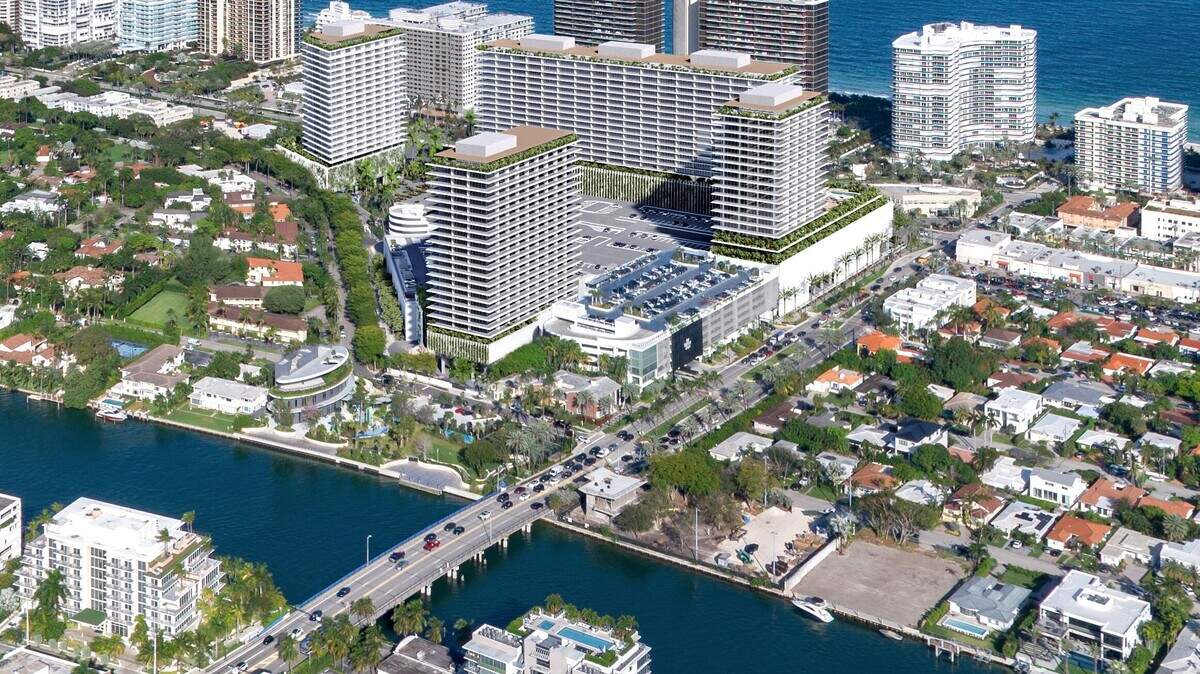
In the village of Bal Harbour, where my family has owned and operated Bal Harbour Shops for 60 years, local officials have outright denied our firm’s proposal to develop hundreds of workforce and market-rate housing units alongside existing retail space and a new hotel.
These apartments would cater to first responders, teachers and municipal employees as well as service, retail and hospitality workers — the very people who form the backbone of our local economy. These would-be residents are priced out of the neighborhood, forcing many of them to commute hours to and from work each day.
If local officials were serious about easing this burden, they would be welcoming our plans with open arms. Bal Harbour Shops is the only commercial property within the village suitable for a Live Local Act development, and we have proposed building heights at or below those of surrounding structures.
Our plans — submitted for approval more than 18 months ago and now mired in costly litigation — have been rejected by elected leaders and anti-development residents who would rather preserve the status quo than be part of the solution for Florida’s deepening housing crunch.
Florida has only 24 affordable rental units for every 100 extremely low-income renters (those earning wages at or below 30% of the Area Median Income), according to a 2025 report from the Florida Housing Coalition. In Miami alone, there is a shortage of more than 120,000 affordable housing units, according to Miami Homes for All.
Rising living costs are compounding the problem: A survey by the University of Florida Shimberg Center for Housing Studies found that average rents in the state rose by 39% from 2019 to 2024, contributing to a 28% spike in homelessness among families.
The Live Local Act was passed as a remedy for a real estate market struggling with rising land and construction costs, a growing population and a gauntlet of regulations at the municipal level which too often deterred new housing development. Instead, opponents in wealthy enclaves have stigmatized and misrepresented the law to bolster their own anti-development narratives.
Our experience in South Florida is not unique. Affluent communities from California to Connecticut are going to great lengths to derail the development of new housing. Meanwhile, seven million more affordable homes must be built to meet present-day housing demand across the country. This shortage is taking an economic toll, costing the U.S. economy $2 trillion each year in lower wages and reduced productivity.
If Florida is serious about confronting the affordability crisis, sustaining growth and improving quality of life for future generations, then our state government must treat housing policy reform as a critical priority and hold obstinate communities accountable for their inaction. This enforcement should include the Legislature empowering the attorney general to pursue litigation against communities that act in contravention of the law, and removing the cap on attorneys’ fees that can be recouped by property owners left with no choice but to pursue litigation.
Matthew Whitman Lazenby is the president and CEO of Whitman Family Development, owner of Bal Harbour Shops in Bal Harbour.