When ‘drug boat’ justice meant asking questions, not missile strikes | Opinion
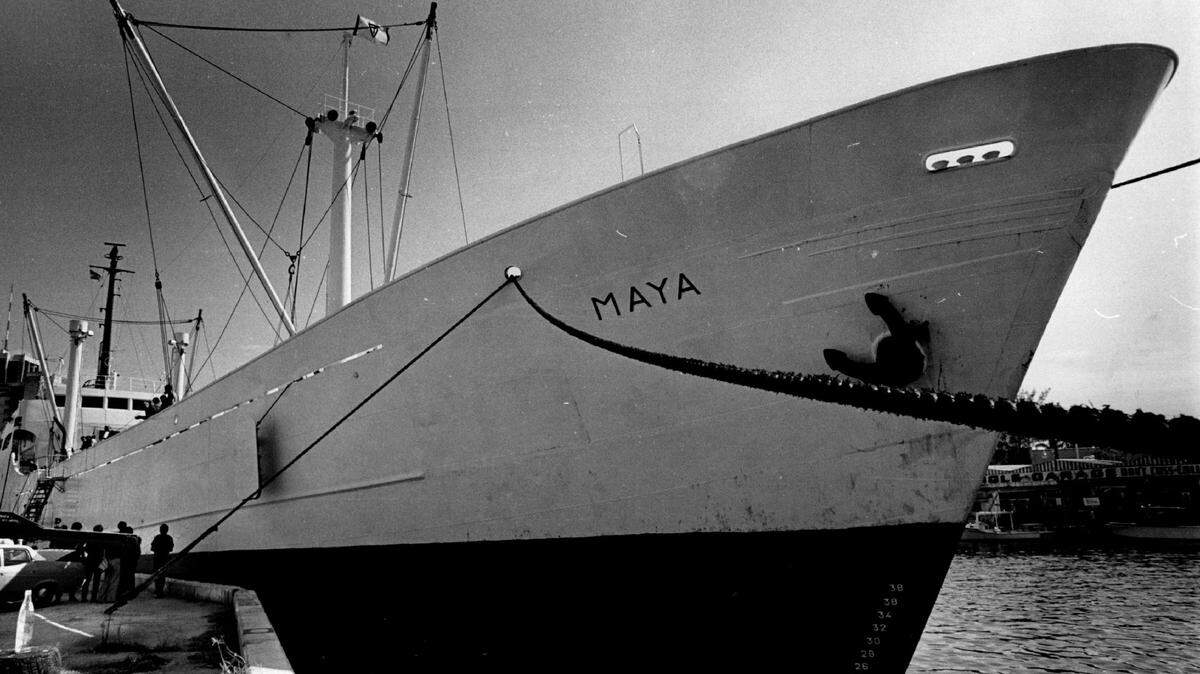
As a 25-year-old rookie federal prosecutor in 1986 in Miami, I cut my teeth on what were commonly known as “boat cases.”
They were prosecutions of individuals, mostly from South America, intercepted on board vessels loaded with cocaine and marijuana.
It was the heyday of Miami Vice, and we were the undisputed epicenter of the drug trade. So, a few times a week or more in South Florida, boats of all sizes were interdicted, sometimes with hundreds or thousands of kilograms of cocaine or tons of marijuana.
The arrested defendants in each case usually numbered anywhere from three to more than a dozen. None spoke a word of English, and all were foreign nationals, many of whom had never set foot outside their native countries.
They were appointed experienced Spanish-speaking lawyers, who viewed these low-paying court appointments as a public service — and took them very seriously.
None of the defendants were big-time leaders of the drug trade or even mid-level organizers. There would usually be a boat captain and the rest of the crew, who were called “off-loaders” because their primary job was simply to move the drugs on and off the boat.
They were obviously poor, often farmers or fishermen, and typically paid next to nothing for their effort and risk.
In one case, seven of the eight defendants I prosecuted — the off-loaders — were paid $50 each for the trip. They were almost always unarmed.
Now and again we would find out, or some defendants would claim, that they were unpaid and participating because family members were being threatened or kidnapped by a drug cartel. Other times we would be unable to charge someone because they were not part of the crew but rather a passenger looking to enter the country.
If convicted — and most were — the sentences were incredibly high because, at the time, the statutes prohibiting drug smuggling were tied to the amount of drugs being transported rather than the role of the defendant in the criminal organization.
So, paradoxically, even though they were the very lowest rung in the criminal hierarchy, judges had no discretion, and their mandatory sentences were astronomical, often life without parole.
Once, an obviously frustrated federal judge took me aside after a sentencing in a boat case and tore into me: “Gelber, tell your bosses that this guy is going to waste in a jail cell for the rest of his life. What possible utility is there in imprisoning this fisherman for 70 years?”
While I took the criticism, I still mustered some level of pride in our effort. Drugs were a scourge, and these defendants enabled the narcotics trade. But I was also proud that they were given good lawyers who spoke their language.
We seriously considered their defenses. Sometimes their juries acquitted them because the government’s proofs were lacking. And they appeared before federal judges who treated them as human beings and guaranteed them the same due process as any other defendant.
Even with its warts, this was the way I believed the American justice system should operate.
As the world watches the Trump administration use the incredible might of our military off Venezuela to summarily execute, through missile strikes, the passengers on each alleged drug boat, I wonder how many of the dead were fishermen getting paid $50 — or folks just hopping a ride.
We will never know the answer to any of these questions because every constitutional right most of us take for granted — and that Americans have fought and died to preserve — fully evaporates in a summary execution.
Would Americans be so accepting if, instead of observing the detached remoteness of a missile from the clouds, we watched our servicemen board the vessels and simply execute everyone on board without asking a single question?
It is, in every way, the same thing.
Dan Gelber was formerly a federal prosecutor in South Florida and currently practices law with Gelber Schachter & Greenberg, P.A. in Miami. He is also the former mayor of Miami Beach.