
Why we need the Miami Loop, a path to connection and transformation | Opinion
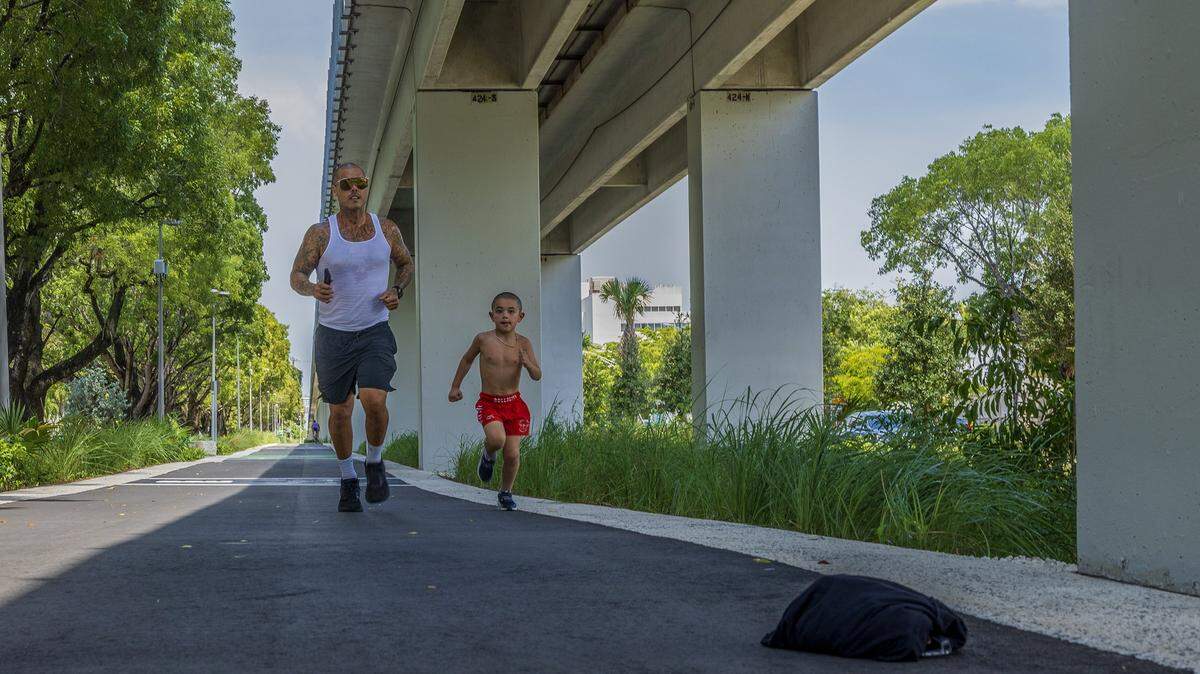
Miami is a city defined by ocean breezes, cultural neighborhoods and the energy of living at the gateway to the Americas. Our next chapter is about connection: trails that link our communities, where families can bike together, seniors can walk safely, and neighbors can enjoy the outdoors in ways that reflect the beauty — and the spirit — of Miami. The Miami Loop is our path to that future.
The Miami Loop is a once-in-a-generation opportunity. At its core, the idea is simple: link existing trails into a seamless, 223-mile network that would allow people to walk or bike safely across Miami-Dade. In practice, it would be transformational in opening safe, affordable transportation choices, reducing congestion and emissions, strengthening our economy and making neighborhoods healthier and more joyful.
And here’s the good news: This isn’t just a dream. More than half of the network is already complete, and nearly 86% of the remaining corridors are on public land.
The pieces already exist — in part — through projects like The Underline, the Ludlam Trail, the Commodore Trail, the Underdeck/Graham Creek Greenway, the Old Cutler Trail and the Baywalk. With coordinated construction, these segments can be connected to link all five districts and extend across South Miami, West Miami, Coral Gables, Key Biscayne and Miami Beach.
Miami sits at the center of this network, and with that privileged position comes the responsibility to lead.
The benefits would ripple across every sector of our community:
Transportation and equity: Nearly 20% of Miamians can’t afford a car. The Loop would give them safe, green, reliable access to jobs, schools and recreation while filling dangerous gaps in our current infrastructure.
Economic growth: Signature trail systems such as New York City’s High Line and Atlanta’s BeltLine have attracted investment, raised property values and boosted local economies. The Loop could do the same here, strengthening tourism and creating new business opportunities along its corridors.
Environment and resilience: By reducing car trips, the Loop will prevent nearly eight million vehicle miles annually. Beyond emissions, it would cool streets, absorb stormwater and build green buffers against extreme heat and rising seas.
Health and wellness: People living within a 10-minute walk of a safe trail are 1 1/2 times more likely to stay active. The Loop would promote healthier, happier communities.
What we need now is leadership and coordination to finish the job. Miami is designating a dedicated coordinator to oversee design, construction and the inevitable challenges that come with projects spanning multiple jurisdictions. We will also engage residents directly through public meetings and community outreach.
Ralph “Rafael” Rosado is a Miami city commissioner. Marí Chael is an architect and urbanist who lives in South Florida.
This story was originally published September 26, 2025 at 3:22 PM.