
When hurricanes hit: Why fortified homes and planning matter in Florida | Opinion
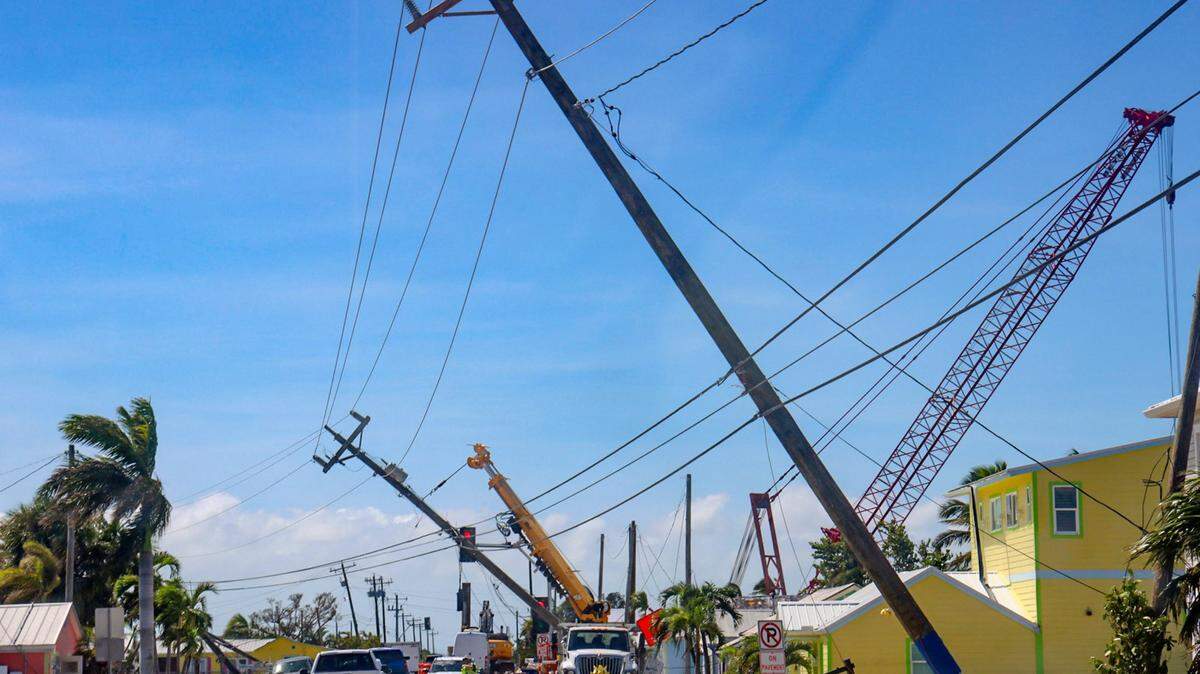
September is National Preparedness Month, and hurricane season is in full swing, running through the end of November.
Predictions from the National Weather Service indicate an above-average season, and no community is immune. Hurricanes can cause devastating inland and coastal flooding, destroy homes, disrupt lives and trigger costly insurance claims. Preparing now isn’t optional — it’s essential.
Homes built or retrofitted to withstand hurricane-force winds and debris experience less damage and fewer insurance claims.
Simple mitigation measures, such as reinforcing roofs, upgrading windows and adding shutters, can be the difference between repairable damage and total loss. Every dollar invested in strengthening a home saves multiple dollars in post-storm repairs.
The Fortified Home program, developed by the Insurance Institute for Business & Home Safety (IBHS), headquartered in Tampa, is a voluntary construction standard designed to strengthen homes against severe weather. Fortified homes consistently suffer less damage and generate fewer insurance claims.
For example, during Hurricane Sally in 2020, Fortified homes in Alabama endured significantly less damage than standard-code homes, with fewer and less severe insurance claims. In Florida, property owners can use the Fortified Home program to strengthen their properties, too, with potential benefits like insurance discounts and better protection against severe weather.
Florida’s My Safe Florida Home program allocates $200 million to offer up to $10,000 in matching grants for wind-mitigation retrofits, including roof upgrades.
While wind and storm surge often grab the headlines, inland flooding is becoming increasingly common — even in areas far from the coast.
Recent hurricanes like Ian in 2022 and Idalia in 2023 caused significant flooding hundreds of miles inland, impacting communities in central and northern Florida. While Miami and South Florida have been spared a direct strike in recent years, these storms underscore the state’s ongoing vulnerability.
Population growth in hurricane-prone states such as Florida and heavier rainfall have made wind and flood damage costlier than ever. Many homeowners assume standard policies cover flood damage — but without separate flood insurance, families face devastating financial setbacks. Reviewing coverage now and ensuring adequate protection for rebuilding costs and living expenses is critical.
Communities that embrace home hardening recover faster, reduce strain on emergency services and limit long-term economic losses. Incentives such as insurance discounts or grants encourage homeowners to take action, making mitigation both practical and affordable.
The U.S. Small Business Administration (SBA) is active nationwide, helping residents, businesses and private nonprofits after a disaster. SBA low-interest federal disaster loans offer up to $2 million for businesses and private nonprofits to repair or replace disaster-damaged property.
Homeowners may apply for up to $500,000 to repair or replace their primary residence and $100,000 for renters to recover personal property loss. There’s no cost to apply, no obligation to accept and no interest accrued for the first 12 months.
Eligible projects may include regrading landscaping for better drainage, installing a French drain or sump pump, and strengthening structures to protect against high wind damage.
Homeowners should review and update their insurance annually to ensure coverage is sufficient. It is important to understand hurricane deductibles, rising construction costs and flood risks, even outside FEMA-designated zones.
Investing in home hardening measures — from roof reinforcements to storm shutters — can help protect property. Keeping emergency supplies and having an evacuation plan ensures readiness for any situation. Encouraging neighbors to do the same builds community-wide resilience.
Hurricane season is unpredictable, but preparation works. Homes that are fortified, insured and strategically mitigated recover faster, families remain secure and entire communities bounce back more quickly.
By planning, taking mitigation measures and leveraging available assistance, we can reduce loss, rebuild smarter and strengthen resilience — because preparedness, for Floridians and for the nation, truly pays.
Sean Kevelighan is CEO of the Insurance Information Institute. Roy E. Wright is president and CEO of the Insurance Institute for Business & Home Safety. James “Chris” Stallings is associate administrator of the U.S. Small Business Administration.