
Miami-Dade must fund mental health center to protect victims, prevent violence | Opinion
On Sept. 9, I drove into the Wendy’s chain near my home to pick up a mobile order. As I waited in line, I noticed a disheveled homeless man panhandling between cars. My chest tightened. Without thinking, I canceled my order, drove away and placed the same order at another Wendy’s two miles away.
That decision wasn’t rational. It was PTSD.
Just minutes earlier, I had been on the phone with LEAP (Ladies Empowerment and Action Program), a South Miami nonprofit that helps women rebuild their lives after prison. I first encountered LEAP years ago as a contracts officer overseeing county-funded organizations. Today, I volunteer with them.
After a break-in that I survived, volunteering with LEAP has become a form of exposure therapy, a reminder that not everyone who serves time in prison is violent or irredeemable. Many people desperately need a second chance.
But in that Wendy’s drive-thru line, all I saw was risk. My body went into survival mode, rerouting me to safety.
Almost a year earlier, on Sept. 22, 2024, I had survived an occupied burglary in my Miami home. A man broke into my house through the living room window and trashed my kitchen while I barricaded myself in my bedroom for 30 minutes until police rescued me.
The suspect was Baker Acted that night and later arrested after five long months of delay.
Even today, ordinary moments — a man on the street, a sound outside my window — can trigger flashbacks.
When I saw the news about Iryna Zarutska, the 23-year-old Ukrainian refugee stabbed to death on a Charlotte train last month, I understood the fury at Charlotte’s city leadership.
Zarutska’s suspected killer, a homeless man with fourteen prior arrests, had untreated mental illness. Video of the attack went viral, and the mayor’s response — focusing almost entirely on his struggles while downplaying his record — sparked national outrage.
For many, it felt like erasing the victim.
Though thousands of miles apart, Charlotte’s tragedy and my Miami case reveal the same dangerous gap: when mental illness intersects with public safety, our systems fail both offenders and victims.
In Charlotte, rhetoric excused a tragedy. In Miami, infrastructure lagged. Both failures left women at risk.
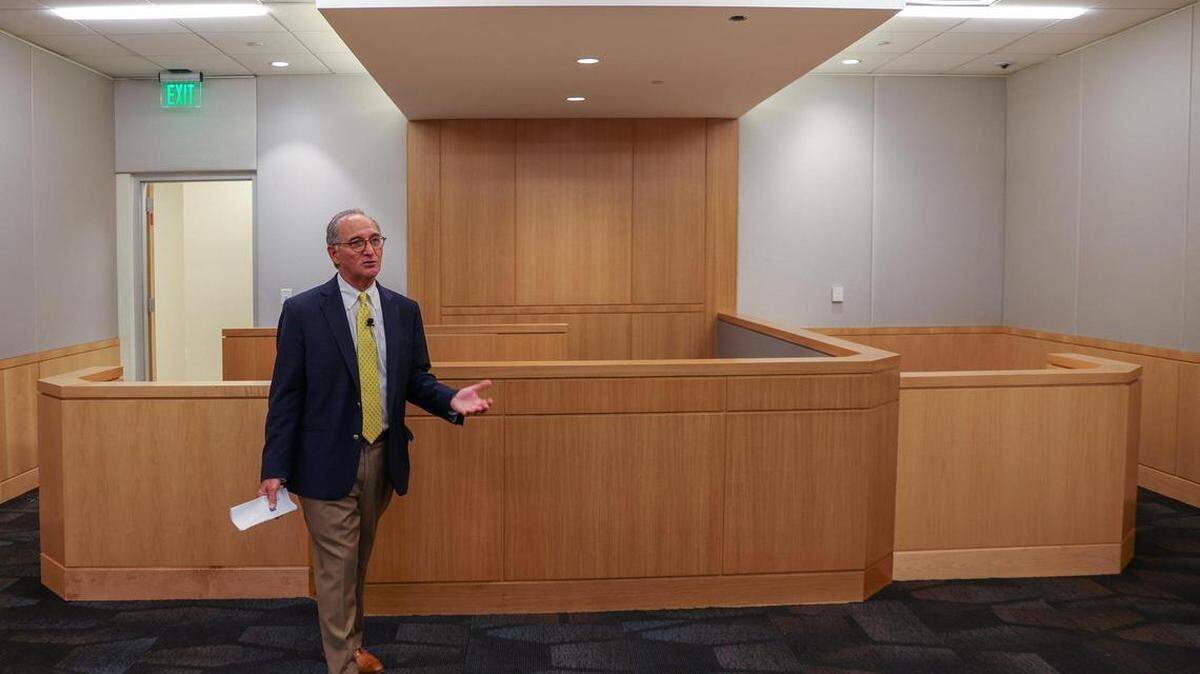
The Miami Center for Mental Health and Recovery is designed to close that gap. Built but not yet fully funded for operations, the center would divert people like my attacker into treatment before they escalate. Instead, he sat untreated until he broke into my home.
Taxpayers now have spent over $67,000 on jail stays for the suspect in my case — money wasted on warehousing instead of healing. Those dollars could have funded trauma counseling, job training or treatment beds.
The choice is not between endless incarceration and excusing repeat violence. The choice is whether to invest in a system that treats mental illness early while keeping accountability intact.
As a survivor, I want both: compassion for those in crisis and justice for those who are harmed. Volunteering with LEAP has shown me that accountability and redemption can coexist. But survivors cannot be asked to shoulder the cost of systemic failure. Miami has the opportunity to model a better way.
Opportunity alone isn’t enough. County leaders must allocate operating funds in full for the center in the FY2025–2026 budget, which will be finalized soon.
We cannot afford another year of delay. Each delay risks another tragedy, another survivor, another community traumatized.
Every time I reroute my car out of fear, I am reminded that the center still isn’t open. For Miami-Dade, the decision on the center will determine whether we keep repeating the same cycle or finally fund a model that prevents it.
Melissa Saldaña is a government accountant, former vice-chair of the Miami-Dade Hispanic Affairs Advisory Board, former Miami-Dade County Homeless Trust board member and a Miami resident.