
Why teaching civics now comes with fear — in Florida and nationwide | Opinion
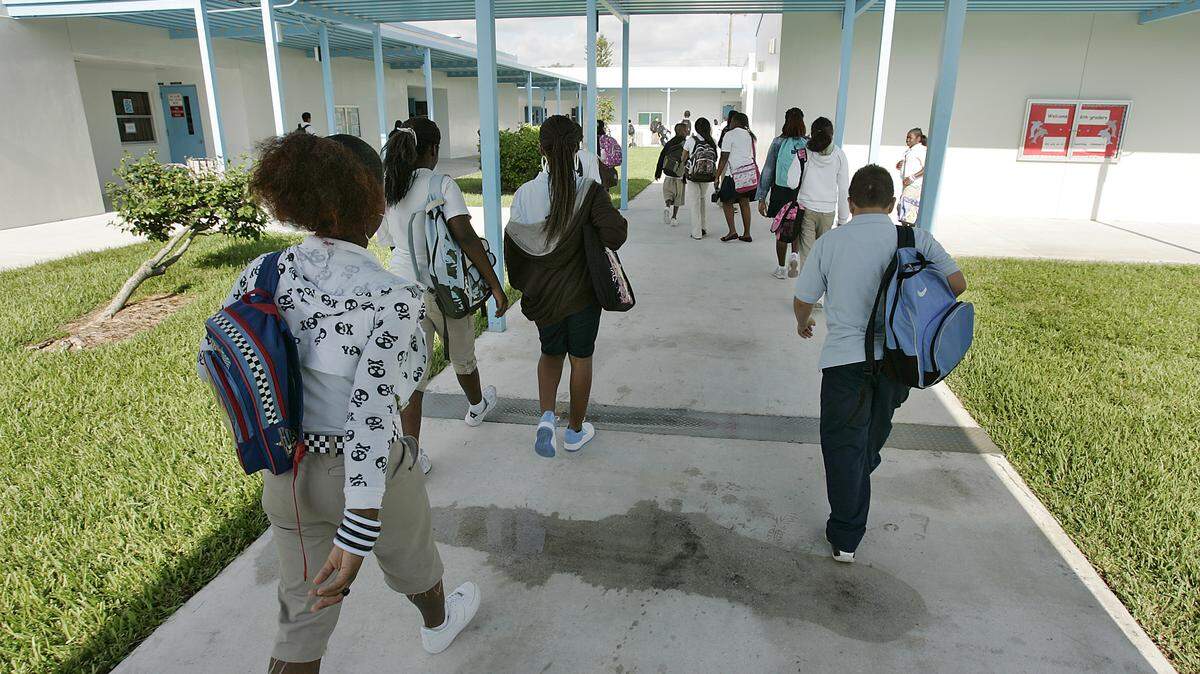
As school resumes across Florida and the United States approaches its 250th anniversary, there’s growing recognition that something essential is missing in too many civics classrooms: space for young people to learn and practice what it really means to live in a free, self-governing society. Civics teachers know this. They see the importance of helping students understand the Constitution, engage with current events and participate thoughtfully in civic life.
But according to a new national report from the Sandra Day O’Connor Institute, they’re often trying to teach in an atmosphere of caution and fear.
Nearly 80% of civics teachers say they’ve self-censored classroom content. Almost 86% cite fear of controversy as a major barrier to teaching the subject at all. This isn’t about teachers unwilling to do their jobs. It’s a systemwide problem — one of inadequate preparation, unclear guidance and too little institutional support.
Some teachers in our survey said they avoid mentioning current events. Others skip foundational topics like federalism or individual rights, wary that even neutral presentations might provoke backlash. In such cases, students lose out. They’re denied the opportunity to explore the real debates and ideas that animate civic life.
In a state as dynamic and diverse as Florida, that loss is especially concerning. From urban centers like Miami and Orlando to rural and coastal communities, civics classrooms are among the few places where students from different backgrounds encounter and wrestle with perspectives unlike their own.
When we fail to support the teachers who responsibly guide those conversations, we squander a rare opportunity to build civic understanding across difference. A major part of the problem is teacher training. A 2021 national analysis found that more than one in four U.S. social studies teachers received no formal instruction in how to teach civics.
In our survey, fewer than 15% of civics teachers said their districts provided clear, helpful guidance on what could be taught. The rest described the guidance as vague, nonexistent, or even discouraging.
One teacher in our survey said she had to “tiptoe” around core constitutional ideas. Another reported being “hyper aware of how parents may respond to what students come home and say.” That’s not a recipe for rigorous instruction. It’s a recipe for silence. And yet, despite these challenges, many civics teachers are still finding ways to lead meaningful conversations. They’re grounding their lessons in founding documents, modeling civil dialogue, and helping students grapple with hard questions. These successes matter. They should be supported, scaled and celebrated. That will require work. Civics-specific preparation should be a greater focus of teacher training programs in states like Florida. Districts should offer professional development that helps educators guide thoughtful discussion, handle disagreement constructively and teach the principles and tensions of our constitutional system with clarity and confidence.
And schools should make it clear that when teachers lead those conversations responsibly, they’ll be supported. Young people aren’t disengaged because they’re uninterested. They’re disengaged in part because we too often treat civics as abstract or off-limits. That’s a mistake. When students are given the space to wrestle with ideas, test their reasoning, and see themselves as civic actors, they rise to the challenge. The 250th anniversary of the U.S. is a reminder that if we want tomorrow’s citizens to protect and improve our system of government, we have to give them the tools to understand it today. That work starts by supporting civics educators.
Liam Julian is vice president of programs and public policy at the Sandra Day O’Connor Institute in Phoenix, Arizona.
CLARIFICATION: This opinion piece was originally published with a paragraph inserted in the editing process describing Florida’s civic public education guidelines, which include the teaching of communism beginning next school year. The paragraph was not part of the author’s original, submitted piece and has been removed.

This story was originally published September 10, 2025 at 8:40 AM.