
Aileen Marty: Hurricanes, germs and shared responsibility: This is why vaccines matter | Opinion
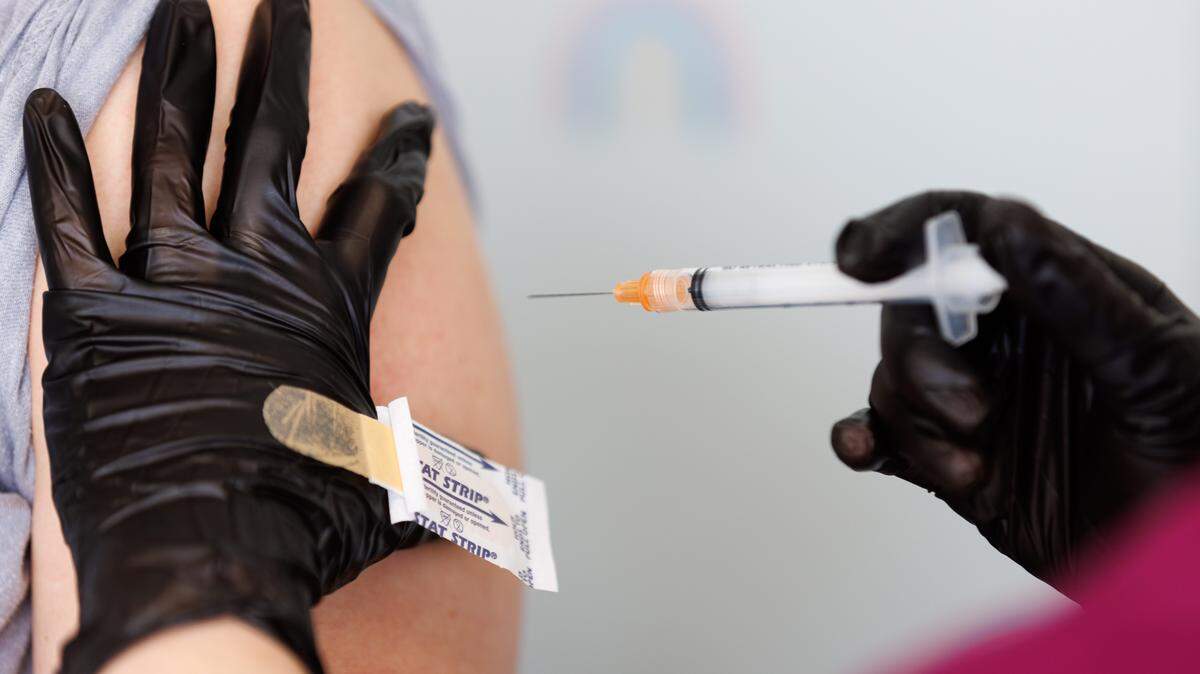
Editor’s note: Florida intends to end all mandates requiring vaccines for children and adults, Gov. Ron DeSantis and Surgeon General Joseph Ladapo said this week. Florida would be the first state to take such action.
In late summer, as meteorologists track the next hurricane on satellites and radar, public health officials are glued to genetic dashboards, watching for new viral and bacterial variants and monitoring outbreaks.
In both cases, familiar doubts arise: “Why should I prepare if the storm — or the germ — might miss me?”
Here’s the answer: Infectious disease outbreaks are as inevitable as hurricanes are in coastal states. Both are recurring threats that probe not only our individual choices but also our collective resilience — and, crucially, the foresight of public policy.
Storms, like germs, obey the laws of nature. That’s why vaccines matter. In our bodies, they act like reinforced windows, trimmed trees, sandbags stacked before high tide.
And just as one unsecured lawn chair in a hurricane can become a missile that smashes a neighbor’s window, one infected child in an undervaccinated classroom can ignite an outbreak that travels far beyond any family or school.
Meteorologists cannot say exactly which street, school or neighborhood will be struck, but they can say with confidence that hurricanes will hit people every season.
The same is true for infectious diseases. Global travel, antimicrobial resistance and microbial evolution mean that tomorrow’s “big one” could make landfall in your county — or in your child’s classroom. Declining vaccine coverage virtually guarantees it.
A virus such as measles is relentless: It moves from host to host, cell to cell, devastating bone marrow stem cells as it exploits any unprotected “window.”
When there is a high threshold of vaccinated people, communities are shielded. But when coverage drops, the “storm” finds an entry point. This is not theoretical: Measles outbreaks have already flared in U.S schools wherever immunization requirements are loosened.
Vaccines work by training the immune system. A childhood dose of DTaP (diphtheria-tetanus-acellular pertussis vaccine) is like installing hurricane shutters that stay strong for years.
Vaccination and hurricane preparedness offer an underappreciated benefit. They’re a communal safety net, like a levee or a well-run evacuation plan.
They guard neighbors, classmates, immunocompromised relatives, infants not yet eligible for shots and the elderly whose defenses have faded. That’s the principle of herd immunity. That is why communities with high vaccine coverage consistently experience far fewer cases and less disruption during outbreaks.
In 2024-2025, measles outbreaks swept through schools in states like Texas, New Mexico and New Jersey after coverage dipped below 93% (versus the 95% needed for herd immunity).
Math is a critical factor here — and a favorite of both biologists and actuaries. Severe vaccine reactions remain vanishingly rare, affecting about one in a million. Meanwhile, just one measles outbreak can hospitalize one in five patients, sometimes with lifelong complications, and some die.
Every $1 invested in vaccination returns $5 to $250 in prevented treatment costs, lost income and avoided school shutdowns, depending on the disease. Hurricane preparation follows the same logic: $1 spent on prevention and infrastructure saves $7 to $20 in costs and disruptions.
Florida knows hurricanes — how they take down the unprepared and how small actions, multiplied, form a shield for the entire community. The same is true for vaccines. In a kind and civil society, we know that personal choice ends where shared risk begins — during hurricanes or outbreaks.
Decades of use have proven that vaccines are safe and effective — they are quiet, unglamorous and powerful. That’s why skipping vaccines is no different from skipping hurricane preparedness: Germs, like storms, find weak spots.
Most citizens — across the political spectrum — support school vaccine requirements. They know that smart preparation saves lives. Preparedness at the individual, neighborhood and national level pays off in safety, health and shared prosperity.
If you love your family, your neighbors and your favorite grocery clerk, do your part: Keep the yard clear, reinforce your windows and get those shots.
Storms and germs may be inevitable, but disaster isn’t.
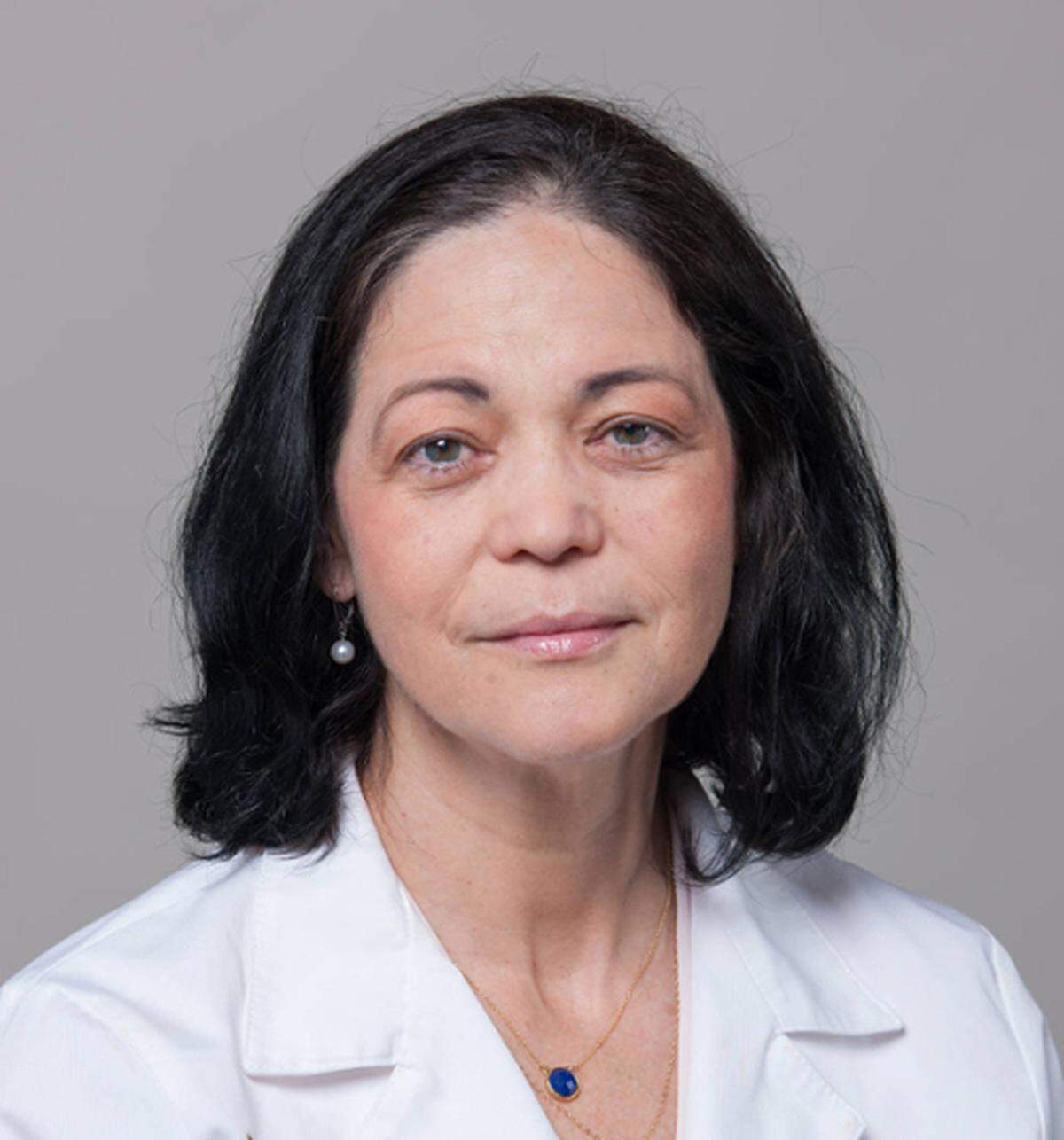
Aileen Marty, M.D., is an expert in infectious disease and disaster medicine. She has responded to outbreaks worldwide including Ebola, Zika and COVID-19, and serves as a public health advisor for South Florida.
This story was originally published September 5, 2025 at 4:08 PM.