Are Florida lawmakers ignoring public demand for Medical Aid in Dying? | Opinion
In a democracy, overwhelming public support should matter — especially on issues as personal and profound as how we die.
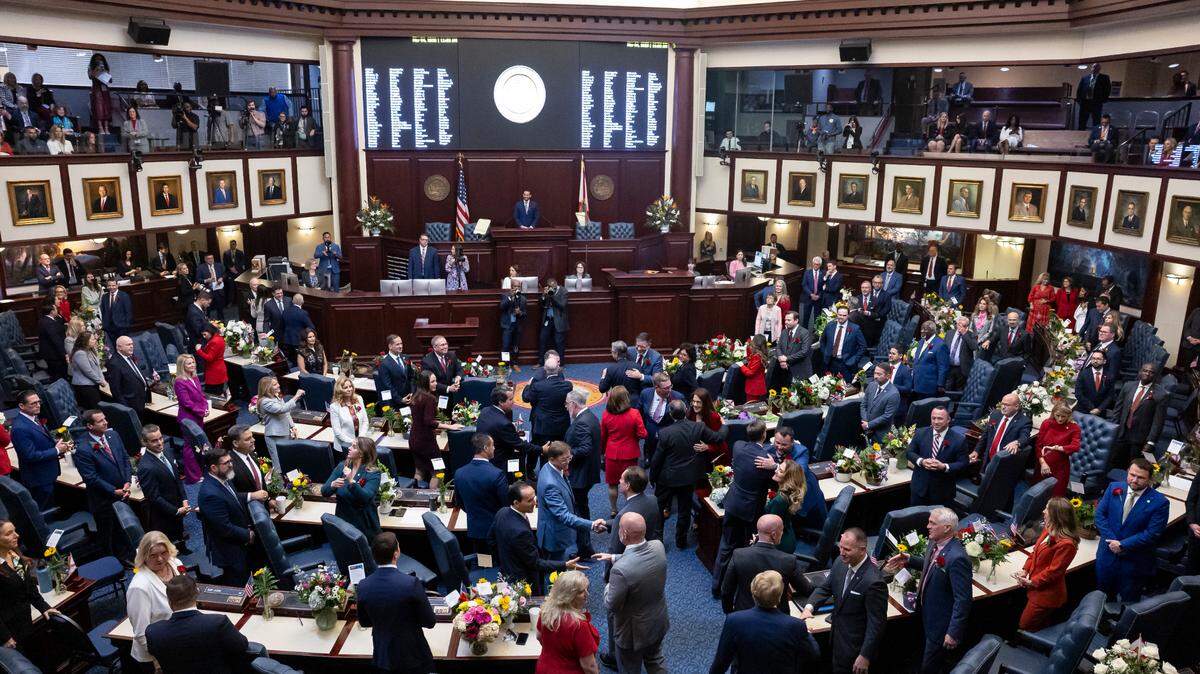
Yet, despite years of national polling showing majority support for Medical Aid in Dying (MAID), Florida lawmakers have yet to discuss the legislation that has been filed for the past three years.
A new July 2025 poll from the University of North Florida’s Public Opinion Research Lab surveyed 797 active Florida registered Republicans on this issue.
The findings are unequivocal: 65% support a bill that would allow terminally ill, mentally capable adults with less than six months to live, and who are able to self-administer the medication, to request a prescription to end their life peacefully. Some 31% opposed it, with the rest undecided.
Even more compelling: 66% said a legislator’s stance on MAID is important to them when voting.
These numbers are consistent with years of polling — nationally and in individual states. When all political affiliations are included, support for MAID rises into the 70% range. The public is not confused. They want a compassionate, regulated end-of-life option.
So why is the Florida Legislature not listening?
The proposed law — the Florida End of Life Options Act — has been introduced in the last two sessions but has received little consideration. This session, the bill, sponsored by Palm Beach Democrat Lori Berman, died in the Judiciary Committee in June.
Some lawmakers claim their constituents don’t want this. That is demonstrably false.
Since Oregon passed the first MAID law in 1997, now with a total of 11 states plus Washington D.C., the laws have proven to work exactly as intended — safeguarded, voluntary and compassionate.
Still, several myths persist:
- Myth 1: It’s a slippery slope. Reality: In states where MAID is legal, fewer than 1% of total annual deaths involve use of the law. Most states see numbers closer to 0.5%. The law applies only to terminally ill adults who meet strict medical criteria. Neither age nor disability alone qualifies a patient.
- Myth 2: It’s suicide. Reality: MAID is not suicide. People seeking MAID are not mentally ill or giving up —they are dying. They are simply seeking to avoid needless suffering in their final days.
- Myth 3: It’s euthanasia. Reality: MAID requires that the patient self-administer the medication. Doctors do not administer it. This is fundamentally different from euthanasia.
Behind every statistic is a story of someone forced to die without respect to their beliefs and values.
Dee Gorzyski, from the Tampa area, spent her final days in a hospice facility in agony after a long battle with breast cancer. Her daughter, Debbie, recalls her mother screaming in pain for days, begging her or the hospice nurses to end her suffering. That trauma is now her lasting memory.
Rita Mannenbach, a retired teacher from The Villages, chose to leave Florida to die in Vermont. After a lifetime of service — including volunteering in hospice — Mannenbach couldn’t access MAID in her home state. She spent her last three weeks navigating Vermont’s legal requirements instead of resting at home. “She had the opportunity to pass in the way that was important to her — pain-free, fearlessly, surrounded by family,” said her son. But it should have happened in Florida.
How many more families must go through this before lawmakers act?
Medical Aid in Dying is not a partisan issue. It’s a deeply human one. The safeguards are clear, the demand is consistent and the precedent is decades long. Voters care — two-thirds of active registered Florida Republican voters say this issue influences their support for legislators.
The Legislature’s refusal to even discuss this bill is not just a policy failure — it’s a failure of compassion. It’s time to pass the Florida End of Life Options Act.
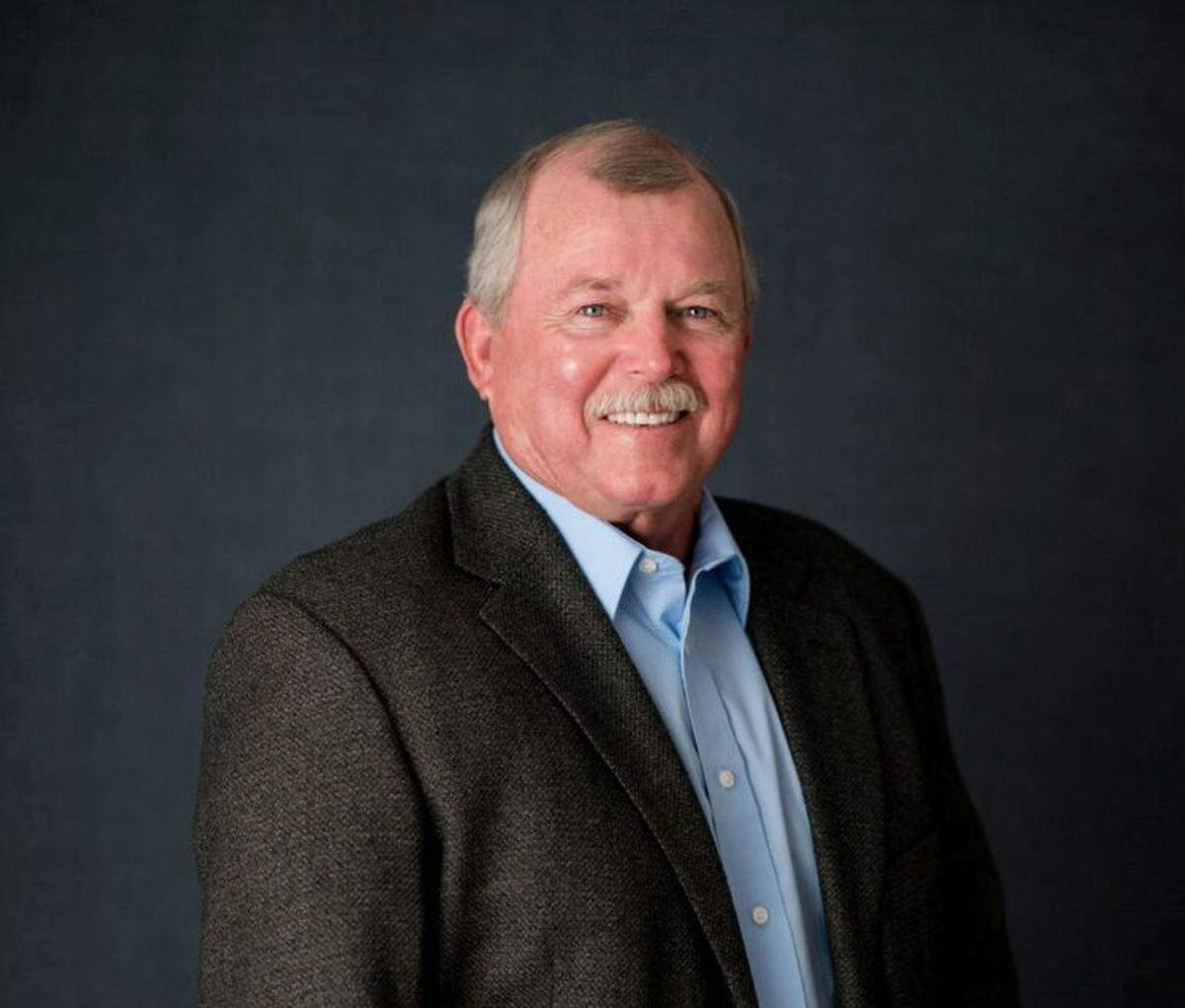
Tony Ray is the founder of Florida End of Life Options is based in Melbourne Beach.