
Would PBS produce ‘¿Qué pasa, U.S.A.? ’ today? Its writer doubts it | Opinion
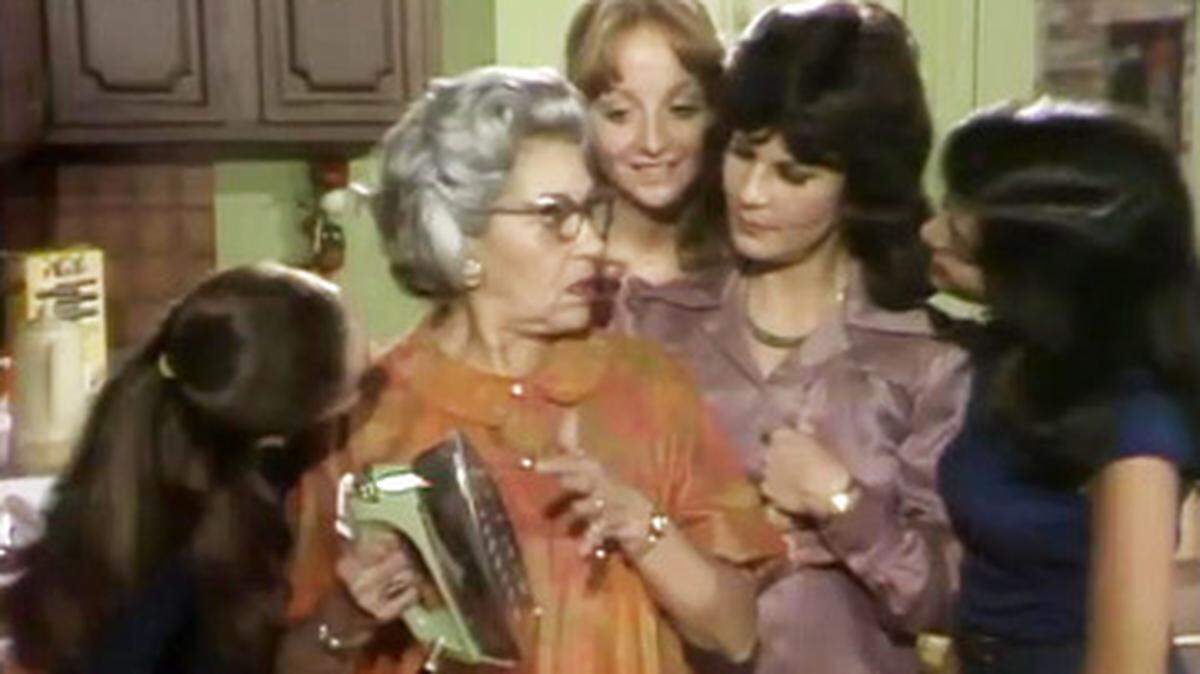
I had the good fortune to be head writer for “¿Qué pasa, U.S.A.?,” a show that in two years will celebrate its 50th anniversary.
This is a show that has become beloved by the Cuban exile community, among others. It was produced at the WPBT South Florida PBS station and aired nationally at other stations of that network.
For those unfamiliar, “¿Qué pasa, U.S.A.?” was the first bilingual sitcom in the history of American television.
It followed the Peña family, Cuban exiles in Miami, as they navigated the generational and cultural clashes between grandparents who spoke only Spanish, parents who straddled two worlds and Cuban-American children who spoke mostly English.
The show’s humor came from the tensions, but its heart came from its portrayal of love, family and the immigrant struggle. It became a mirror of Miami’s Cuban-American experience and remains a cherished classic.
Now, the recent cancellation of funding for PBS has moved me to point out a couple of things.
The prevailing reason for this cancellation seems to be the opinion that the network has leftist leanings, or viewpoints that are unwelcome these days. Some have gone so far as to label it socialist.
I was also very fortunate to work for “Sesame Workshop,” which has from its inception been tied to PBS, for 40 years. During that whole time, I didn’t encounter anyone there with any agenda other than to educate children and do the best we could to improve the lives of fellow humans.
These were talented, committed, hard-working people that I am so proud to have had as colleagues.
Diversity, equity and Inclusion (DEI) have become toxic words. I will admit that if including children of diverse races and backgrounds in the show, or children with disabilities, is part of a “woke” leftist agenda, then, yes, we were definitely guilty of it.
To make that infraction even worse, we also taught empathy, tolerance and appreciation for differences — values that seem to have fallen from grace, too.
Now, you might say that “Sesame Street” is just one of many shows on PBS.
But when someone recently told me they resented being forced to contribute with their taxes for programming that did not express their values, I asked them to specify which shows they found so objectionable.
Was it “Antiques Roadshow, “ “Masterpiece Theatre,” “Live from the Met,” “This Old House,” “Nova,” “Nature,” “Finding Your Roots “ or perhaps “Carl the Collector”?”
By the way, I’d also like to point out that the average cost of PBS and CPB (the Corporation for Public Broadcasting) for each American is — or was — a whopping $1.60.
Given the present demonization of D.E.I., many might be surprised, perhaps even shocked, to hear that “¿Qué pasa, U.S.A.?” was a DEI project.
It was funded by the Office of Health & Education as one of various television project grants given to minority groups around the country. The show premiered in 1977, ran for four seasons and is still considered a landmark in American television for giving immigrant families a voice in mainstream media.
But under the present atmosphere, ”¿Qué pasa, U.S.A.?” would have never existed.
Luis Santeiro was a head writer on “¿Qué pasa, U.S.A.?”
This story was originally published August 22, 2025 at 6:34 AM.