
Ron Magill: I strongly disagree with Florida’s black bear hunt | Opinion
Hunting plays an important role in maintaining healthy populations of wildlife. Though I am not a hunter, I understand the value hunters bring to conservation and that most hunters are among the best conservationists I know.
Were it not for hunters and the economic engine they provide through licenses, duck stamps and the outdoor industry, we would not have many of the beautiful natural areas in our country today.
Last week, for the first time since 2015, the Florida Fish and Wildlife Conservation Commission voted 5-0 to approve rules to allow a 28-day black bear hunt in December in four zones in the state. FWC will issue 178 permits. Permits will be distributed through a random drawing.
I have no issue with an ethical hunter who stocks a freezer with meat for consumption.
Sadly, humans have eliminated many of the natural predators that historically roamed the nation. From mountain lions to wolves, these predators kept prey populations such as deer and wild hogs in healthy balance. Without that balance, some populations have exploded, causing habitat degradation through overgrazing and rooting, and in some cases, spreading disease and starvation.
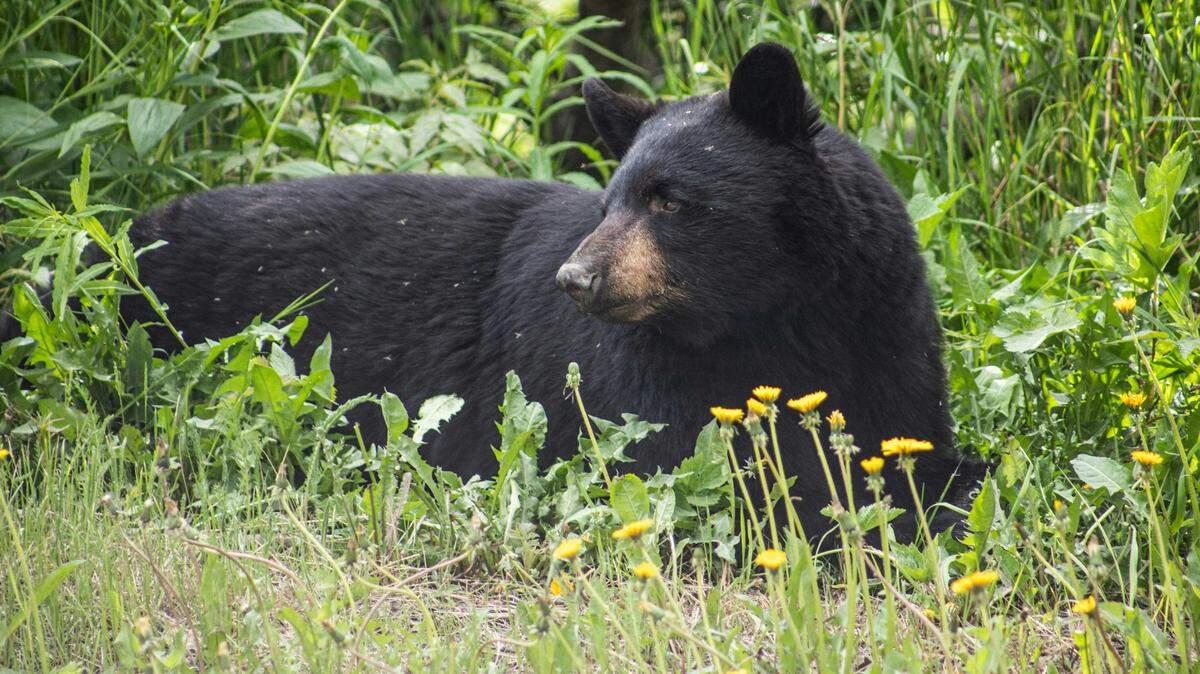
With that said, I strongly disagree with the approval of a black bear hunt in Florida. I have seen no data indicating there are more bears than the environment can support or that they pose a significant threat to humans.
Yes, the population has increased since the bears were listed as threatened in the 1970s. That is not a mandate to begin killing them.
In fact, bears need connectivity between isolated populations to ensure genetic diversity and avoid setbacks of inbreeding. A hunt will likely harm their ability to establish that connectivity.
Since the FWC’s approval, the Central Florida-based conservation group Bear Warriors United has filed a lawsuit trying to stop the planned black bear hunt.
Florida black bears are among the least aggressive bears and pose little threat to humans when left alone. They are opportunistic feeders with an incredible sense of smell. They will actively seek out open garbage cans and pet food left outside overnight.
To avoid encounters, we need to learn to live with bears by securing garbage and not leaving pet food unattended.
As development continues, there will be more encounters with bears wandering into areas that have displaced their natural habitat. When encountering a black bear in the wild, the correct response is to put your arms up to look larger while speaking firmly. Never turn your back or run. From experience, I can say the bear will likely turn away and avoid contact.
Unlike deer, hogs, ducks and turkeys and bears are generally not eaten. Exceptions exist for Indigenous cultures where bear meat is part of tradition.
However, more often than not, killing a bear is not for food but as a trophy hunt.
I cannot support killing any animal simply to collect a trophy that feeds nothing but ego.
Ron Magill is ZooMiami’s communications director and a well-known animal welfare activist.
This story was originally published August 18, 2025 at 2:52 PM.