Arts are the blueprint for building stronger, thriving cities, like Miami | Opinion
Six months ago, when I stepped into my role as vice president for arts at Knight Foundation, I relocated to Miami, a city whose creative heartbeat is unlike anywhere else in the country.
Since then, I’ve met with artists, cultural leaders and civic partners from across South Florida, and the message is clear: The arts here are not a luxury. They’re essential to Miami’s economic strength, civic identity and global appeal.
After two decades of working across the arts in the public and nonprofit sectors, I can say this with conviction: Cities that invest in the arts, especially cities as diverse and fast-growing as Miami, are the ones that thrive.
They’re the places where neighborhoods are vibrant and walkable, where Cuban, Haitian, Caribbean and Latin American histories are honored and where public spaces are intentionally activated through the arts, infused with music, murals and performance that invite connection, spark creativity and bring communities together.
Miami is living proof. From Little Havana to Little Haiti to Overtown to Coconut Grove and Wynwood, our creative communities don’t just entertain, they drive the economy.
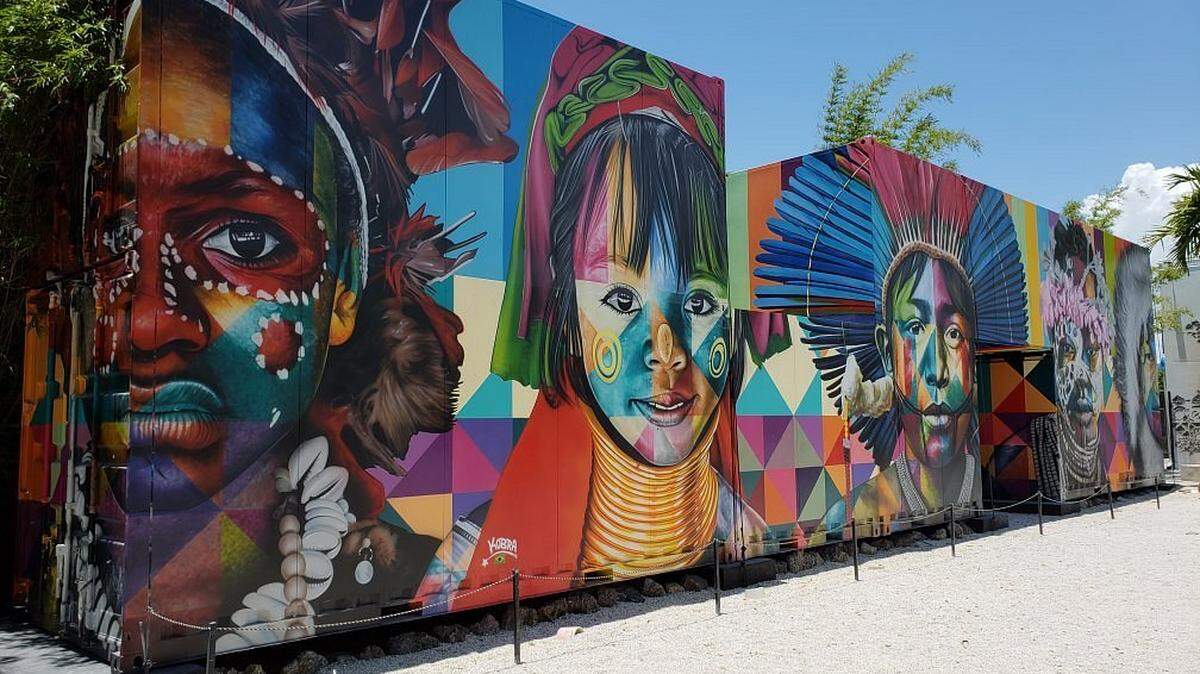
We’ve seen it already: Art Basel on Miami Beach drawing the world’s eyes (and wallets) to our shores annually, organizations working to preserve Overtown’s music history while fostering growth, Wynwood’s murals and galleries fueling year-round tourism and small business development. These aren’t just nice-to-haves. They’re economic engines and social glue.
Cultural workers aren’t just visual artists, performers or filmmakers. They’re educators, small business owners, designers, historians and neighborhood anchors. In city after city, they’re helping to power local economies, reimagine public space and strengthen civic identity.
The arts create spaces where people can gather, question, celebrate, mourn and imagine together. They make room for complexity. They invite belonging. And they help us see each other more fully.
In a time of deepening division and social fragmentation, the arts offer one of the few arenas where empathy can still thrive.
Cities that harness their creative communities as engines of inclusion, innovation and civic connection are not just investing in beauty, they’re investing in belonging. They’re building the kinds of cities that people want to live in, work in and contribute to.
I’ve seen it firsthand in places like Charlotte, where artists are partnering with local leaders to reimagine public life; in Akron, where culture is playing a vital role in downtown revitalization; and in Miami, where a globally connected arts ecosystem creates opportunities for both emerging and established artists while drawing visitors from around the world.
When cities place arts and culture at the heart of community development, they unlock pathways to vibrant and sustained growth.
According to the U.S. Bureau of Economic Analysis, for every $1 invested in the arts, the economy gains up to $5 in return through job creation, tourism and local spending.
Time and time again, cities that place culture at the heart of their revitalization efforts have demonstrated that the arts are not just reflective of transformation, but catalytic in driving it.
- Embed the arts in cross-sector planning, ensuring artists and cultural voices are part of the conversation in housing, transit, climate and economic policy
- Invest in cultural infrastructure as economic infrastructure, recognizing that arts venues, creative hubs and cultural districts generate jobs, foot traffic and neighborhood vitality.
- Support cultural entrepreneurs and community-based creatives, the small business owners, makers and artists who anchor local economies and reflect the soul of the community.
Let’s start treating cultural strategy like the blueprint for civic resilience that it truly is. Arts and culture are not a frill.
They are a framework for connection, for growth and for the cities we want to become.
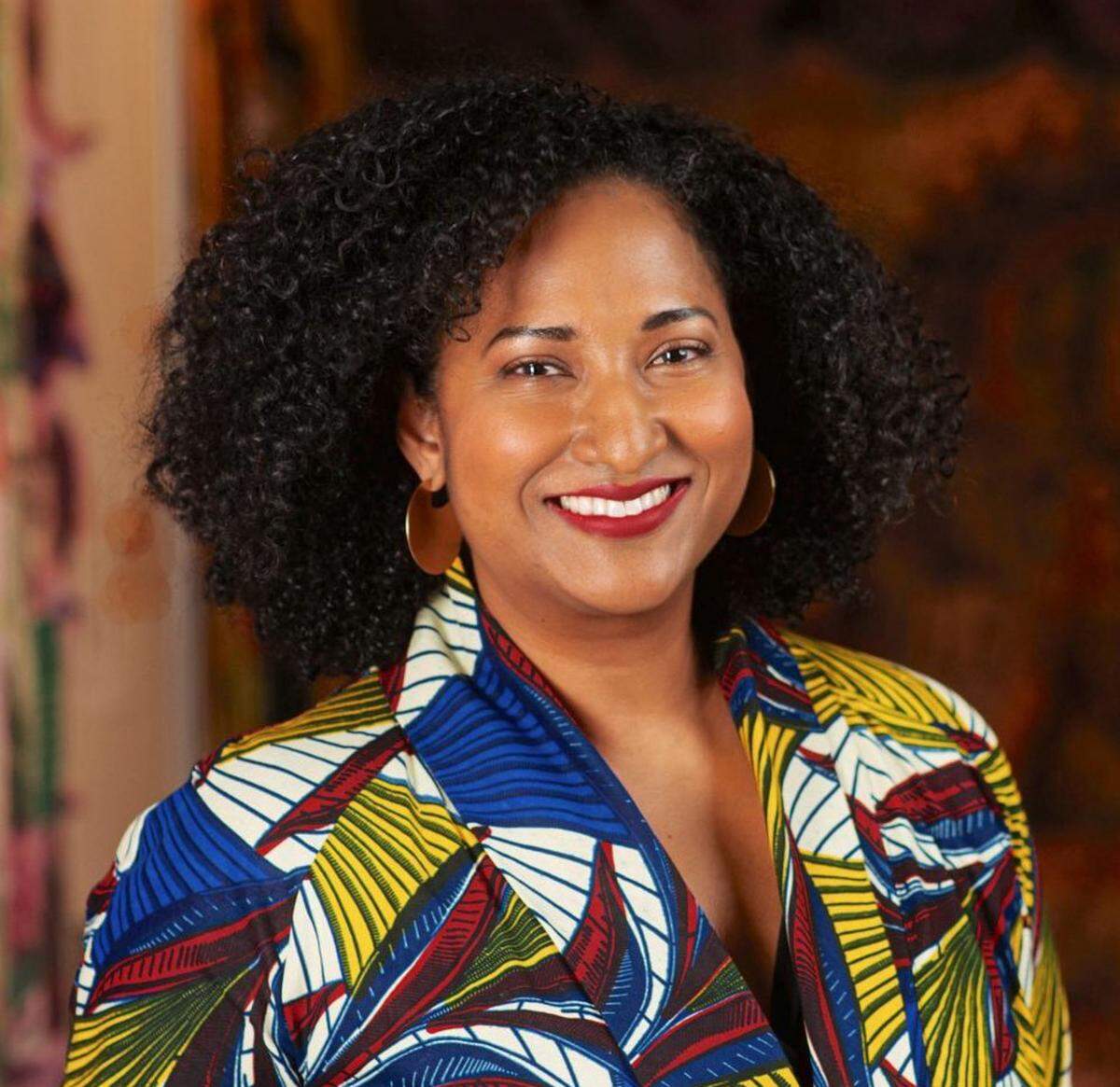
Kristina Newman-Scott, an interdisciplinary arts and culture leader, currently serves as vice president for arts at Knight Foundation.