
Nicaragua’s first lady is nothing to celebrate: She’s a step backward for women | Opinion
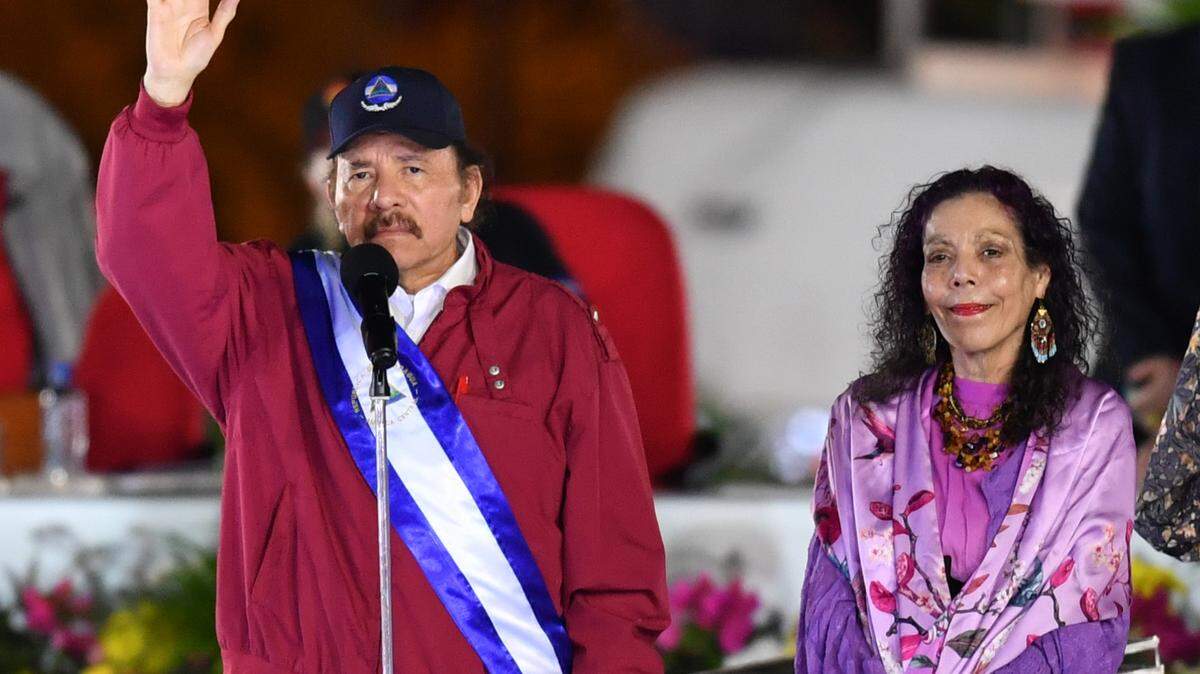
It’s been six months since Rosario Murillo became Nicaragua’s co-president, but it’s nothing worth celebrating. In fact, it’s a major step backward for Nicaraguan women.
Just look at what’s happened in Nicaragua since Murillo officially joined her husband, Daniel Ortega, as — let’s be frank — co-dictator. The regime has arrested hundreds of opponents and violently repressed protests, killing more than 300 people.
It has systematically dismantled civil society, canceling the registration of more than 5,600 NGOs since 2018. A significant number of the organizations targeted by this female-fronted authoritarian regime are women’s groups. Of the 26 Catholic congregations stripped of legal status, all but four were led by women. Reports show at least 7,000 cases of aggression against women human rights defenders. Of the thousands of shuttered civil society organizations, at least 212 focused on women’s rights.
And yet, here’s the disturbing part: the regime has effectively used superficial “gender inclusivity victories,” like Murillo’s rise to co-president, to boost its international image and gain diplomatic cover. This tactic is working — materially sustaining tyrannies under the guise of progress.
When more women hold leadership roles — and only 20 countries in the world currently have a female head of state — people in wealthy democracies tend to perceive those governments as more democratic than they actually are. As a result, public support for sending foreign aid increases — aid that can be vital to the survival of these regimes. Autocrats know this and use it to their advantage.
That’s why gender representation in authoritarian governments is rarely a reflection of genuine progress. It’s part of a broader strategy to cling to power.
And let’s be clear: Murillo’s position as co-president is not a sign of advancement for women. When Edipcia Dubón, a Nicaraguan pro-democracy and women’s rights advocate, was asked what Murillo’s presidency means for women, her response was blunt: “Absolutely nothing.”
Nicaragua isn’t the only dictatorship using gender for legitimacy. In June, under orders from the general commander of Venezuela’s Bolivarian National Guard (GNB), female military personnel posted videos attacking opposition leader María Corina Machado. They called her a “fascist” and a “sociopath,” among other insults. Military commanders amplified the videos, praising the women as “strong” and “victorious.”
But Machado represents more than the opposition — she is a symbol of hope for Venezuelans who have endured decades of crimes against humanity: enforced disappearances, more than 900 political prisoners, systematic persecution of dissenters, torture, transnational repression and widespread human rights abuses.
The video campaign aimed to weaken her standing and boost the regime’s legitimacy. It failed. If anything, the campaign highlighted Machado’s strength — and how threatening her image is to Nicolás Maduro’s grip on power.
The regime was forced to weaponize gender in an attempt to discredit its most prominent critic. Autocracies exploit the global push for women’s rights to deflect attention from their abuses.
The regimes of Maduro and Ortega-Murillo want the world to see Murillo and Venezuela’s female military figures as feminist icons. But these are the same women who prop up brutal governments that have done nothing meaningful to improve the lives of women in a region still in dire need of gender justice. The real heroes are those risking their freedom to fight back.
Women like Angélica Chavarría Altamirano, Eveling Carolina Matus, Fabiola Tercero, Lesbia Gutiérrez and Carmen Sáenz have been arrested for speaking out against the regime since 2024. Others — including Dora María Téllez, Cristiana Chamorro, Suyen Barahona and Ana Margarita Vijil — were imprisoned, held in solitary confinement, exiled and stripped of their citizenship.
These women are doing more for democracy and women’s rights than Murillo — or any other authoritarian figurehead — ever could.
Mariana Atala is a legal and policy fellow at the Human Rights Foundation in New York.