
Brazil matters. Trump is right to interfere in its political, economic business | Opinion
Since President Donald Trump took office, the United States has returned to the global stage with unmistakable strength and resolve. This is not a vision for the future — it’s already happening.
In just a few months, we’ve witnessed decisive action, bold leadership and renewed purpose. The United States is defending its interests with full awareness of its global influence and asserting the power at its disposal.
In this context, Brazil stands out not just as a partner but as a strategic asset — one that directly aligns with an America First foreign policy. That is why the attention Brazil has recently received from Trump is not simply about supporting a former fellow head of state and ally.
It is about defending the rule of law, the fair adjudication of justice and protecting American companies operating abroad. It also presents an opportunity for the U.S. to start paying greater attention to a country that could significantly help advance American interests in the region.
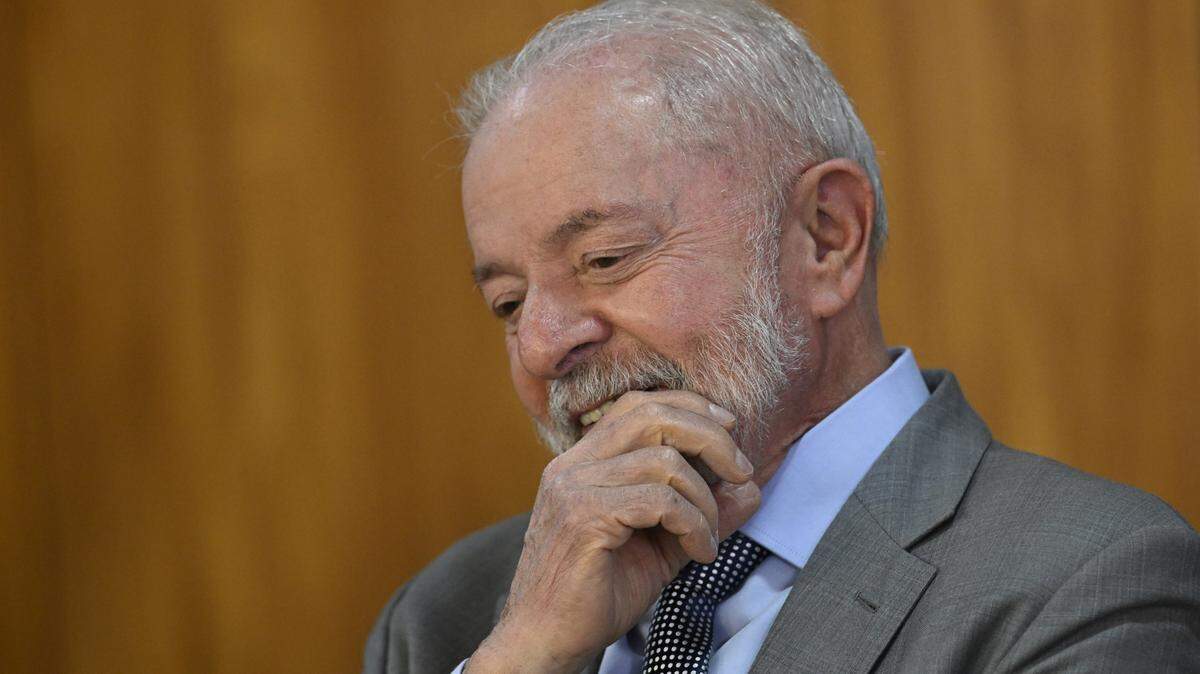
Last week, Trump sent a letter to current president, Luiz Inácio Lula da Silva, threatening Brazil with 50% tariffs over the country’s current prosecution of its former president, Jair Bolsonaro, which Trump called an “international disgrace.”
According to the letter, posted on Truth Social, Trump said this is also about responding to “Brazil’s insidious attacks on Free Elections and the fundamental Free Speech Rights of Americans (as lately illustrated by the Brazilian Supreme Court, which has issued hundreds of SECRET and UNLAWFUL Censorship orders to U.S. Social Media platforms)...”
These challenges present the U.S. with a renewed opportunity to start paying greater attention to a country that could significantly help advance American interests in the region.
Brazil is Latin America’s largest economy and ranks among the top globally. It accounts for nearly half of all defense spending in the region, boasts a diversified industrial base and a domestic market of over 200 million consumers.
Brazil is uniquely positioned to contribute to hemispheric economic growth, regional stability and the projection of U.S. power throughout the Americas. For U.S. businesses, it represents a vibrant market and a high-value destination for strategic investment.
But the urgency of prioritizing Brazil goes beyond economics. It is also about global competition. China has made significant inroads and is aggressively positioning itself as Brazil’s top strategic partner. The U.S. must take this challenge seriously. We cannot allow rival powers to gain ground in our own hemisphere. Standing still is not an option.
The U.S. must lead — without being trapped by the political cycles of foreign governments. Administrations change; strategic interests do not. Our strength must not depend on temporary ideological alignments with other countries. Even when dealing with governments that do not share our values, we retain leverage — and we must use it. Tariffs, even if unpopular to some in the short term, could serve as useful leverage to help advance our long-term strategic interests.
American power is real — and now is the time to use it smartly and decisively to expand our reach where it matters. Brazil offers an opportunity to shape a long-term agenda across trade, energy, innovation and security. But a partnership of this scale requires action.
In addition to tariffs, the U.S can also leverage a number of other tools.
For example, this is the ideal moment to apply one of Trump’s most strategic foreign policy tools created during his first administration — the U.S. International Development Finance Corporation (DFC). The DFC mobilizes private-sector investment to advance America’s interests and counter the influence of adversaries like China.
Nowhere is this more important than in Brazil. Deploying the DFC’s resources there would not only deepen U.S.–Brazil commercial ties but also reinforce our geopolitical presence in the Western Hemisphere.
For a foreign policy rooted in renewed American strength, Latin America is not a sideshow — it’s a strategic front line. Brazil is the gateway. Defending the rule of law and standing up for what is right will project American influence and secure a hemisphere aligned with the values and interests we defend.
Brazil is not a distant neighbor. It is a historic opportunity in an era of renewed American greatness.
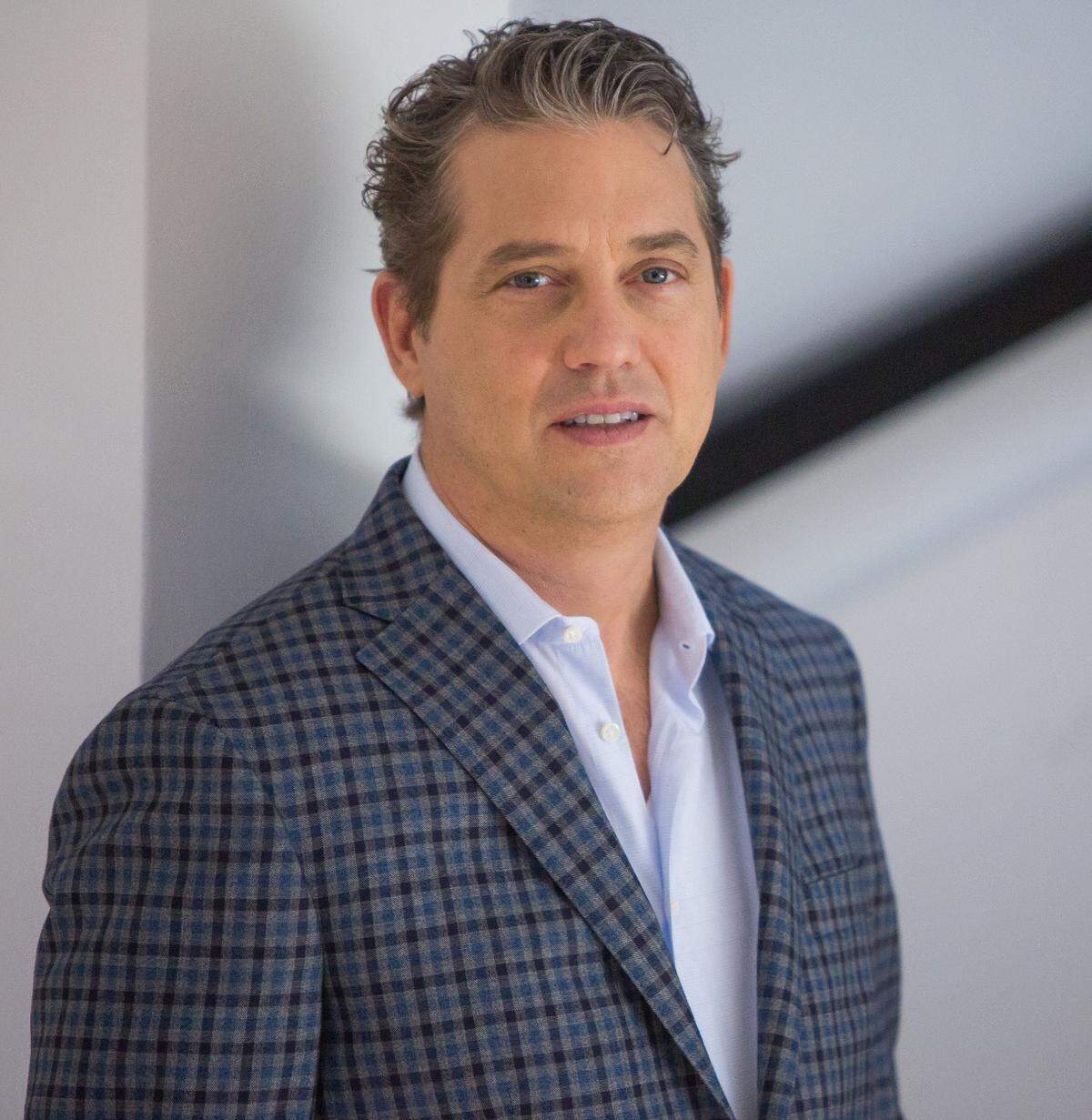
George Heisel is an entrepreneur, investor, philanthropist and a member of the Board of Trustees of Florida International University. He was appointed to the board by Gov. Ron DeSantis in January. Heisel has lived and worked in Brazil.
This story was originally published July 15, 2025 at 6:00 AM.