Jeb Bush: Florida policymakers’ bold moves pave way for more charter schools | Opinion
When Florida began its education reform journey more than two decades ago, we led with a simple but powerful conviction: Every child, regardless of income, background or ZIP code, can learn and deserves access to an excellent education.
As part of that journey, we created programs to reward high performers, directed targeted supports and interventions for struggling schools and made Florida a national beacon of choice for families.
The result has been a remarkable boon for Florida. Families flocked to the Sunshine State, and our education system has served as a model for much of the 21st century.
Today, Florida is one of a handful of states expected to increase its total K-12 student population by 2030 thanks to families increased interest in choice.
Despite this success, far too many students remain stuck in “persistently low-performing” schools that year after year fail to deliver on the promise of a high-quality education.
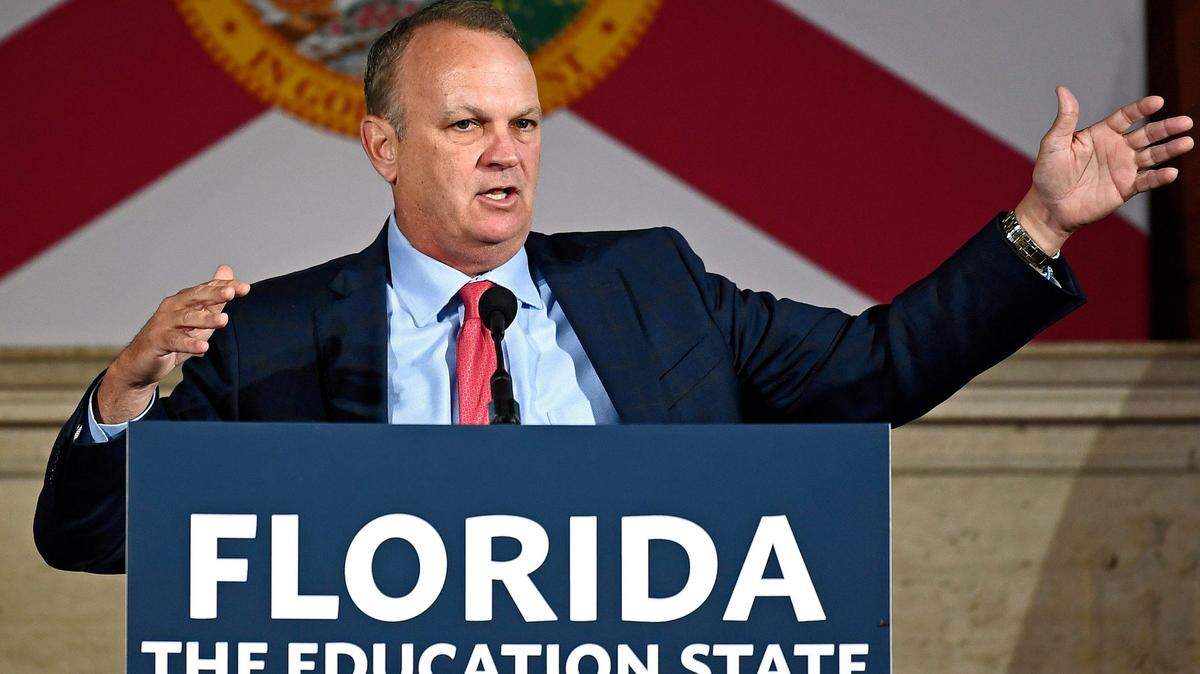
In 2018, under then-Speaker Richard Corcoran, Florida addressed this challenge head-on with the creation of the Schools of Hope program — a first-in-the-nation initiative that incentivizes high-quality charter operators to open schools for students trapped in failing ones. In return, the state provided a revolving loan fund for facilities and generous grants for critical startup costs.
This year, lawmakers took the next major step in our education journey — expanding Schools of Hope while also setting a national precedent for solving another growing problem: vacant and underutilized school buildings caused by declining public-school enrollment.
Policymakers created a bold, innovative new model that gives high-performing operators guaranteed access to these public school facilities. They can either co-locate with a traditional school or use the full building.
Co-location isn’t new. Success Academy Charter Schools in New York City has perfected the model, delivering top-tier academic outcomes. Thanks to recent legislative changes, Success and other strong, proven operators now have a pathway to do the same in Florida.
What is new for Florida is formal recognition that school buildings don’t belong to districts, boards or superintendents — they belong to taxpayers. When buildings sit vacant, underused or are declared surplus, they should be prioritized for use by education entities and immediately put them to work for students.
Lawmakers also approved a bold, ambitious new funding policy: supplemental dollars tied directly to a school’s actual performance. The concept isn’t new, but the scale and intent within the Schools of Hope program is.
To qualify, schools must deliver exceptional results for students previously assigned to campuses ranked in the bottom 10% statewide. It’s a fundamental reimagining of how to prioritize public education dollars. If a school achieves extraordinary outcomes, the state will reward it with additional funding so it can grow, replicate and serve more students. It’s a strategy that smartly combines choice with accountability and keeps Florida laser-focused on measurable results.
I often say that reform is never finished, and success is never final. That mindset has driven Florida’s education progress for decades — through the consistent leadership of state lawmakers and governors determined to do better for students.
From ending social promotion and grading schools to raising expectations and expanding choice, Florida has never hesitated to challenge the status quo in pursuit of excellence.
This year’s expansion of Schools of Hope opens the door to new charter operators and builds on the success stories already unfolding in other cities and states. As Florida continues to lead on education, we’ll grow existing schools and recruit new ones, giving families more high-quality, effective options.
Looking back on my time in public service and ahead to Florida’s future, it’s clear we’re not resting on our laurels. We’re improving, innovating and leading the next generation of bold reform — putting families first and showing the country what determined, student-centered leadership truly looks like.
Few states are willing to take this kind of courageous approach, blending access, accountability and innovation. Florida is doing it again — and our students will be the ones who benefit most.
Jeb Bush served as Florida’s Republican governor from 1999 to 2007.