
Miami-Dade mayor warns ICE crackdown may have ‘chilling effect’ on World Cup | Opinion
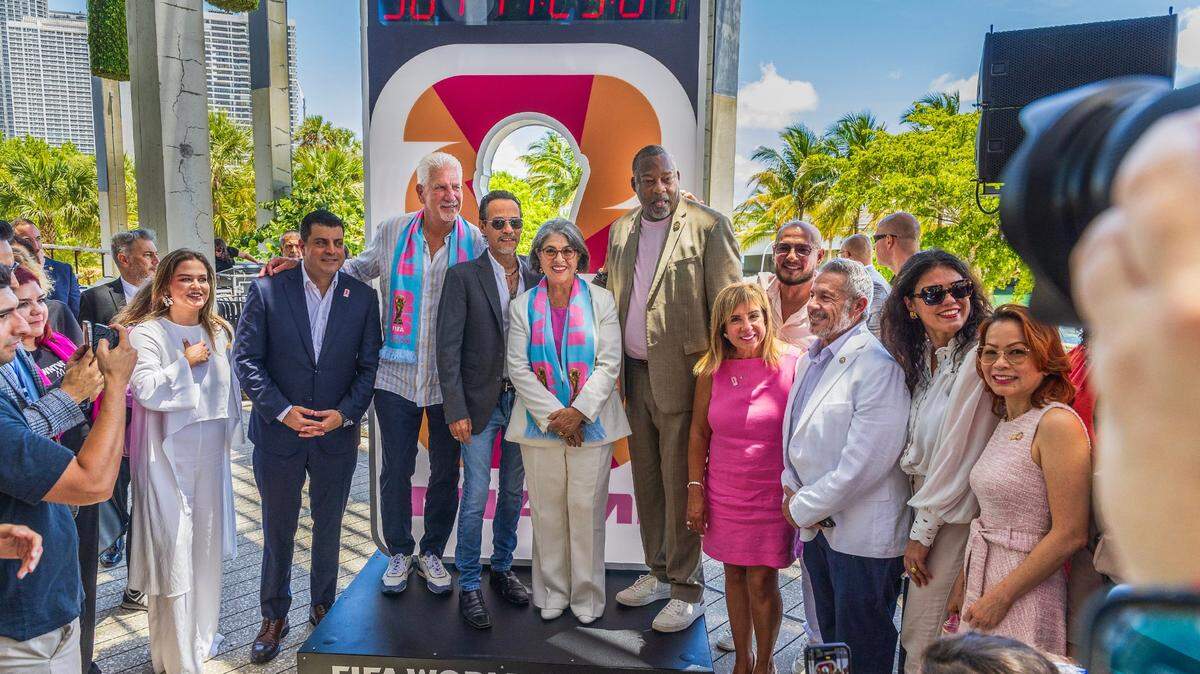
As Miami-Dade County prepares to host the 2026 FIFA World Cup next year and the 2025 FIFA Club World Cup this weekend, the excitement surrounding both events is palpable.
With economic impacts and tax-generated revenues projected to exceed the public investment in ensuring a safe and successful FIFA World Cup — and an additional $100 million anticipated from the private sector — local leaders are preparing for the unique opportunity to share the global stage and showcase the strengths of our community.
We know that soccer attracts international visitors who will bolster the local economy through increased tourism, hospitality and retail spending, bringing secondary benefits like global branding.
However, beneath this optimistic outlook lies a growing and significant concern: the potential impact of recent heightened untargeted immigration enforcement activities on the local community and economy.
In recent days, we’ve read news stories in the Miami Herald describing how U.S. citizens coming through our airports feel a tone shift when going through Customs and Border Protection (CBP).
Even more troubling are the continued notices from immigration enforcement officials indicating their planned presence at this weekend’s FIFA Club World Cup, where we expect thousands of international visitors who will be spending their dollars in our local community.
It would be devastating to our economy and global image if the lasting impression were that visitors who came to enjoy the wonders of Miami-Dade were inappropriately targeted or mistreated.
The implications of this fear are twofold.
First, the anticipated economic benefits of the World Cup may be undermined if a significant portion of the local or national population refrains from participating in the event.
Second, the unprecedented targeting of legal visitors will create a chilling effect and deter international tourists who may perceive the U.S. as unwelcoming or hostile, affecting attendance and the overall success of the event.
Let’s not forget that FIFA fans around the world are making a choice by deciding to enjoy the World Cup in the United States when they can also participate in the fun by attending matches in Mexico and Canada.
This poses a great challenge to Miami-Dade, as we will host seven matches, and to the national economy, as our country is set to host dozens of games, including the opening and closing matches.
I wholeheartedly and forcefully express full support for efforts to protect our border and to target and remove dangerous criminals.
In fact, congressional leaders must double down and redirect immigration enforcement to focus on these efforts rather than misguided blanket actions that only dilute Homeland Security’s true mission to remove criminals and dangerous individuals from our streets.
Further, I believe Congress must provide answers regarding the deal reported earlier this year that allowed 17 family members of dangerous Mexican cartels to freely enter our nation.
Last month, Mexico’s top security officials confirmed that family members of cartel leaders came to the U.S. through the border as part of a deal between the Trump administration and the son of the former head of the Sinaloa Cartel.
So while our community prepares for what could be challenging moments for visitors, the federal government allowed family members of cartels to enter our nation — which makes no sense.
The 2026 FIFA World Cup presents an incredible opportunity for Miami-Dade to further solidify its name on the global stage, and this weekend will serve as the first test of whether federal officials will cause economic hardship and global pain by making visitors feel less than welcomed and safe.
Ensuring that all community members feel safe and included is crucial for the event’s success and for maintaining our county’s reputation as a welcoming destination for both residents and visitors.
As they say in soccer, let’s score big this weekend and show our community, state, nation and the world that Miami-Dade is a model for success.
Daniella Levine Cava is the mayor of Miami-Dade.