A Harvard professor asks: Am I back in Cuba? | Opinion
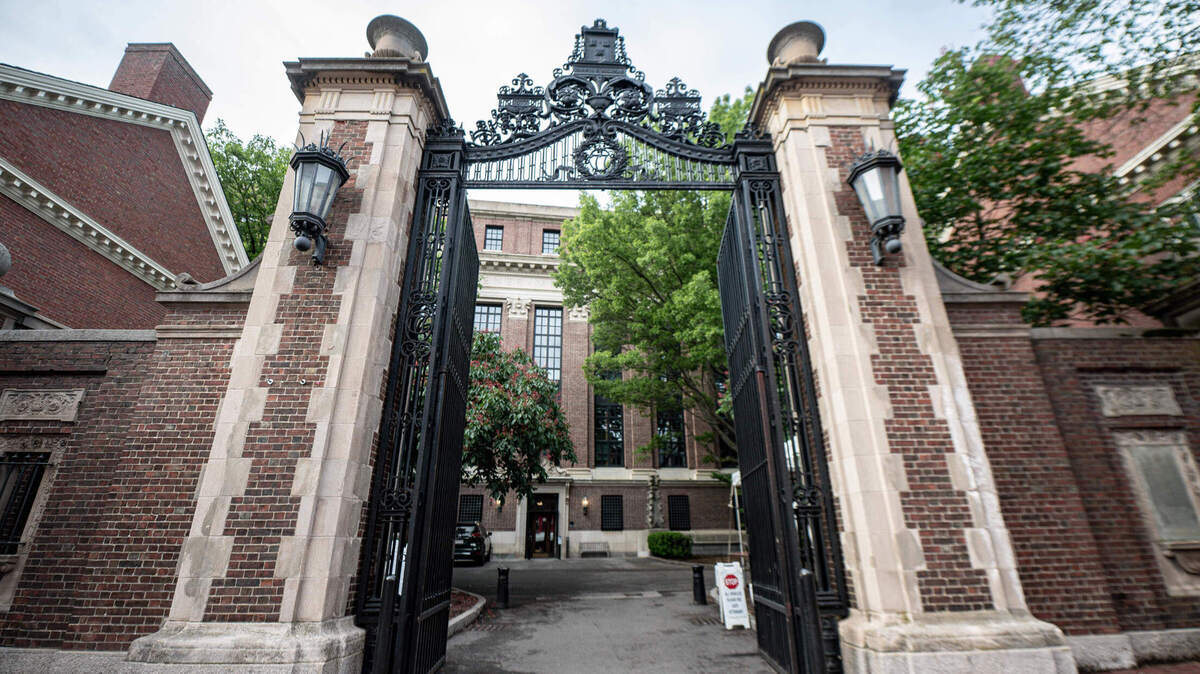
I have been trying to make sense of the administration’s demands on Harvard, where I have taught for over ten years. The university described by officials is not the one I know.
The Harvard I know is obsessed with excellence in knowledge production. It is a place where people at the apex of their disciplines and professions come to build new research agendas, advance their fields, and teach some of the brightest students in the world.
Harvard faculty spend countless hours crafting lectures, writing books and articles and preparing for conferences. They care deeply about their students.
It is a diverse community that thrives on talent and creativity, regardless of national origin. Our academic departments are multinational intellectual communities made up of individuals from different countries, cultural backgrounds, personal trajectories, and ideological beliefs.
Harvard is not perfect, but it has served its mission with purpose and distinction. It sits atop nearly all global university rankings, a testament to American leadership in science and academia.
The excellence of American higher education rests on a foundational principle: freedom.
Cutting-edge research can only happen when universities — factories of knowledge — are free to ask hard questions, test improbable hypotheses and pursue visionary ideas. Tenure was created to protect faculty from political interference. While teaching and research may produce difficult truths, those truths must remain protected.
I know this well. As a young man, I left Cuba in search of intellectual freedom.
Like many immigrants, I came to the United States for a better life, but for me that meant the freedom to think. I wanted to read banned books and learn from forbidden authors.
I wanted to teach and research without fear. When I was a junior faculty member at the University of Havana Law School, fear was a constant companion. Knowledge and exploration were the first casualties.
The rules in Cuba were clear: stay safe, avoid scrutiny and don’t attract attention. State security approved faculty hiring and monitored dissent. Everyone knew there were informants among faculty and students. Periodic purges punished the noncompliant. An official slogan still states: the university belongs only to the revolutionaries.
This kind of state interference is the death of academic excellence. Surveillance destroys scholarship and breeds mediocrity. Just look at Cuba’s academic collapse.
The University of Havana, once vibrant, doesn’t even rank among the top 200 in Latin America for research quality. That is the cost of politicizing scholarship.
So yes, I find the Trump administration’s demands on Harvard deeply disturbing. The proposal would place Harvard under government oversight.
Federal officials — or third parties approved by them — would decide hiring and admissions.
Faculty, staff and students would be audited to ensure “viewpoint diversity.” International students would be screened for alignment with “American values and institutions.” Programs would be restructured to achieve ideological quotas, even as all diversity, equity and inclusion initiatives are dismantled.
Reading the administration’s letter gave me déjà vu. Who will audit our viewpoints? Will we self-report ideological beliefs? Are we headed for Stalinist-style public confessions? Will there be procedures to report noncompliance, as the letter demands, turning campuses into snitch cultures?
And why assume that international students don’t already embrace American values — chief among them, freedom of thought?
The federal government has no place running Harvard or any university. It should not use public funds to settle political scores, as Cuba’s regime does. Its role is to protect the freedoms on which universities thrive.
That is why I was relieved by Harvard President Alan Garber’s response affirming these values.
I am not back in Cuba after all.
Alejandro de la Fuente is a professor of history and African and African American studies at Harvard University. delafuente@fas.harvard.edu