
’One Big Beautiful Bill’ harms more than it helps, says Miami archbishop | Opinion
The “One Big Beautiful Bill Act” passed in the U.S. House and is now in the Senate. Senators have a critical opportunity to reshape or amend some of the bill’s provisions before moving it forward.
Doing so is imperative, as the bill passed by the House contains real and substantial threats to the promotion of the common good and the protection of human life and dignity.
Many across the political spectrum object to the bill’s enormous spending, arguing it will add to the already unsustainable national debt. One of the most problematic areas is its doubling down on an enforcement-only approach to immigration, which needlessly adds to this debt.
This sweeping legislation allocates $24 billion for immigration enforcement and $45 billion for detention — including the detention of families — a 400% increase from current funding levels, according to Dominican Life USA, which has broken down the immigration costs. It also proposes $100 million to expedite the removal of unaccompanied children.
Additionally, the bill would impose prohibitive fees on immigrant families: $8,500 for family reunification with an unaccompanied child, $1,000 to request asylum, which does not exist now, and $550 for a work permit that must be renewed every six months. These draconian measures undermine both financial logic and moral responsibility.
The administration has already effectively regained control of the border and is aggressively removing and deporting “bad actors” — those who commit serious felonies after entering the country. However, as employers in agriculture, healthcare and service industries can attest, the majority of immigrants are honest, hardworking individuals who are simply seeking a better future for their families.
Most undocumented immigrants are not criminals. Many have temporary protections, such as TPS (Temporary Protected Status), parole, or pending asylum applications.
Some — including Haitians, Cubans, Venezuelans and Nicaraguans — entered under special humanitarian visas. Others arrived legally on student or visitor visas and later fell out of status by overstaying their visas. DREAMers, brought to the U.S. as children, have only been granted “deferred departure” and still have no pathway to legal permanent residence.
Rather than spend billions on mass deportation efforts targeting people who are already contributing positively to our nation, it would be both more financially prudent and morally just to halt enforcement-only policies and expand legal pathways to permanent status for non-criminal immigrants.
The U.S. is currently facing labor shortages in many industries, including healthcare, services and agriculture. Removing immigrant workers will only worsen these shortages.
While the administration enforces the laws, Congress makes the laws — and has the power to change them.
Congress could revise the “One Big Beautiful Bill Act” to be less expensive, more economically advantageous and better aligned with our values by eliminating wasteful spending on enforcement and including a stay on deportations of non-criminal immigrants.
Otherwise, this legislation will fund a mass deportation campaign that could tear apart families, disrupt industrie, and undermine communities.
Long-term residents with U.S.-citizen children — people who work, pay taxes and enrich our culture — will be forced out. That does not serve the long-term interests or moral foundations of our country.
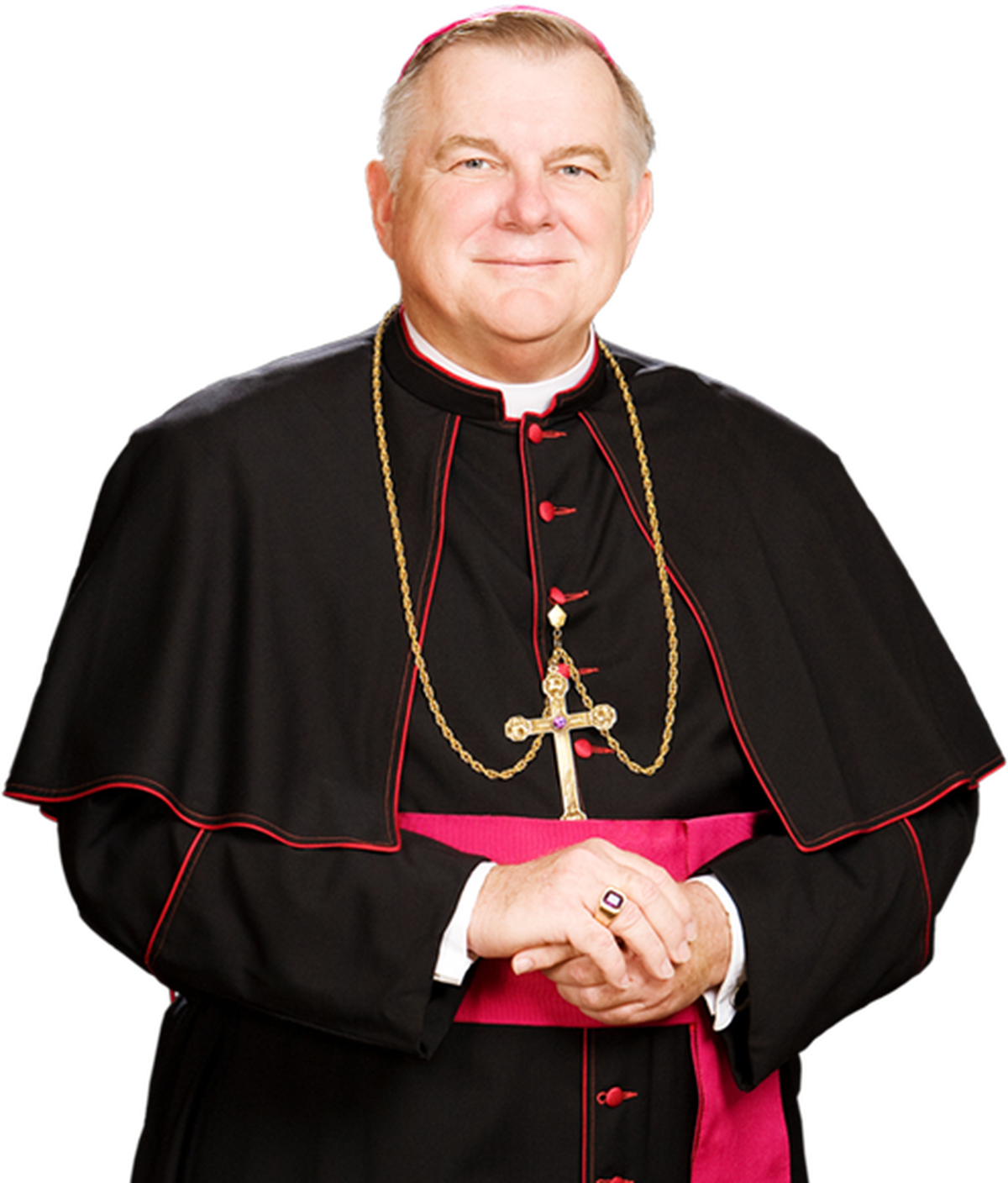
Thomas Wenski is the archbishop of Miami.
This story was originally published June 10, 2025 at 9:32 AM.