Don’t cut Medicaid. The Florida economy relies on it, and so do families | Opinion
When considering the pillars of a strong economy, several factors come to mind: a skilled and educated workforce, a focus on innovation and technology and the emergence of booming new industries. These are all important indicators of economic strength.
However, one often-overlooked factor is the crucial role public health programs like Medicaid play in building and sustaining a healthy economy.
By providing health insurance for low- and middle-income families, seniors and individuals with disabilities across the nation, Medicaid supports millions of jobs, reduces healthcare costs and helps sustain a healthy workforce. It also helps us give back to our seniors — those who have contributed to Florida’s workforce and economy throughout their lives — by ensuring they receive the care they need in their golden years.
Medicaid cuts
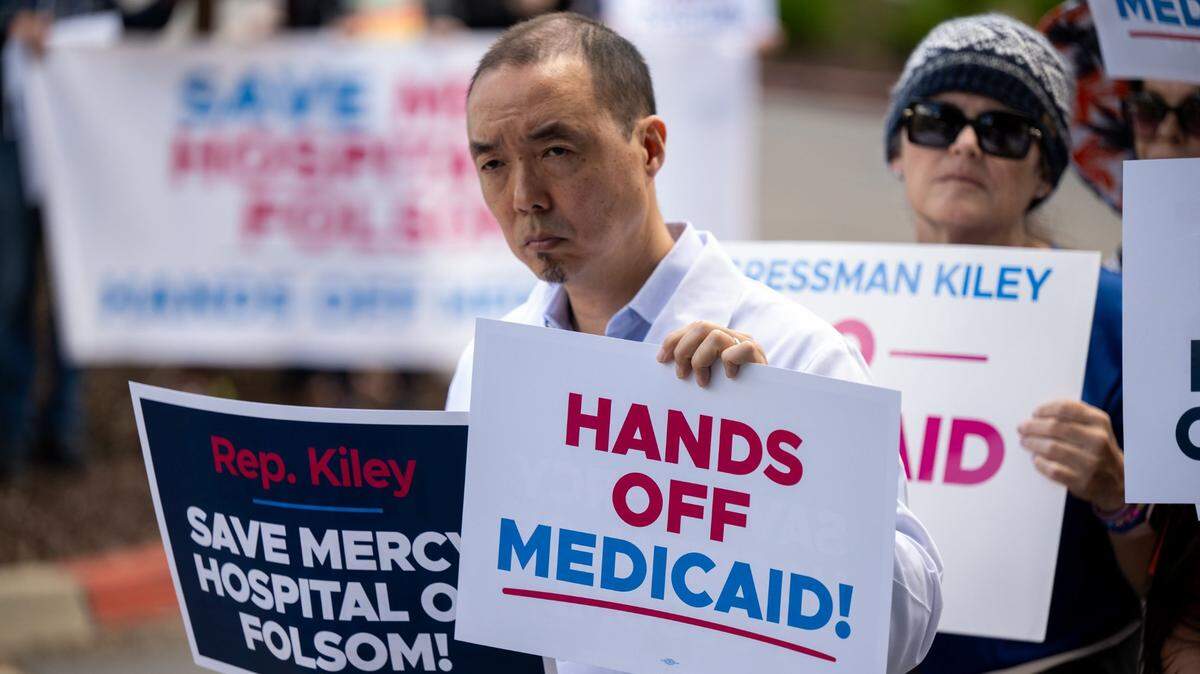
Unfortunately, there is growing pressure in Congress to pull back Medicaid funding, despite President Donald Trump’s repeated commitments to protecting the program.
But if those proposed changes move forward, Florida’s Medicaid program could receive less federal funding — and lose as much as $4 billion, jeopardizing not only the well-being of the 3.9 million vulnerable Floridians who rely on it but also the strength of Florida’s overall economy, especially in Miami-Dade and Broward counties.
Medicaid plays an especially vital role for Hispanic families. In Florida, more than 35% of Medicaid recipients are of Hispanic descent.
Nationally, over half of all Hispanic children rely on Medicaid for healthcare. The reality is that Hispanic Americans are more likely to work in jobs that don’t offer health insurance. Medicaid is a critical lifeline for low-income and working-class families across the state.
Seniors and services
In a state with one of the country’s largest senior populations, Medicaid’s importance cannot be overstated. It is the backbone of long-term care in Florida, helping seniors and people with disabilities access round-the-clock care while supporting families who are often stretched thin. Four in seven nursing home residents in Florida rely on Medicaid to afford the care they need.
The program also covers essential services — such as assistance with eating, bathing, and mobility — that Medicare and private insurance often do not.
Florida’s population is aging rapidly and demand for long-term care is increasing. If Medicaid is weakened now, care facilities will struggle to meet today’s needs — let alone tomorrow’s — and Florida’s economy will bear the burden.
Even under current conditions, Medicaid does not cover the full cost of care. On average, providers are reimbursed just 82 cents for every dollar spent caring for a resident. This chronic underfunding makes it difficult for nursing homes to hire and retain skilled caregivers and leaves little room for investing in upgrades, modern equipment, or expanded services.
Long-term care facilities contribute nearly $30 billion annually to Florida’s economy. Beyond the jobs and revenue they generate, these facilities enable family members to work full-time or pursue education, knowing their loved ones are receiving the care they need.
The ripple effect of Medicaid funding reductions would extend well beyond nursing homes. Seniors without access to long-term care would remain in hospitals longer, backlogging admissions and placing additional strain on an already stressed healthcare system.
Congress and Medicaid
In Florida — where nursing homes are major employers and community anchors — these impacts would be deeply felt.
Now is not the time to withdraw resources from Medicaid. I urge lawmakers to protect this essential program — not only for seniors in nursing homes but also for the caregivers who make that care possible and for the Hispanic community.
Medicaid is more than a line item in a budget. It’s a promise to the people who need help the most.
Liliam M. Lopez is the founder, president and CEO of the South Florida Hispanic Chamber of Commerce and the South Florida Hispanic Chamber of Commerce Foundation.