As an FIU med student, I know the catastrophic toll Medicaid cuts will have in Florida | Opinion
Imagine one in every five people you pass on the street — whether it’s your neighbor, your barista, a family member or a colleague — suddenly losing access to essential healthcare.
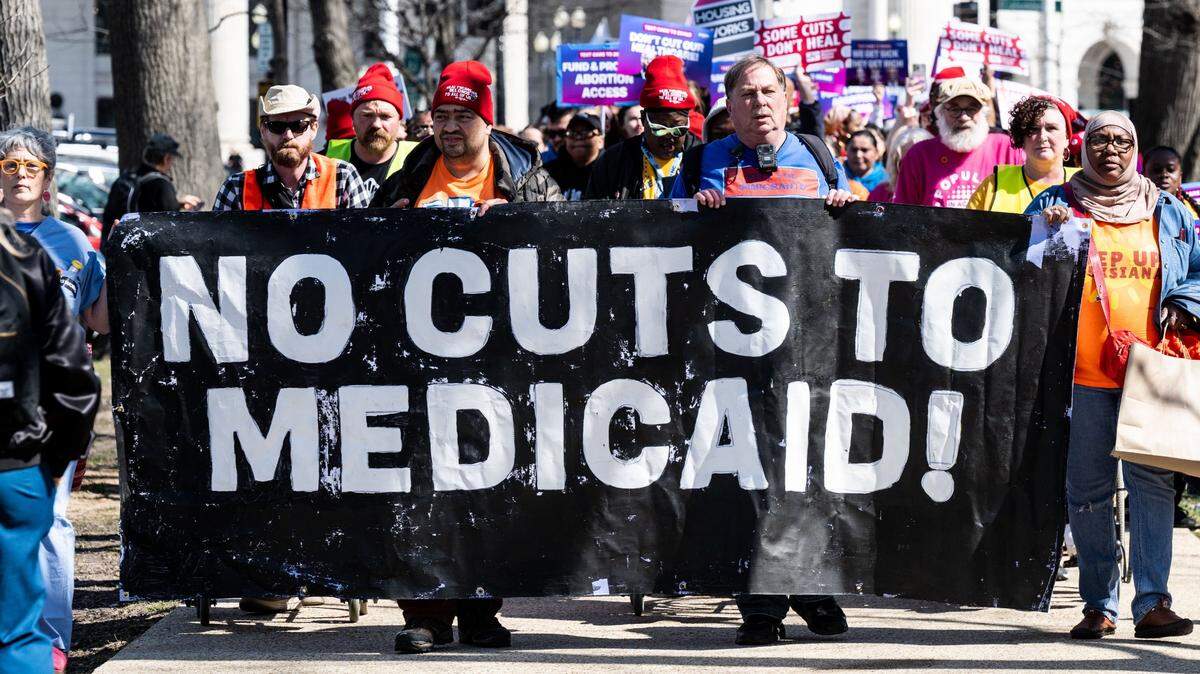
That’s the threat looming over millions of Americans as Medicaid lands on Congress’s chopping block. The U.S. House has proposed cutting $880 billion from Medicaid over the next decade — about $88 billion per year — as part of a budget reconciliation package.
For Florida, that translates into a staggering $4 billion recurring reduction in federal Medicaid funding.
This isn’t hypothetical. It’s the stark reality for approximately 71 million Americans — including millions of Floridians — who depend on Medicaid, the nation’s largest healthcare provider for low-income individuals.
Medicaid is a federal-state partnership. The federal government provides funding and states administer their own programs.
In Florida, Medicaid operates under the Statewide Medicaid Managed Care (SMMC) program, which includes three components: Long-Term Care (LTC), Managed Medical Assistance (MMA) and dental services.
The reach of Medicaid is vast and vital. In 2023, Medicaid paid for 42% of all births in Florida.
As of July 2024, it was the primary payer nationally for 63% of nursing facility residents. Medicaid also funds critical services for people with disabilities, mental health treatment, addiction care and rehabilitation.
If these cuts go through, the result would be catastrophic.
Imagine a patient who depends on Medicaid to manage their diabetes. Without coverage, routine doctor visits become unaffordable luxuries. Lifesaving medications disappear from reach. Uncontrolled blood sugar escalates, leading to irreversible complications — amputations, hospitalizations or worse.
The ripple effects would overwhelm hospitals, worsen healthcare worker shortages, and accelerate provider burnout. Entire facilities could shutter, especially in rural or low-income communities.
The result: a crumbling healthcare system.
And yet, the most compelling reason to reject these cuts isn’t statistical — it’s human.
As a current fourth-year medical student at Florida International University’s Herbert Wertheim College of Medicine, I took an oath — to serve society, to care for both the healthy and the infirm, and to uphold dignity for all. That oath doesn’t end at the hospital door. It extends to the halls of Congress and to every citizen willing to raise their voice.
When I provide care, I don’t ask about political affiliation, income level or insurance status. I see a person. A fellow human being. To cut Medicaid is to endanger lives. Healthcare is not a privilege for the few. It is a fundamental human right.
Several bills have been introduced to help safeguard Medicaid:
▪ Stabilize Medicaid and CHIP Coverage Act: This bill aims to provide 12 months of continuous eligibility for Medicaid and CHIP enrollees, reducing coverage disruptions due to temporary income changes.
▪ Medicaid Program Improvement Act (H.R.8111): This legislation seeks to enhance the accuracy of enrollee information by requiring states and managed care plans to obtain and report updated addresses for Medicaid and CHIP beneficiaries.
▪ Protect Medicaid Act (S.3578): This bill proposes to prohibit federal Medicaid funding for administrative costs associated with providing health benefits to unauthorized immigrants.
▪ Medicaid Primary Care Improvement Act: This bipartisan bill would allow state Medicaid programs to adopt direct primary care models, aiming to improve access to primary care services for Medicaid beneficiaries.
▪ S.474: This bill seeks to establish a minimum Medicaid disproportionate share hospital allotment for states, ensuring that hospitals serving a large number of low-income patients receive adequate federal support.
But legislation alone isn’t enough. We need moral courage. We need advocacy. This is your moment. Contact your representatives. Demand they protect Medicaid. The time to act isn’t coming — it’s already here.
Raghuram Reddy is a fourth-year medical student at Florida International University’s Herbert Wertheim College of Medicine. I previously graduated from the University of Miami and served as delegate for the Florida Medical Association.