
We heard first hand the horrors of El Salvador mega prison housing Trump’s deportees | Opinion
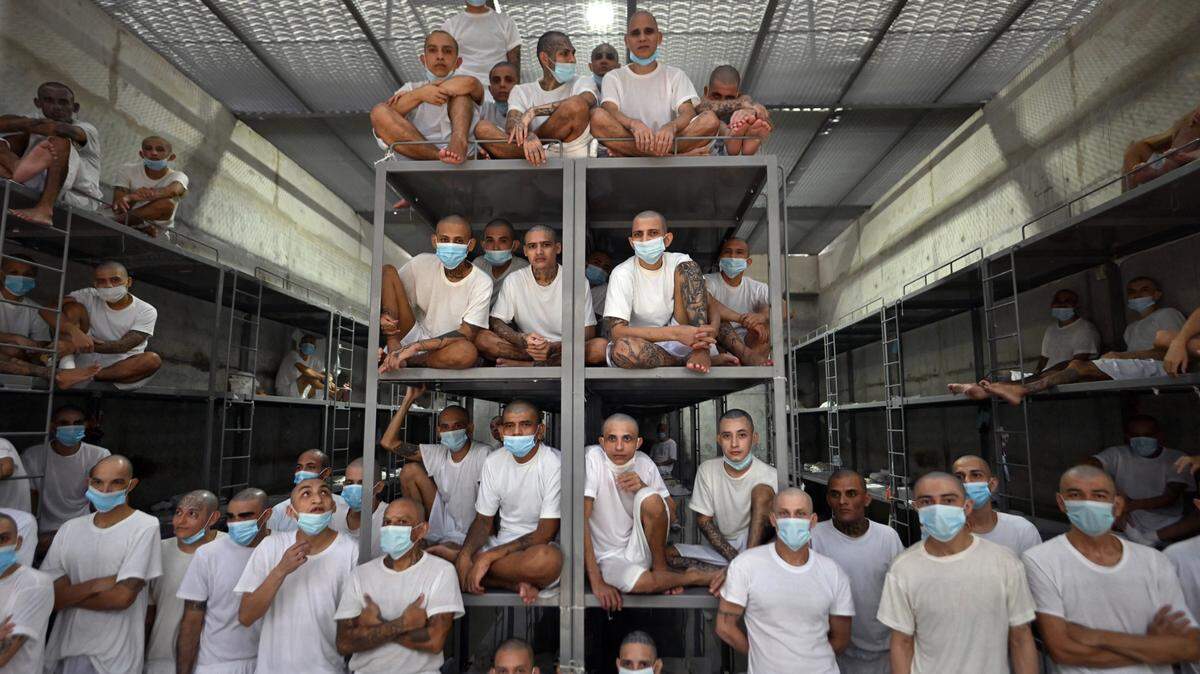
The Trump administration would have you believe that the 288 human beings kidnapped off our streets and flown to El Salvador last month without due process, in violation of a judge’s order, are all gang members.
We believe that is a lie.
My organization, Robert F. Kennedy Human Rights, is representing 10 Venezuelan clients who were taken by ICE agents. The vast majority were in the United States legally. They had Temporary Protected Status (TPS), passed credible fear interviews, or were awaiting asylum applications to be processed.
What the Trump administration has done to these men is not just illegal — it is morally reprehensible.
For over three years, El Salvador has operated under a state of exception that suspends basic constitutional rights. On a recent human rights delegation to San Salvador, we spoke with local organizations, independent journalists and survivors of detention. They described in horrifying detail what can only be called systemic torture.
Detainees endure regular beatings and starvation diets. One man we met entered detention weighing 200 pounds and left a year later at 108. He showed us pictures to prove it.
The overcrowding is inhumane at the Terrorism Confinement Center, or CECOT. Survivors told us that cells built for 50 people — evidenced by 50 cots — held up to 250 prisoners with access to one non-functioning toilet. Water was so scarce they drank the same water they bathed in — and even that was limited to five 8-ounce cups per person.
Medical care is virtually nonexistent. One detainee, who had suffered a stroke days before his arrest, watched as guards crushed his medication and threw it in the trash.
There’s no access to family or lawyers. Families are not told whether their loved ones are alive or dead, or even which prison might be holding them. These prisoners are, in effect, forcibly disappeared.
They exist in a legal maze where charges shift without documentation. One day it’s gang membership, the next it’s terrorism. Or they’re told they’re being released — but “soon” never comes. Nearly 80% of people suffering these abuses have not been convicted and will be tried in mass hearings.
Meanwhile, organizations like Cristosal and Socorro Jurídico have confirmed at least 378 deaths in prison under these conditions. Try to imagine the cruelty, the horror.
It’s not a coincidence that in January, the Trump administration slashed funding for human rights organizations and independent journalists in El Salvador. The United States has withdrawn from its historic role as a partner for democratic actors in Central America and elsewhere. This administration has created perfect conditions for abuse to thrive in darkness.
The treatment of Venezuelan detainees sent from our country violates international law, U.S. asylum law and basic human dignity. When we allow our government to treat any person this way, we compromise our national commitment to human rights and erode the foundation of our democracy.
This crisis is bigger than the 288 individuals already harmed. They represent countless others caught between governments that see human rights as inconvenient, rather than essential.
As Americans, we must demand transparency and accountability. Congress must strengthen oversight. Independent investigations must be allowed. Lawyers must have access to their clients. And most urgently, these detainees must receive due process, medical care and humane treatment as their cases move forward.
For those wondering what they can do, start by contacting your representatives, supporting human rights organizations and refusing to look away. The first step in ending abuse is exposing it — and that is exactly what the perpetrators fear most.
These men, and others like them, cannot wait for a more convenient political moment. Their suffering demands immediate attention and action. Their humanity deserves nothing less.
Kerry Kennedy is an activist, attorney and president of Robert F. Kennedy Human Rights. She is the daughter of Robert F. Kennedy and his wife Ethel Kennedy.
This story was originally published May 13, 2025 at 1:21 PM.