
If ICE comes to our schools, Miami should follow the example of these communities | Opinion
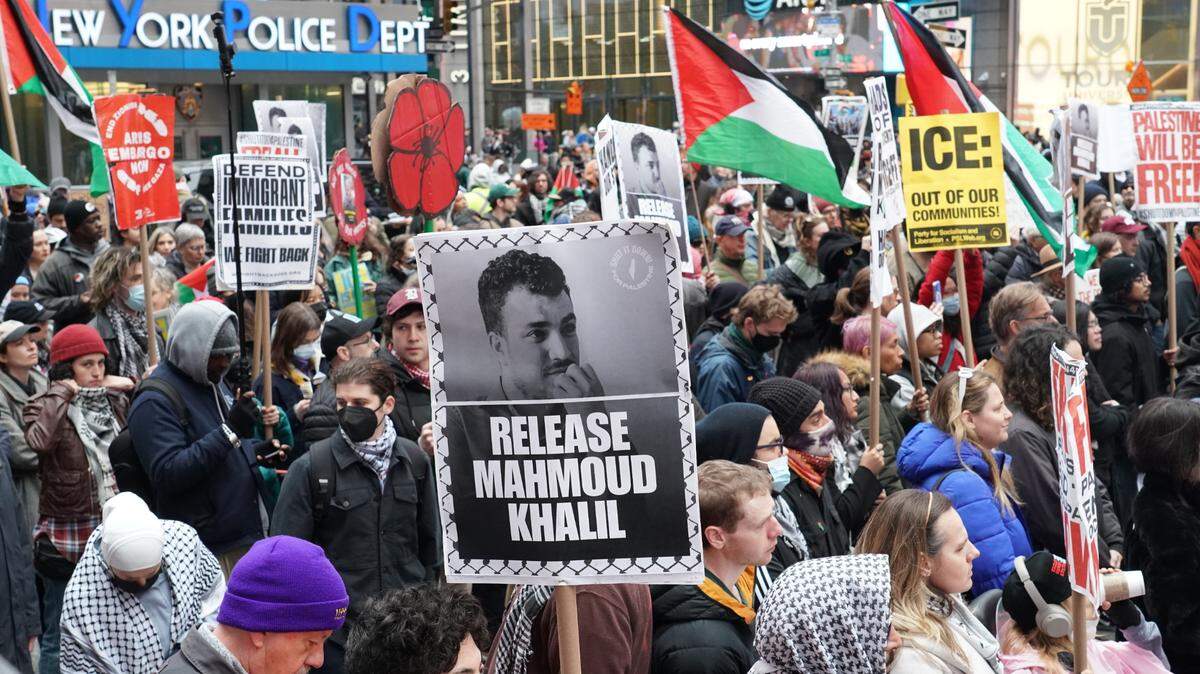
A few weeks ago in Sackets Harbor, a small town in upstate New York, a third-grader was pulled out of class and arrested, while the child’s siblings —10th and 11th graders — were removed from school in handcuffs. Their mother was arrested soon after. Although the family had been attending court hearings to secure legal status, all four were sent to ICE detention.
It’s the kind of story that seems far away — until it isn’t. And here in South Florida, where immigration enforcement has become increasingly aggressive, the fear of such incidents happening in our own communities has intensified.
In Sackets Harbor that day, the teachers sprang into action, calling elected officials, advocacy groups and anyone who might help bring the family home. A social studies teacher used ICE’s detainee locator and found the family had been transferred more than 1,700 miles away to a detention center in Texas.
Then, fueled by Principal Jaime Cook’s urgent letter, the town mobilized.
Sackets Harbor — where Donald Trump won by double digits in 2024 — saw about 1,000 of its 1,364 residents rise up and demand the family’s release. They called, they marched and they didn’t stop.
Until they won. ICE returned the family to their community.
Across the country in Los Angeles, Department of Homeland Security agents appeared at two elementary schools to “investigate.” When the principals requested identification, the agents hesitated and then refused to let their information be written down. They falsely claimed to have consent from the children’s caretakers to access the students, according to the school district. But the school staff, prepared for this, stood firm.
Only after the Los Angeles Unified School District’s legal team intervened and school board police were dispatched did the agents leave.
“No federal agency has the authority, short of a judicial warrant — that means the equivalent of a criminal subpoena — to enter our schools,” said LAUSD Superintendent Alberto Carvalho, former superintendent of Miami-Dade Public Schools and defender of immigrant children. “We will protect our kids… We will not allow abuse or intimidation of our children or our workforce.”
But what would’ve happened if those principals hadn’t held the line? And what about schools without that training and infrastructure?
In Sackets Harbor, what if Principal Cook, the teachers and the residents hadn’t raised their voices so strongly and unified? Imagine where that mother and her three children would be now.
Zooming out, we have to ask how many others are being quietly taken from classrooms or homes without due process; their neighbors left scrambling for answers. Everyone in this country, even non-citizens, has a constitutional right to due process.
Our Founders enshrined it into our laws to prevent exactly this: extrajudicial arrests, rule by fear and the unchecked power of a single man.
The Trump administration’s border czar Tom Homan, who is from Sackets Harbor, has said, “We’re gonna prioritize those with convictions. We’re gonna prioritize national security threats… You gotta get the worst first.”
It’s safe to say that violent gang members are not hiding in elementary schools. So why are federal agents — funded by our tax dollars — showing up at public schools to investigate and arrest children?
The communities of Los Angeles and Sackets Harbor offer a blueprint for Miami and other areas with large immigrant populations for protecting our most vulnerable.
They show us what it looks like to defend our people and our Constitution through collective resistance — from the ground up. When it’s our turn to defend children and families in our communities, we must join forces and not back down until they’re granted the justice we’re all entitled to under the law.
As Carvalho, himself once an undocumented immigrant from Portugal, said: “Do not underestimate the power of the immigrant child, who may very well become an adult who does well and good by America.”
We all, especially this administration, would be wise to listen.
I would only add: Do not underestimate the power of communities to safeguard our own.
Carolina Fernández is a Miami-based writer and the author of the children’s book We Are Immigrants. She is the daughter and granddaughter of Colombian immigrants.
This story was originally published April 24, 2025 at 12:01 PM.