Taming drones: UF professor researching better monitoring practices | Opinion
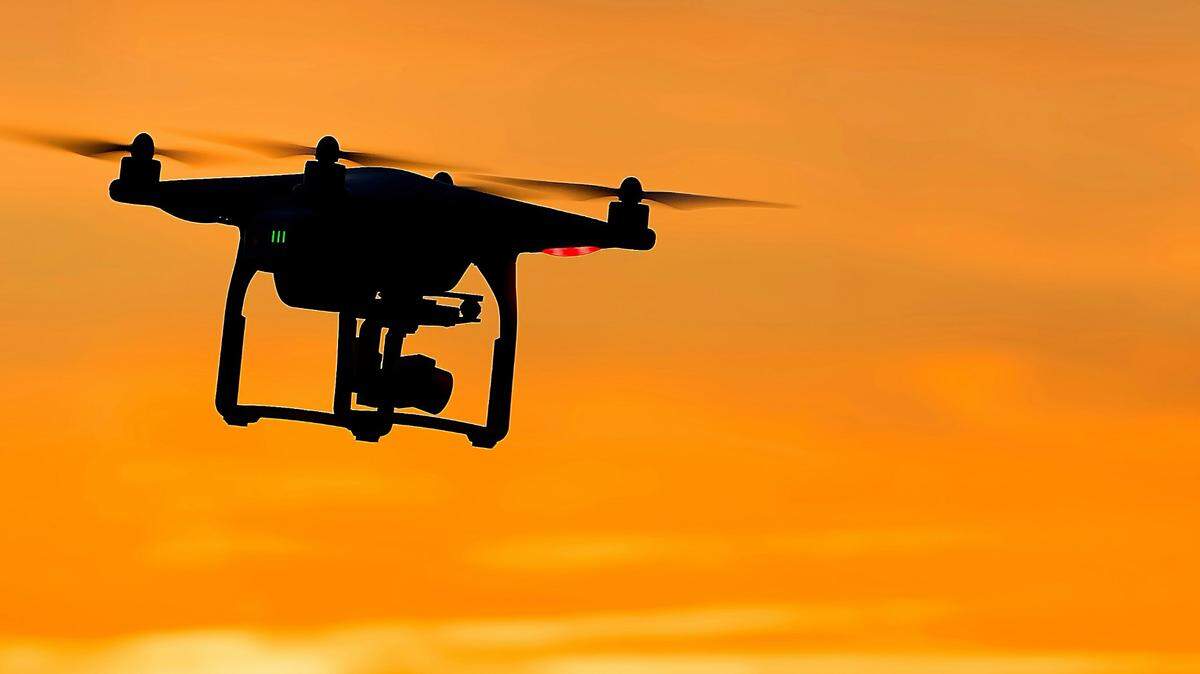
Drones seem to be everywhere these days — flying over Mexico to hunt for fentanyl labs, making Amazon deliveries, tracking pythons in the Florida Everglades and delivering donor blood to rural Rwanda. Increasingly, drones are being used in warfare as well, such as the consumer drones that Ukrainians have modified to destroy Russian armor.
From toys to weapons of war, drones serve an incredible range of functions. However, drones have also collided with firefighting planes during the Los Angeles wildfires, and they have raised alarms when used in restricted airspace around airports and military bases.
If misused, drones — especially those employing Artificial Intelligence to make their own decisions — can pose a dangerous threat to national security and the public.
That’s why researchers at the University of Florida are conducting work at an autonomous drone center for the Air Force and a testing ground called the Autonomy Park for the U.S. Department of Defense.
Using wheeled robots, dog-like robots and Starlink-based satellite communications to collaborate and perform missions, they are experimenting with techniques to track drones, jam their communications and impose and defend against cyber-enabled attacks.
It is obvious we need systems in place that can identify drones by unique IDs, monitor their flights, and disable them if they deviate into prohibited airspace — whether by accident or ill intent.
That’s why UF professors have joined the nation’s top researchers in addressing these concerns by developing AI-based technological safeguards for unmanned systems like drones to operate in complex warfighting environments, and they are even helping to make domestic drones safer.
These researchers are investigating how to use AI to equip drones with new capabilities and to disable drones operating in restricted zones. And they are discovering AI methods that can enable swarms of drones to operate intermittently without communicating with human operators, teaching the drones to react in real time in adversarial conditions.
These new technologies include more advanced versions of the AI-based tools used by Google Maps, but instead of finding the best paths through a network of roads, they enable networks of drones to optimally coordinate with each other.
Just as NASA breakthroughs evolved into commercial products for everyday use, these new AI-enabled drone technologies hope to provide safeguards that ensure drones do not pose security threats like endangering commercial air traffic.
While forward thinkers in Florida are making significant contributions to this effort, drone researchers in higher education institutions across the nation are also doing their part to refine drone technology. Solutions to drone dilemmas are needed now, because technology is enabling even novice drone users to outpace government regulations and enforcement.
Single drones have shut down airports, caused public panic and have been used effectively against sophisticated traditional weapons. The ability for a single user to command thousands of drones simultaneously from anywhere on Earth through satellite communications like Starlink is already available.
The Federal Aviation Administration currently requires that any drone weighing more than eight ounces be registered, and some drones include built-in technology such as geofencing that bars them from restricted airspaces. However, not everyone plays by the rules, and people can build their own drones without safeguards.
But fixes are coming. UF researchers are finding ways for handheld-sized radios to sense and follow nearby drones by tracking their electromagnetic emissions, regardless of their origin or compliance with regulations. They have conducted prize-winning work for the Defense Advanced Research Projects Agency that involved teaching drones how to jam competitors’ drones, disabling their ability to communicate with other drones or even know their own location, while defending against jamming of their friendly drones.
The goal is to have a broader adoption of these technologies. Federal research funding in autonomous systems has been, and continues to be, essential to prevent the government and law enforcement from being caught unprepared against an inexpensive — yet very effective — technology that is available through your Amazon shopping cart.
Warren Dixon is a distinguished professor in the University of Florida’s Herbert Wertheim College of Engineering.