State legislators hold a critical Florida industry in their hands: horse racing | Opinion
Florida has 87,600 very special residents who have an outsized impact on our state economy. They create tens of thousands of jobs, power the culture of our rural communities and contribute $3.24 billion in annual economic impact, more than all of Florida’s college sports combined.
Shouldn’t we ensure that these high-impact residents — who happen to be thoroughbred horses — remain in our state?
That is in the hands of Florida legislators, who are now considering a bill that would kill our thoroughbred breeding and racing industry. The legislation, House Bill 105, would allow owners of Florida’s most important racing tracks to decouple live racing from their casino businesses.
End to horse racing
These owners intend to shutter live racing in favor of expanding property development, but they would shutter our entire thoroughbred industry in the process.
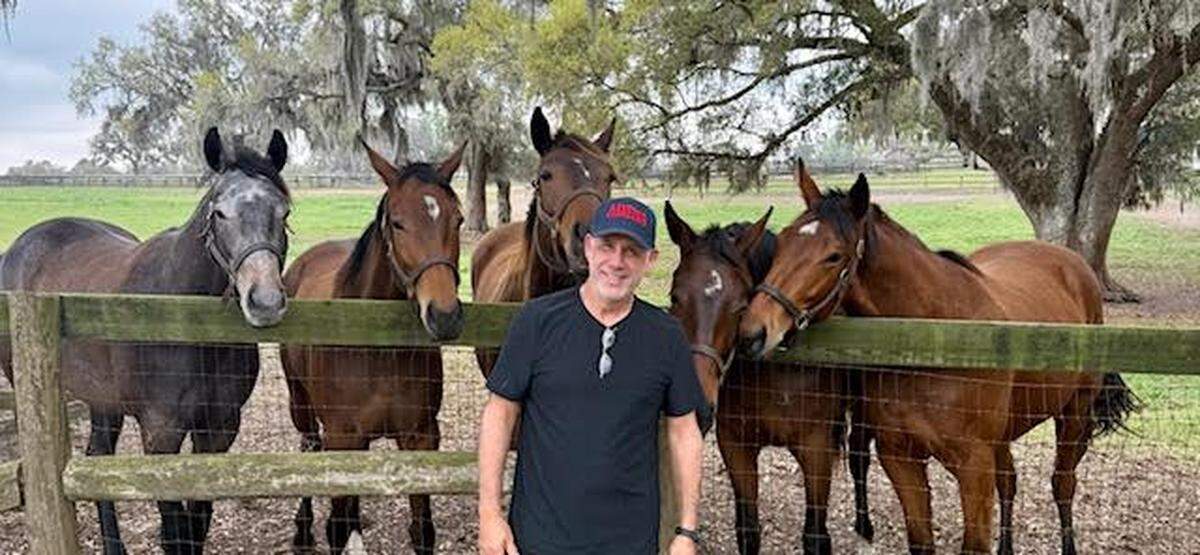
This issue has become personal for me. I’ve lived most of my life in Miami Beach, but my family and I have recently begun spending time in Ocala, where we’ve fallen in love with the rolling hills, rural beauty and the residents (people and horses alike) that define rural Florida.
We’re not the only ones — Marion County, home to Ocala, and other rural regions are fast-growing and critical to Florida’s future.
Thoroughbred racing is essential to that future, just like it is to our history. It’s woven deep into our culture. From the legendary Affirmed, the last horse to win the Triple Crown before American Pharoah’s 37-year drought-breaking victory, to stars like Holy Bull, Skip Away and Silver Charm, Florida-bred champions have cemented our state’s reputation as one of the world’s premier thoroughbred breeding and racing hubs.
The state’s horse racing legacy was built on the backs of the now-closed race tracks at Hialeah Park and Calder Race Courses, once vibrant meccas of the sport. Their closures as race tracks (they have casinos now) were direct results of previous decoupling efforts, stripping the industry of necessary racing opportunities and causing ripple effects across Florida’s agricultural and economic sectors.
House Bill 105
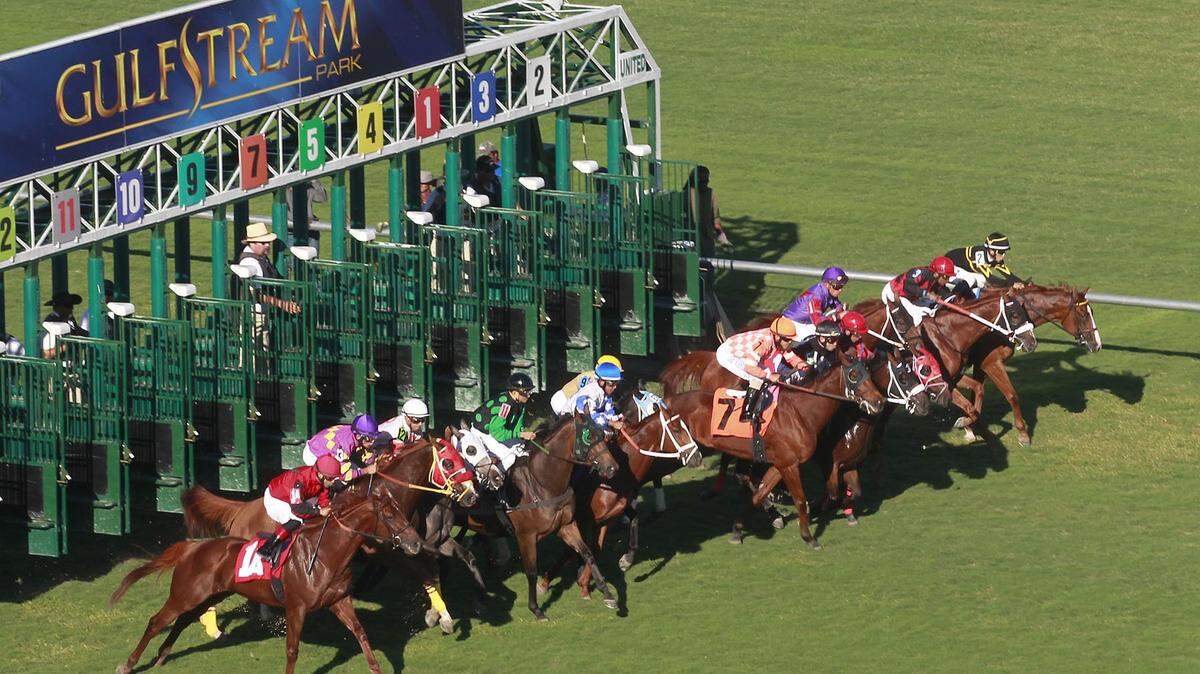
If House Bill 105 passes without a solution for thoroughbred racing, we will set up a tragic domino effect: first the decline, then the eventual collapse of Gulfstream Park and Tampa Bay Downs — the last two major thoroughbred racetracks in the state.
Once they’re gone, the thoroughbred industry and its 33,500 jobs will head to Kentucky or elsewhere, along with the resulting in tourism revenues and other economic benefits to our state.
Fortunately, Tallahassee has some excellent leaders who understand the importance of protecting and growing Florida’s rural economy. Commissioner of Agriculture Wilton Simpson, House Speaker Daniel Perez (R-Miami) and Senate President Ben Albritton (R-Wauchula) have all worked to create more economic incentives and opportunities for rural areas.
Albritton, for example, helped lead a significant investment in Florida’s agricultural industry, including horses raised, trained and raced in the state. But those investments will be for naught if the decoupling bill passes, which is why we need all of these leaders to work together to find a solution.
Anyone who has been to a horse race knows there is nothing like the thunder of hooves and the roar of the crowd as these magnificent animals draw toward the finish line. This issue is about the economy, yes — but it’s also about our culture, our history and our future.
Let’s not send our equestrian residents packing to Kentucky. Let’s keep them right here in the Sunshine State where they belong.
Philip Levine, a cruise industry entrepreneur, is a former two-term mayor of Miami Beach and onetime Democratic candidate for governor of Florida.