
In 30 years of work in Haiti, I’ve ‘never seen such suffering.’ US must reconsider TPS | Opinion
.JPG "Haitians in Port-au-Prince took to the streets in demonstrations on Thursday, February 20, 2025,")
I have visited Haiti three times during the past 18 months as the United Nations Designated Expert on Haiti. On each visit I saw a serious increase in human rights violations and abuses. In over 30 years of working on Haiti, I have never seen such suffering.
Rampant gang violence is the No. 1 reason for this human rights catastrophe. According to figures verified by my colleagues of the U.N. Human Rights Office, over 5,600 people were killed, mostly by violence perpetrated by Haiti’s ruthless gangs in 2024. This marked a significant increase from the previous year.
Victims of injuries by gangs also increased, as did the amount of territory they control. Rape and sexual violence have grown to such an extent that the U.N. Human Rights Office has stopped providing statistics because they know whatever figure they give will be misleadingly low. Gangs use sexual violence as a way to terrorize the population and show who is in control.
The number of internally displaced persons, IDPs, has quintupled since my first visit to the country in June 2023. Now the figure is well over a million people forced to flee their homes because of the violence. One in 10 Haitians is now displaced, among the highest percentages in the world. Half of the displaced are children. One young girl I interviewed in a camp for IDPs in Haiti said she had not gone to school for two years and another girl said she had not eaten for two days,
The government of Haiti has limited capacity to support these people who live in overcrowded and unsanitary sites. Access to food, clean water, toilets and showers is minimal to non-existent. Sexual violence and abuse is rife in the camps with women and girls subject to collective rape, forced prostitution and trading sex for access to humanitarian aid.
The violence has also affected children’s ability to attend school. In many gang-controlled areas, most schools are closed because it’s too dangerous for children and their teachers to travel. Schools are no longer schools but have become camps for the displaced. According to UNICEF, an estimated 1.2 million children live under the constant threat of gang violence.
Gangs’ attacks on hospitals, clinics and other medical facilities have further eroded what was always limited access to health care for Haitians. Close to 70% of all medical facilities in the capital are not functioning. Doctors, nurses and medical technicians have been kidnapped and held for exorbitant ransoms or murdered.
Because the gangs have a stranglehold on all the major access roads in the capital, medical supplies, drugs and equipment are in short supply and expensive. On my visit to the southern peninsula, far from gangs, I met hospital officials who told me they have no supplies: patients must bring everything needed for a procedure, assuming the hospital has fuel for its generator because there has been no electricity for over two years.
The World Food Program has found that half the population faces acute hunger, one of the highest per capita proportions of food insecurity in the world. Some areas of territories controlled by gangs have endured levels of hunger never before seen in the Western Hemisphere.
Port-au-Prince is a large open-air prison. Cut off by air, land and sea, people are at the gangs’ mercy, which is in short supply. The Haiti National Police are outnumbered and outgunned by the gangs. The Kenyan-led Multinational Security Support, MSS, mission does its best but does not have the logistical and financial support it requires to implement its mandate successfully. Neither force has combat helicopters or attack drones, essential to dislodging the gangs from their well-entrenched redoubts.
Given the acute level of violence in Haiti, no country can guarantee that Haitians can be returned in a safe, dignified or sustainable manner. Haitians, wherever they are in the world, require protection. I urge the U.S. administration to reconsider its decision to shorten the period of Temporary Protected Status for Haitians.
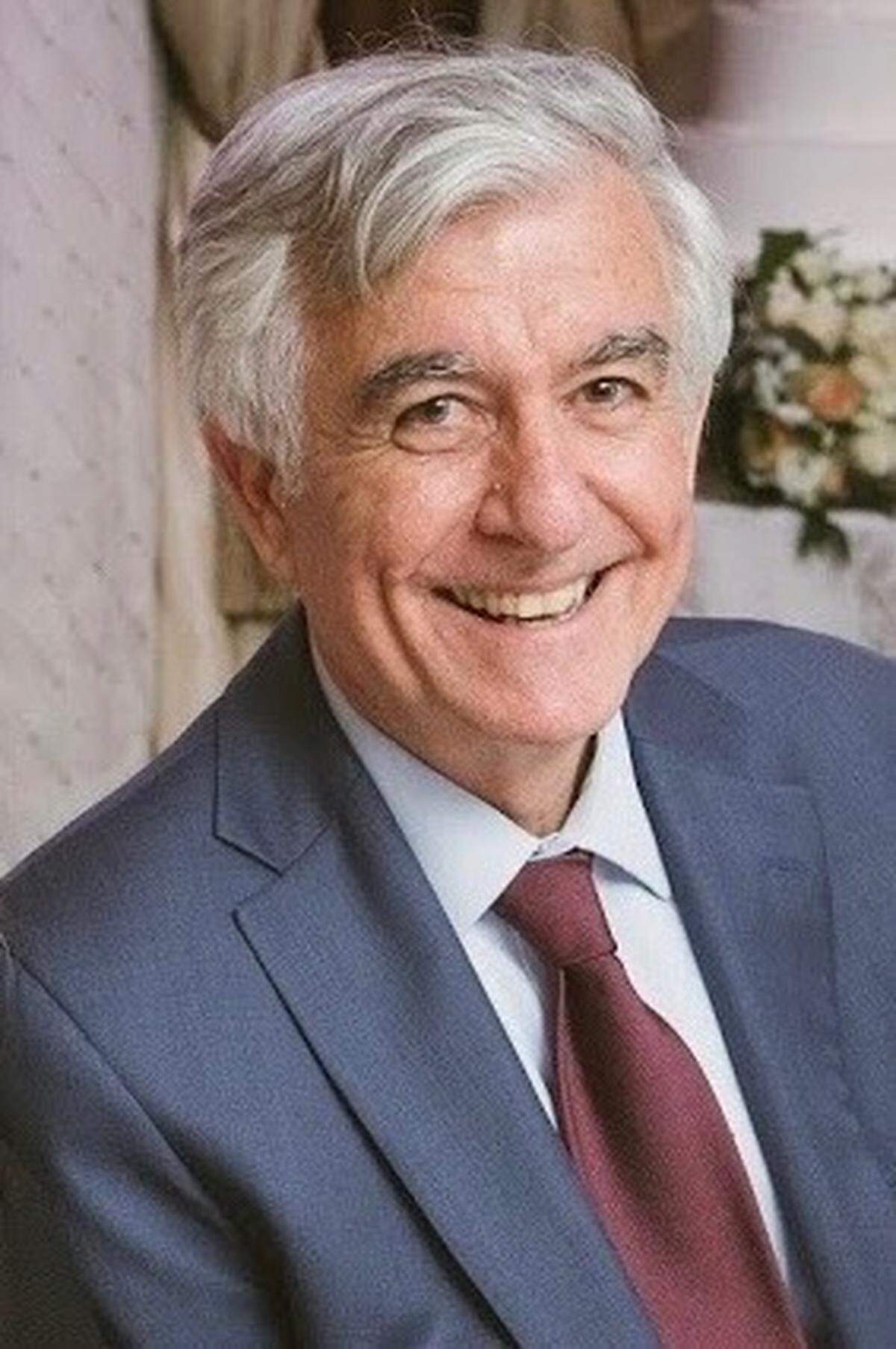
William G. O’Neill was designated as an independent expert on human rights in Haiti in 2023 by U.N. High Commissioner for Human Rights Volker Türk. O’Neill previously headed the legal department of the U.N./Organization of American States Mission in Haiti and helped establish the Haiti National Police in 1995. O’Neill lives in Brooklyn.
This story was originally published February 21, 2025 at 9:30 AM.