
Bird flu is in Florida and across the region, but we can combat it with these steps | Opinion
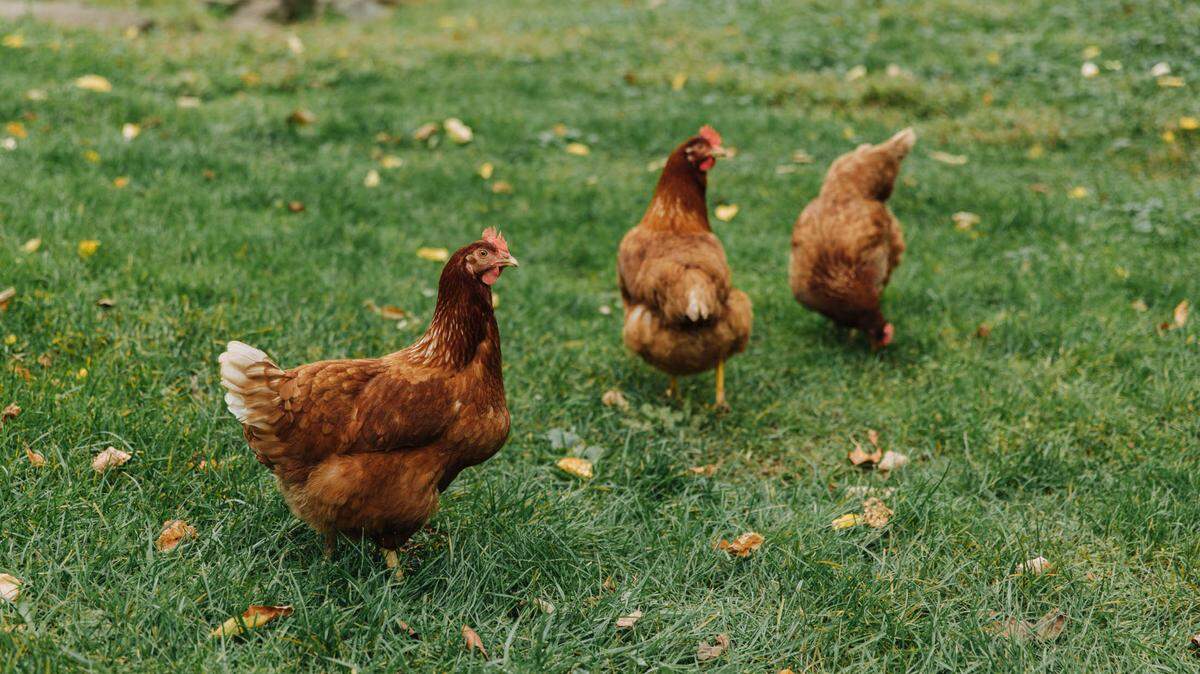
The surge in new bird flu cases in the United States raises a host of questions. How dangerous is the virus? Can it spread between people? Will it affect our food supply?
Although there have been cases in humans, the risk to people in the U.S. remains low. However, concerns that bird flu is entering a troubling new phase are not unfounded.
Since 2022, bird flu cases have been reported in more than 35 counties in Florida, including Miami-Dade and Broward. This year, there have been outbreaks in backyard flocks and live bird markets.
Outside the U.S., cases recently surfaced in birds in Argentina, Panama, Peru and Puerto Rico.
The agency I lead, the Pan American Health Organization, was founded in the U.S. in 1902 to promote commerce by controlling the spread of disease. We worked with the U.S. and other countries to rid our region of smallpox and polio and have been responding to health emergencies for more than a century.
This raises another question: What more can be done to protect people and the agricultural industry in the U.S. from an outbreak of bird flu or another infectious disease?
One of the answers may surprise you, because it lies in helping people in neighboring countries access medicines and vaccines more quickly at prices they can afford.
Just five years ago, our response to COVID-19 was jeopardized for this very reason. Many of our neighbors in Latin America and the Caribbean lack the capacity to produce health products at scale, and the few that do, produce them for use domestically.
This forced countries to rely on medicines manufactured in foreign markets. With so many unable to access these products, COVID spread more quickly and crashed health systems and ground economies to a halt.
It’s not difficult to imagine this scenario playing out with another disease.
Let’s use bird flu as an example. There is a vaccine that can help protect people, but making it is complicated, so production is slow and difficult to scale.
While the U.S. has a stockpile of doses, if the disease began circulating among humans, there would be a rush to produce enough vaccine to meet the needs of people from Miami to Seattle.
The situation would be far more desperate in countries without the capacity to manufacture vaccines. Once again, the entire region, including the U.S., would be at grave risk.
There are steps we can take to protect all countries in our region by ensuring high-quality health products are available and affordable, including new ones that come to market.
We can start by building manufacturing capacity in countries throughout the Americas. This would bring health products closer to where they are needed and reduce dependency on foreign markets. It would also shorten supply chains and create new markets for U.S. companies.
The best way to do this is to build partnerships with the private sector. PAHO recently partnered with Pfizer, Sinergium Biotech and the government of Argentina to expand access to a new vaccine that protects against pneumonia and meningitis.
The transfer of Pfizer’s technology will make more vaccines available to the region and enable Pfizer to expand into new markets. This model can be applied to other innovations, including those developed to counter health threats like bird flu.
We can also incentivize countries to buy health products from within the region. This includes pooled procurement initiatives and other market shaping strategies that lower prices.
There is much we still don’t know about bird flu. Health officials will continue to track its spread, learning more every day about how the virus evolves and whether more people could be at risk.
We know that diseases aren’t bothered by lines on maps. That’s why it’s in our best interest to ensure everyone — in the U.S. and throughout our region — has access to the health products they need.
Jarbas Barbosa is a public health expert from Brazil currently serving as the director of the Pan American Health Organization and regional director for the Americas of the World Health Organization.
This story was originally published February 25, 2025 at 11:16 AM.