Florida’s “homestead hostages” hold the key to housing crisis relief | Opinion
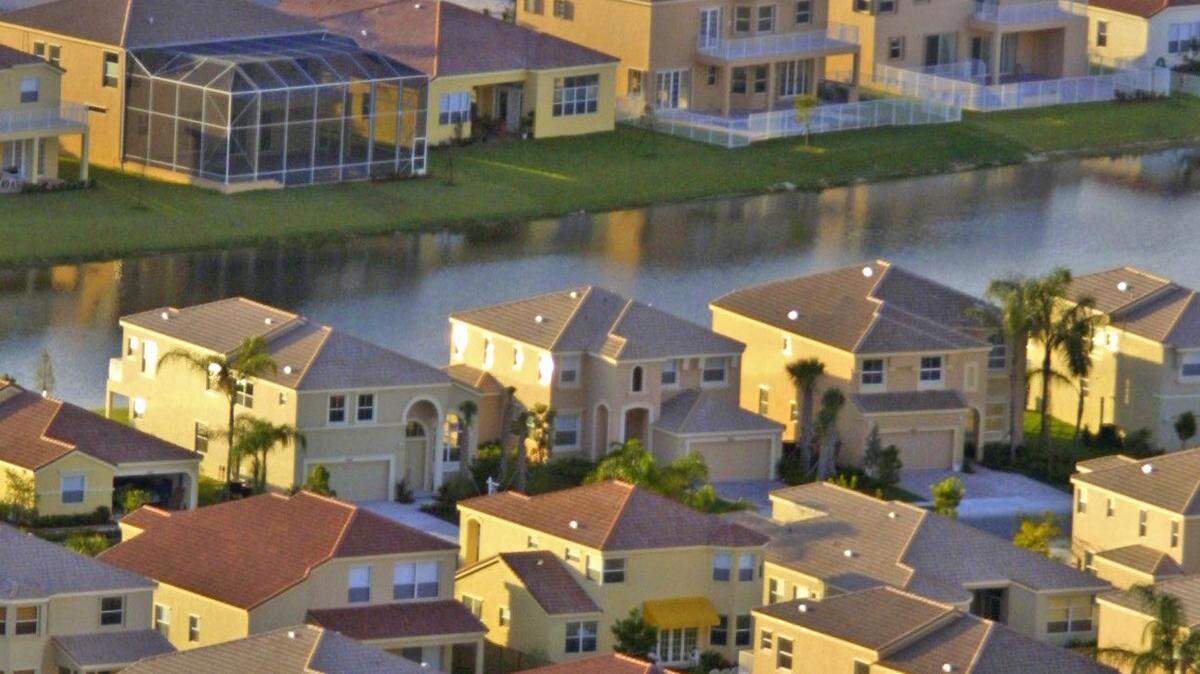
A pair of empty nesters want to downsize but decide not to sell, causing a young couple to miss out on their dream home.
A single mother struggles to afford home insurance but doubts whether she can afford to move. A middle-aged couple faces rising condo fees but feels trapped in their costly high rise.
Meet Florida’s homestead hostages — the countless homeowners in our state who decide not to sell out of fear of giving up their property tax status.
It’s a costly unintended consequence of our homestead tax exemption, which caps annual increases in assessed property value for primary residences.
In general, the longer you’ve lived in your home, the less you pay in taxes relative to the value of your property, and the less you’ll want to move.
Take the hypothetical empty nesters mentioned above. They bought their South Florida home for $300,000. Today it is worth $1.3 million.
But thanks to the exemption, they are only taxed on an assessed value of over $500,000. If they move, they can transfer only part of their roughly $800,000 tax assessment savings.
Knowing their property taxes will skyrocket if they purchase a new home with a significantly higher tax assessment base, they reluctantly stay put.
Many Floridians feel frozen by this confusing disincentive to move. But it doesn’t have to be this way.
A simple change in the law would free the “homestead hostages,” juice our economy and help alleviate three crises gripping our residents: the housing shortage, insurance affordability and the condo crisis.
Here’s how it could work: The state could allow homeowners to transfer their full tax benefit — or as much of it as they wish — to their next home as long as it is purchased within 12 months of selling.
To offset potential revenue loss for local governments, the state could implement a graduated fee structure, charging a one-time up-front fee based on how much of the exemption is transferred.
With this change, our empty nesters could buy a new $1.3 million home, and instead of seeing a large increase in their taxable property value, they could transfer their entire $800,000 homestead exemption to keep their property taxes roughly the same.
To do so, they simply need to pay a to-be-determined fee — let’s say 2% of the savings they transfer. That’s a tiny amount, given the equity they’re cashing out with selling their current home.
This would have untold positive ripple effects on our economy. It would free up new housing stock, empower people to cash in their home equity and inject it into our economy, and allow those who are beset by high insurance costs to sell.
On top of the benefits to residents, it would almost certainly lead to higher revenues for state and local governments. Not only will the one-time fee help offset the lower property taxes, but so will the higher volume of transfer taxes and other fees that accompany real estate transactions.
And think about it: Many of the homes sold by “homestead hostages“ will be bought by non-homestead hostages (such as New Yorkers moving to Florida), who will be happy to pay taxes on the full newly assessed value.
Real estate markets need to churn in order to be healthy. They need a constant stream of both buyers and sellers — whether it’s people moving from higher density cities, or retirees heading to the Villages and creating new ownership opportunities for young families.
That’s how states thrive, and Florida needs it right now.
As of March of last year, closed sales for all property types in Florida declined by 12.2% year-over-year. There are multiple reasons for the cooling market, but the disincentive created by the homestead exemption is the easiest to fix.
It is a bipartisan opportunity that should appeal to pro-growth Republicans and also my fellow pro-capitalism Democrats.
The exemption was, and still is, an excellent policy for our state, but it’s time to make this simple adjustment to unleash the full potential of the Florida economy.
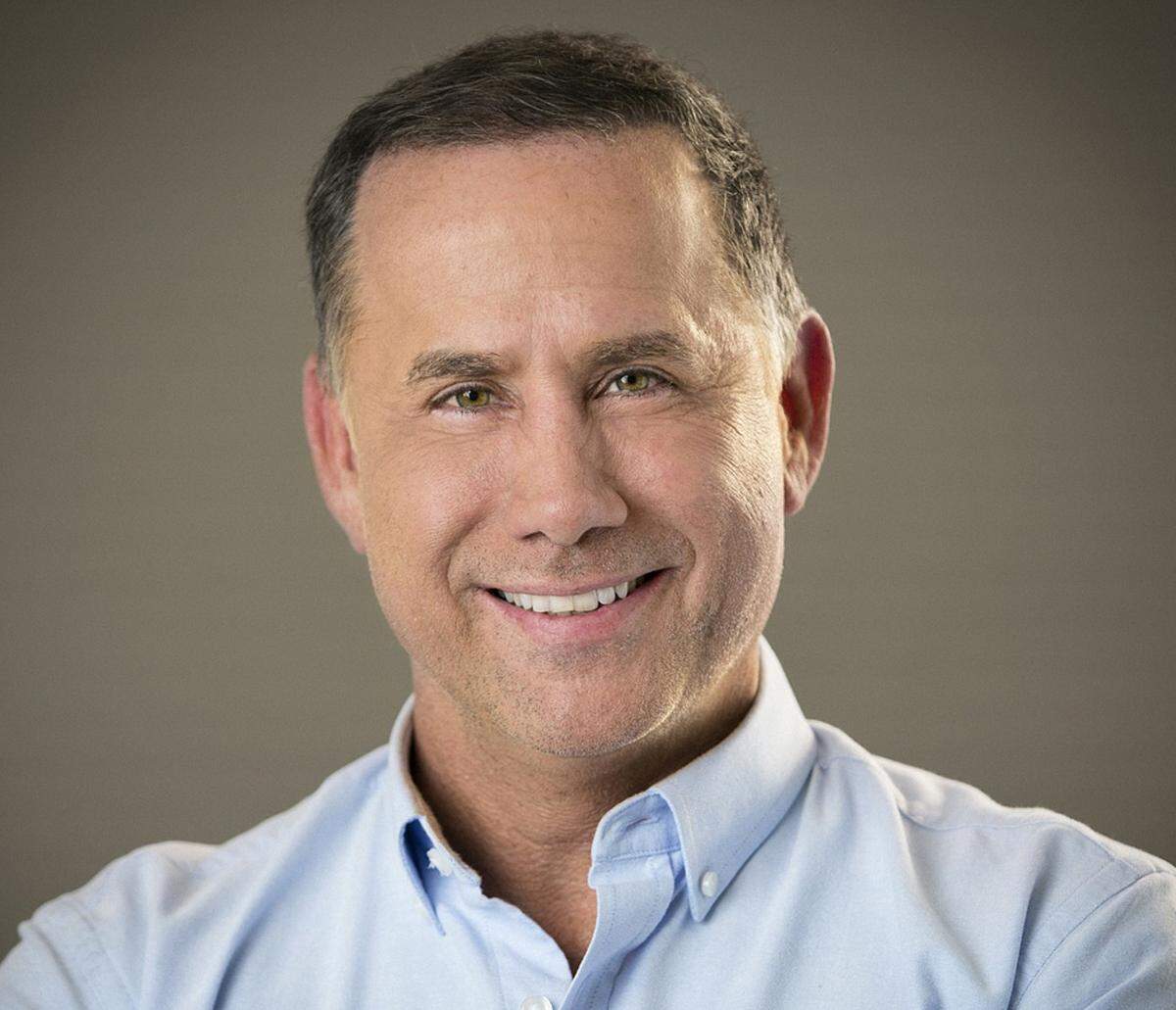
Philip Levine, a cruise industry entrepreneur, is a former two-term mayor of Miami Beach and a one-time Democratic candidate for governor of Florida.