Time to hear the “state” of governments in Florida. Here’s how to do it effectively | Opinion
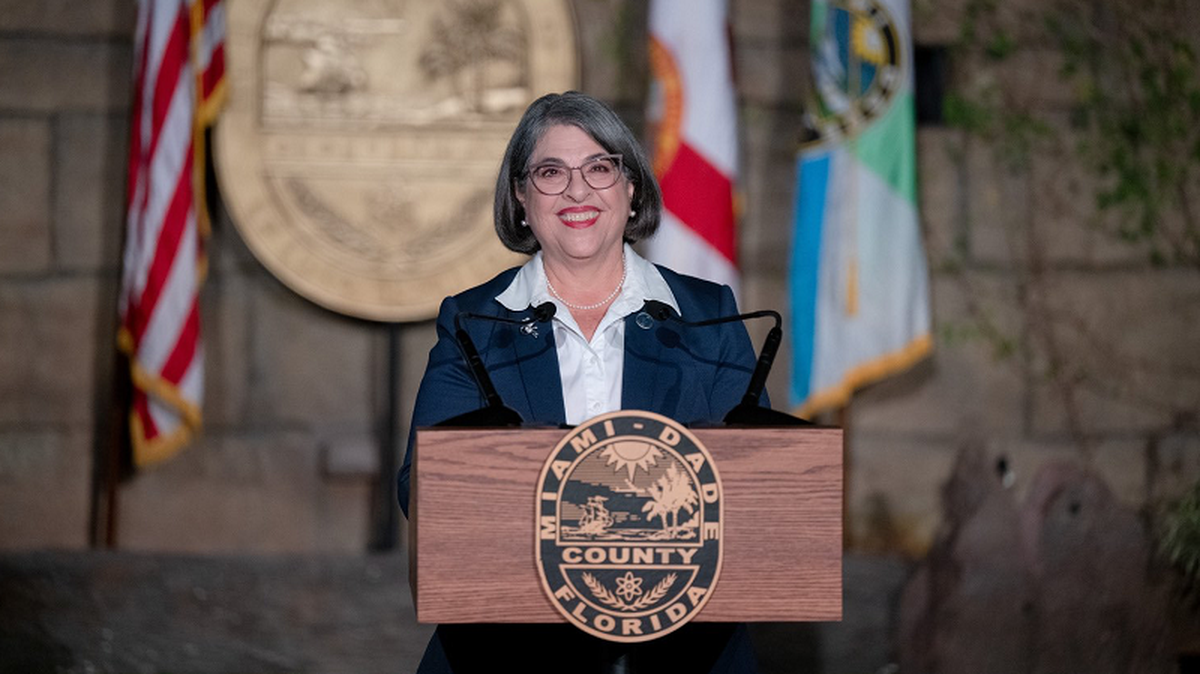
January is the time of the year when state, county and municipal leaders are required, by charter or custom, to report the state of the government they serve across Florida.
From Miami-Dade to Tallahassee, each elected executive must face their colleagues and constituents on what they’ve done and will do in the year ahead. The speech is called the “state of the city” or the “state of the county” or the “state of the state.”
Past addresses have mixed high drama with dry statistics. Still, each offers an opportunity for an elected executive to outline a vision and set the tone, to draw distinctions or demolish arguments, and most importantly — to frame the future for all of us.
It is no different locally. Miami — through its Miami-Dade County incarnation and its many municipalities — offers an opportunity much like many other metropolitan areas.
While each elected executive stands at a different point in their political term, all must present a vision relevant to their voters, reflective of their time in office and focused on the concerns of their voters.
As one who has drafted and framed policies and arguments at various levels of government in Florida, let me suggest a useful framework by which to grade and assess the speeches made this month by our elected executives:
▪ Know where you stand. Each elected executive has an opportunity to take stock of their accomplishments, shortfalls and the rapid transformation of Miami as a city, county and community. They need to explain why their policies mattered—from resilience, tech, tax cuts, COVID-19 and crime reduction — and why those policies still matter.
Every public servant needs to meet people where they are, connecting their decisions to their lived reality. A successful address must start from that point. It must acknowledge reality, face what voters are feeling and offer them a real path for the future ahead.
▪ Champion your successes and confront your failures. This is the most important yet most uncomfortable part of any speech for any elected official.
While optimism is considered a “force multiplier,” authenticity is the foundation of any trust or credibility between an elected executive and voters. No one is perfect, and no voter expects their elected official to be so, but they expect you to be honest.
In an era of fake news, be real, be imperfect and be humble. Talk about your achievements and connect them to the achievements and dreams of your voters. Thank your voters for letting you serve, and talk about your failures; don’t hide from them, because you can’t. But if you acknowledge them as lessons learned that have made you better prepared for solving new problems, then that is an achievement itself.
▪ Draw contrasts and define arguments. This is arguably the most important part. If you don’t stand for something, you will fall for anything. Governing means choosing and staking out what you believe in policy and prose. It’s a brand, and brands are shaped by where you stand and what you fight for. The challenge is to stake out what you are for, why you believe it, and why others should too. Some cover their arguments with logic and statistics; but the strongest argument comes from a heartfelt story. Honest truth telling, sound reasoning, seasoned rhetoric with genuine care — and courage — always win the day.
▪ Frame it forward. Ex-President Bill Clinton liked to tell people that all elections are about the future. The same can be said about every formal address or speech: they are about the future. They celebrate where we have been in order to understand where we are. And from establishing where we are, we can then decide where we want to be. Every inspiring or effective speech points us toward a future.
Knowing where you stand, highlighting what you’ve done and defining your direction in contrast to others prepare and point listeners toward the future any elected executive seeks to build.
This framework is especially useful following a contentious presidential election whose impact is still unfolding at the state and local levels. Miami — in both its county and city iterations—is in the midst of a generational moment — where the next generation now assumes leadership from the past one.
This moment welcomes new voices, new views, and new ideas shaped by a new generation — that not only speaks English, Spanish or Creole — but can speak the shared language of everyday people and their dreams. And when you speak that shared language, with humility, courage and care, people will follow.
Jeremy Schwarz is managing director at FTI Consulting, a global business consulting firm based in Miami. He previously served as chief of staff and general counsel/senior advisor to Miami Mayor Francis Suarez.