
Setting the record straight about the Mariel generation | Opinion
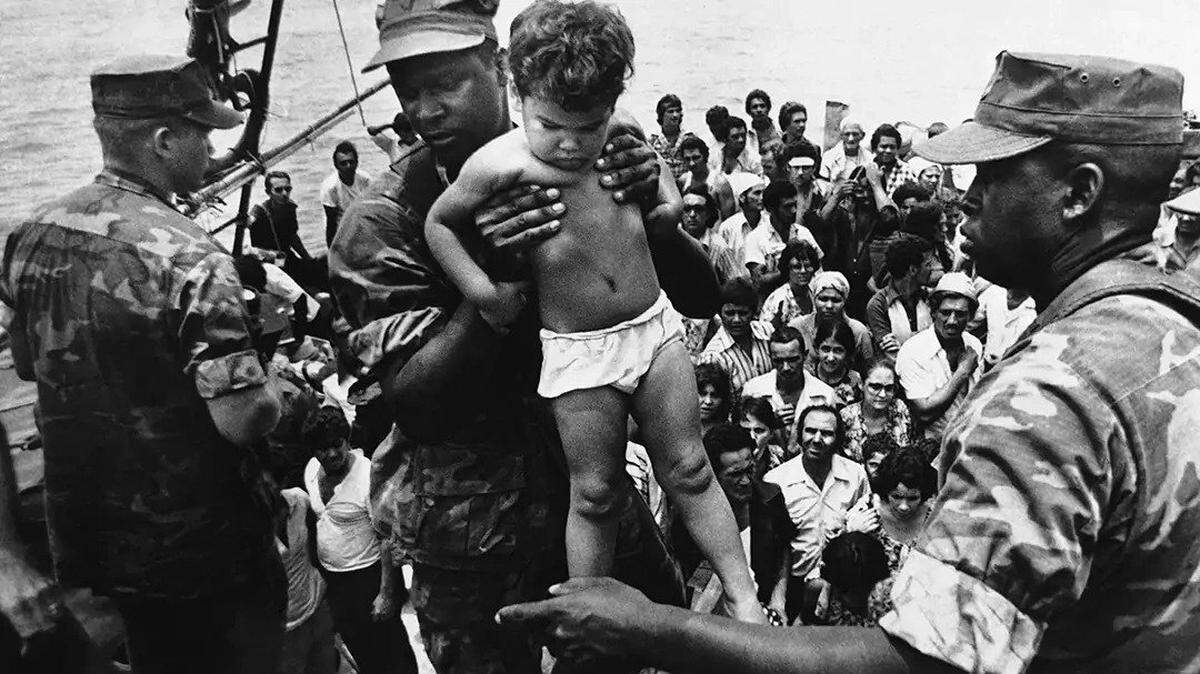
In 1980, then-President Jimmy Carter welcomed 125,000 Cuban refugees to the United States as part of the Mariel Boatlift. This unprecedented migration accomplished in just a few months embodied the resilience and ambition central to the American Dream.
Yet, despite their contributions, the legacy of the “Marielitos” has long been tarnished by false narratives and harmful stereotypes.
Recently, a front-page article in the Miami Herald on the death of former President Carter mischaracterized the Mariel refugees by stating that “many of them were criminals.”
Forty-five years later, this statement still perpetuates a harmful myth that does a great disservice to the overwhelming majority of Mariel refugees.
Facts About Cuban Exiles (FACE), a Miami-based nonprofit organization founded in 1982 to combat such misrepresentations, categorically refutes this claim.
The Cuban communist regime, eager to deflect blame for its own oppressive policies, labeled the Mariel refugees as “escoria” and “antisociales.”
To strengthen this narrative, Fidel Castro forced boat captains arriving from Florida to the port of Mariel to take a small number of hardened criminals and individuals with mental health challenges . The majority were political prisoners detained for crimes against the revolution. All were placed on boats to Key West alongside thousands of ordinary Cubans. What’s clear is that all were seeking freedom.
alongside thousands of ordinary Cuban citizens.
These isolated cases unfairly overshadowed the tens of thousands who came to America seeking freedom and opportunity.
The refugees faced unprecedented challenges upon their arrival. At the time, Miami, led by Mayor Maurice Ferré and Metro-Dade County Manager Merrett Stierheim, worked tirelessly to accommodate the influx.
Volunteers rallied at Tamiami Park and at the old Orange Bowl, providing food, shelter and jobs for the new arrivals. Cuban-American families opened their homes, and organizations like Reenlace, founded by one of us (Aida Levitan), helped integrate the new arrivals into the community.
This extraordinary response exemplifies Miami’s spirit of compassion and unity.
Despite facing discrimination, the Mariel generation persevered. Today, their contributions to American society are undeniable. Artists like Carlos Alfonzo and writers like former Miami Herald reporter and Pulitzer Prize-winner Mirta Ojito have enriched our cultural landscape.
Entrepreneurs like Mario Murgado, a Cuban immigrant who arrived as a child and built the Murgado Automotive Group, demonstrate the power of determination and hard work.
These individuals and countless others have revitalized Miami’s economy, culture, and civic life. Unfortunately, the term “Marielito” has too often been wielded as an insult, perpetuated by negative media portrayals such as those in the movie “Scarface.” This is not only unfair but diminishes the triumphs of a community that has done so much to enrich American life.
As FACE has long argued, it is time to abandon these outdated stereotypes and recognize the Mariel generation for what they truly represent: resilience, ambition, and a commitment to the American Dream.
Decades later, the lessons of the Mariel generation remain profoundly relevant. They remind us that immigrants are not a burden, but a gift to this nation. They bring fresh energy, diverse talents, and an unrelenting pursuit of freedom.
President Carter’s decision to welcome the Mariel generation was the right one. Their journey from persecution in Cuba to success in America stands as a testament to the values of integrity, determination and community.
It is up to all of us to honor their legacy by rejecting harmful stereotypes and celebrating the contributions of immigrants.
The Mariel generation’s story is one of triumph over adversity. It is a story of human resilience and the enduring power of hope.
Let us remember it, honor it, and share it with the next generation.
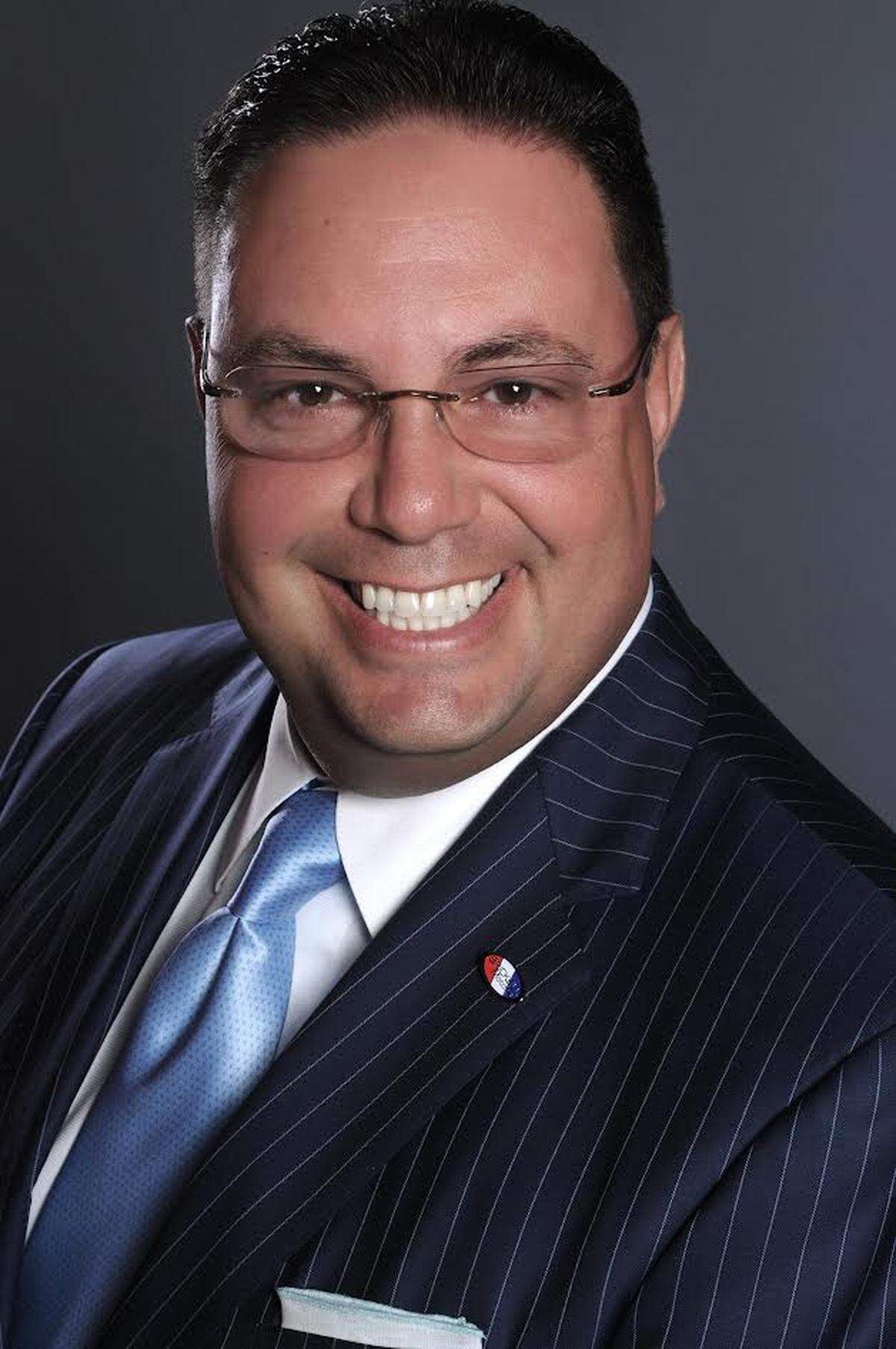
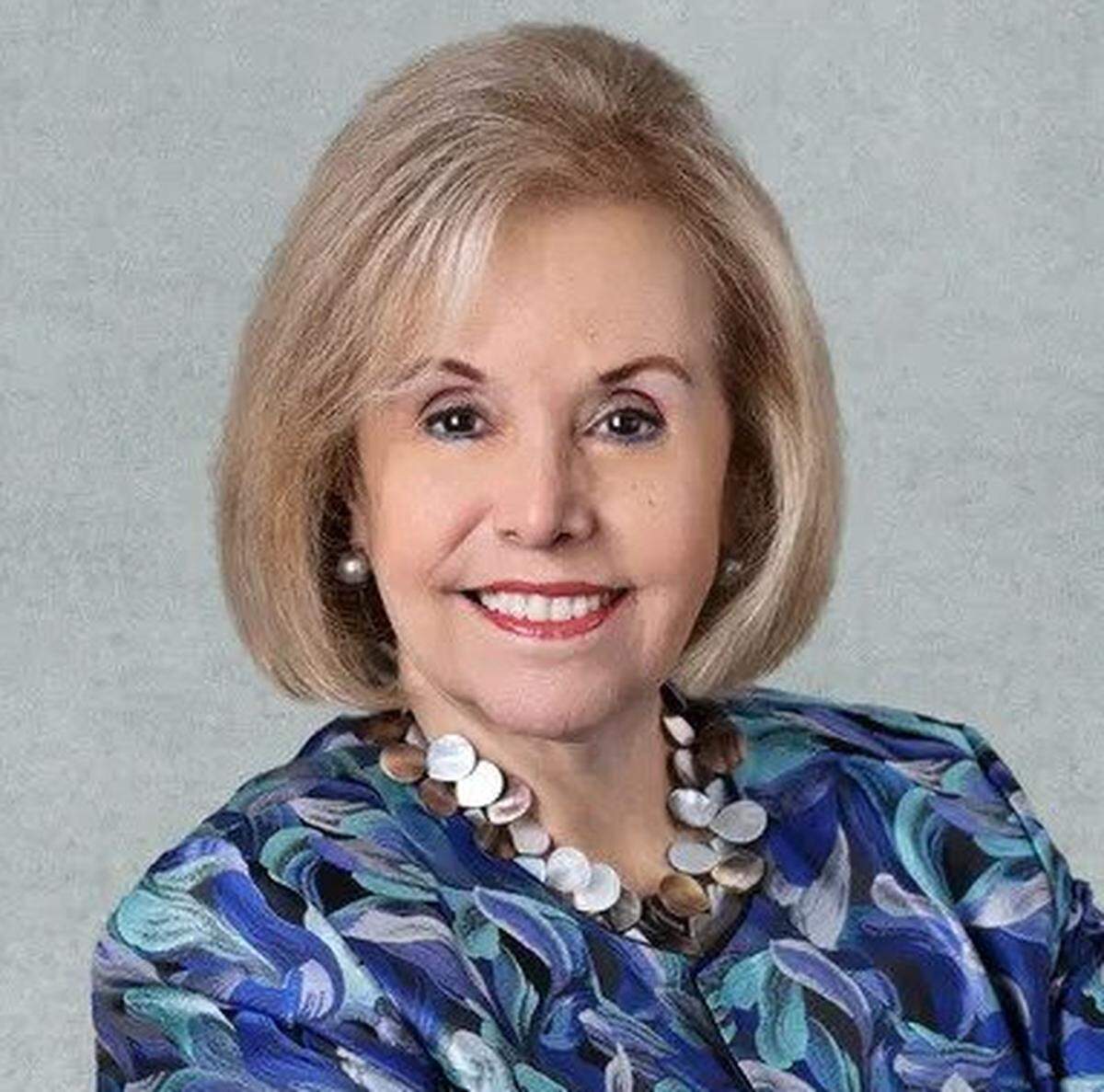
Mario Murgado is the current chair of FACE. Aida Levitan is the organization’s past chair.
This story was originally published January 11, 2025 at 6:51 AM.