
Churches are helping Cubans through dire times | Opinion
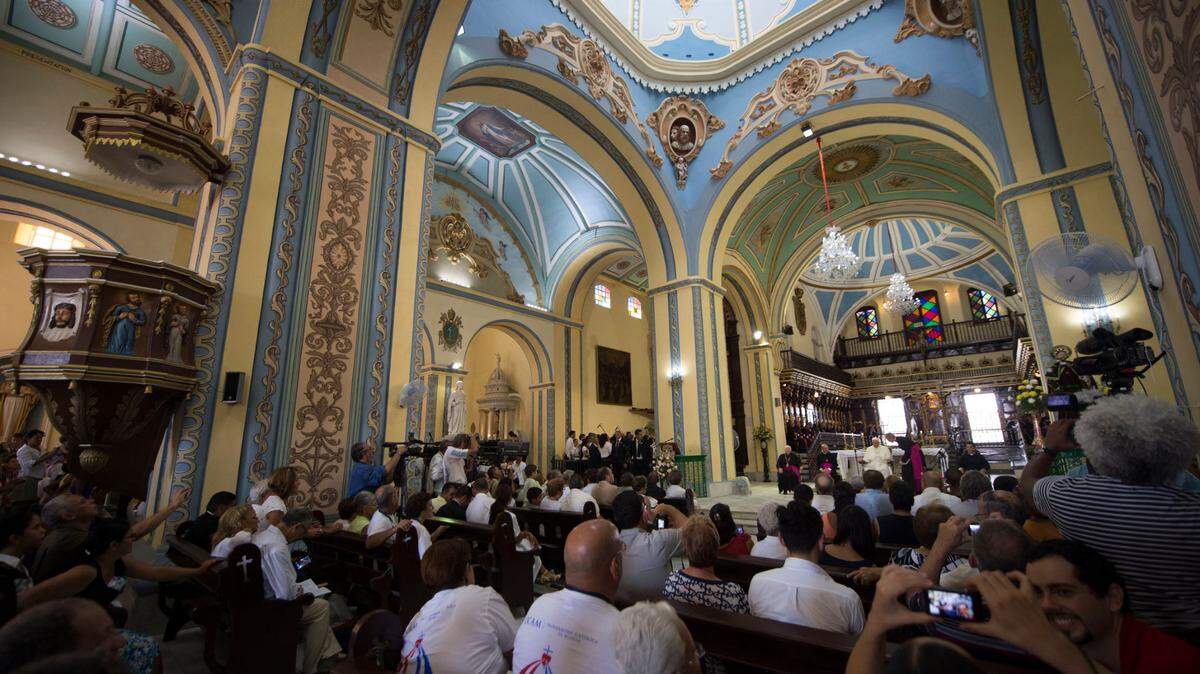
A quiet but significant gathering took place in Camagüey, Cuba last month. A group of evangelical pastors from across the island convened in secrecy to address the island’s escalating political, social, economic and human rights crises.
Their goal was to craft a declaration signed by over 60 church members of the Alliance of Christians of Cuba (ACC) that highlighted their communities’ urgent challenges.
“We are witnessing severe difficulties and strive to bring hope to the most vulnerable: the elderly, children, women, men, and family members of political prisoners who suffer the absence of their loved ones simply for exercising their rights,” the declaration states.
This poignant message resonates deeply during December, Universal Human Rights Month, in shedding light on the critical role of faith communities in Cuba’s ongoing fight for freedom and dignity.
Role of churches in Cuba’s survival
Churches have long been a lifeline for the average Cuban. A midst economic collapse and natural disasters, foreign ministries have provided humanitarian aid through church networks, distributing food, medicine and even toys.
Yet, their support goes beyond meeting material needs. Since 2018, the evangelical community has spearheaded initiatives opposing totalitarian policies and advocating for political prisoners. Rooted in faith, these actions have made churches targets of government reprisal.
International organizations, including the United Nations Human Rights Council, Amnesty International and Christian Solidarity Worldwide (CSW), have documented the ongoing persecution of religious leaders in Cuba. CSW reports harassment, threats, fines, and imprisonment of clergy.
Children of faith are bullied in schools, and congregations are pressured to ostracize families of political prisoners. Both registered and unregistered religious groups — representing most Cuban Protestants — operate under constant threat.
State control of faith
The Cuban government projects a facade of religious tolerance through state-controlled entities like the Cuban Council of Churches. Behind the scenes, the Office of Religious Affairs (ORA), an arm of the Communist Party, wields unchecked power to regulate religious organizations, restrict foreign travel and approve worship construction. This tight control suppresses independent faith groups, leaving them vulnerable and marginalized.
The ACC Declaration laments these restrictions, particularly as Christmas approaches, a time when churches traditionally mobilize to provide hope and assistance. The grim reality is clear: 89% of Cubans live in extreme poverty, and over 1,000 political prisoners languish in cells, denied even the basic right to religious visits.
A dire situation
Cuba’s crises extend far beyond religious persecution. Economic hardship, food and medicine shortages, energy instability, and a collapsing transportation system have created a humanitarian emergency.
The Central Bank’s depleted reserves, coupled with skyrocketing inflation, have rendered basic necessities unaffordable for most families. Prolonged blackouts and failing infrastructure worsen an already dire situation.
Adding to the strain is a mass exodus of Cubans. Over the past decade, the population has declined from 11.5 million to 10 million. This loss of confidence in governance—even among officials—has left the country teetering on the brink of collapse.
Hope amid adversity
Despite these challenges, there is hope. The Cuban people’s deep spiritual commitment is a testament to their resilience. While the government seeks to control faith, it cannot suppress the determination of individuals who place their belief in God above the state.
The international community must act. We call for the immediate release of political prisoners, including those jailed for their religious beliefs. Systematic reforms are necessary to restore dignity and freedom in Cuba. Faith-based organizations, international advocacy groups, and democratic nations must amplify their efforts to monitor religious freedom and support the Cuban people’s quest for justice.
As we observe Human Rights Month, let us remember Cuba’s faithful who continue to light candles of hope in the darkness. Their courage is a reminder that faith is a powerful force for change, even in the face of repression. Together, we can work toward a future where freedom of belief is not a privilege but a universal right.
Teo A. Babun is the president and CEO of Outreach Aid to the Americas (OAA), a nonprofit religious organization dedicated to serving vulnerable communities in the American continent through humanitarian aid, development and the defense of human rights. Babun is the author of numerous books, the most recent being “Faith and Freedom in Latin America.”
This story was originally published December 18, 2024 at 10:49 AM.