
As extreme weather intensifies, Trump administration can’t forget Florida farmers | Opinion
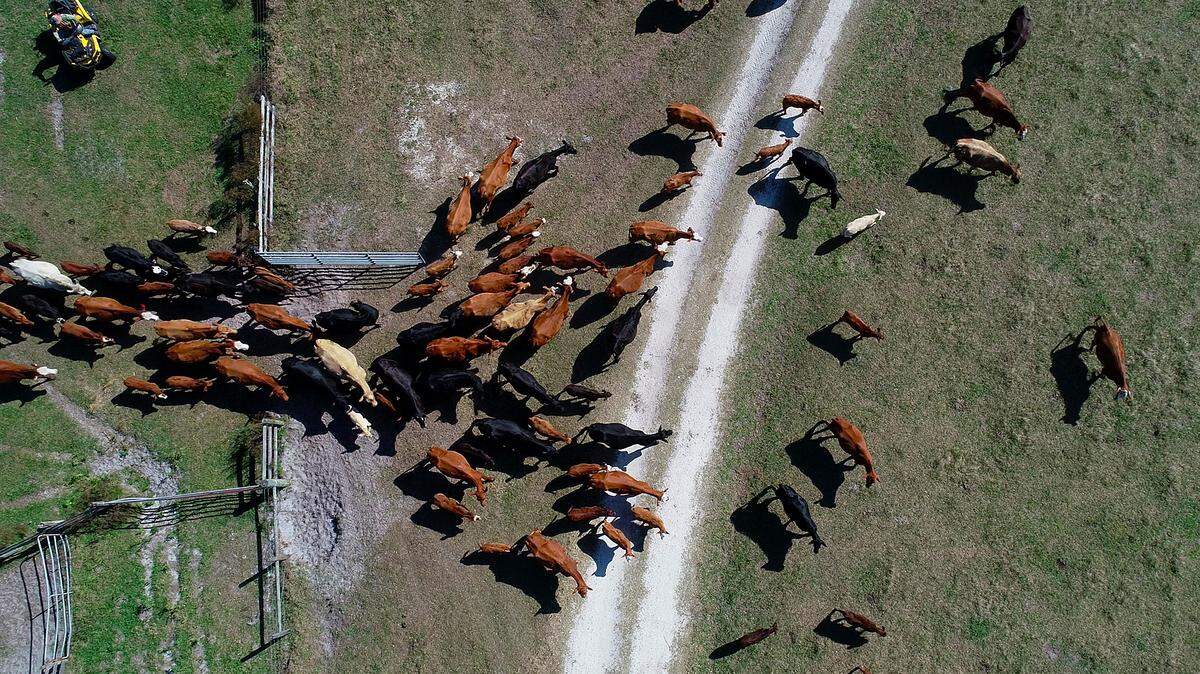
Another relentless hurricane season just wrapped up and farmers like me are taking stock of what we have, and what we’ve lost.
Here in Florida, we’re used to getting hit by tropical storms, but their increasing frequency and severity is getting harder to bear. Three hurricanes — Debby, Helene and Milton — made landfall in Florida this year, tying the record for a single season. All brought massive amounts of rain and caused damage from flooding and high winds.
At my cattle ranch in Central Florida, Hurricane Debby dumped more than 15 inches of rain in 12 hours, the biggest downpour I’ve ever seen in my 30 years of farming. My farm fortunately sits about 60 feet above sea level, but I have friends who were forced to evacuate their cattle in airboats to get them to higher ground.
While it’s too early to know the full extent of damage, Florida’s Department of Agriculture estimates that this year’s storms may cost the agricultural industry as much as $4 billion, with farmers facing “unprecedented financial strain,” according to Florida Commissioner of Agriculture Wilton Simpson.
While Hurricanes Debby and Helene hit livestock producing areas, as well as nursery and row crops, Hurricane Milton struck further south, causing catastrophic losses to Florida’s citrus crops, expected to be a record low this year.
Agricultural damages from hurricanes are in addition to devastating losses to life and property that have occurred across the Gulf and Atlantic coasts and further inland this year. The entire country watched in September as Hurricane Helene caused massive flooding and landslides in Appalachia, leaving more than 200 people dead. This is simply an unfathomable human toll.
Climate change is creating many other challenges, beyond severe storms. Florida’s scorching summers are becoming hotter and longer than they used to be, and these extreme temperatures are especially difficult for livestock. Warmer, more humid weather also creates active breeding grounds for insects and weeds, which hurts farm productivity and increases costs.
It’s not just farmers who suffer — consumers also feel the impact. For many of us, this whiplash at the grocery store is starting to feel all too familiar, after COVID-19, the Russia-Ukraine war and multiple extreme weather events contributed to food price spikes over the past few years.
Ultimately, farmers are fighting an ongoing battle, and they need more support to continue to produce ample, affordable food supplies in the face of greater challenges. There are things we can do to be prepared — something the new administration should keep in mind.
One important way to help farmers be more resilient is to invest in agricultural research, development and innovation. Drought-resistant crop varieties, new treatments for crop and livestock diseases and precision agricultural technologies that increase farm efficiency — these are examples of innovations that can make the difference between a good season and a ruined one.
Public institutions like land-grant universities, government laboratories and international research organizations like CGIAR play a key role in ensuring that farmers around the world get access to the right technologies.
In addition, public-private partnerships like the Foundation for Food & Agriculture Research (FFAR) can make funding spent on science go further. Since it was established, FFAR has been able to match every government dollar with $1.40 from non-federal sources, often from the private sector, making it a good use of taxpayer money.
With the new administration and with Congress continuing to debate the Farm Bill, it’s a timely opportunity to act. It’s important because farmers are also facing increasing competition in international markets. China and Brazil already outspend the U.S. on public-sector agricultural research, according to a recent report from Farm Journal Foundation, putting American agriculture’s competitiveness at risk.
At the end of the day, failing to invest in agricultural innovation may have significant consequences. The world now faces nearly unprecedented levels of hunger and malnutrition which, in addition to being a humanitarian crisis, can also lead to geopolitical risks that threaten our national security.
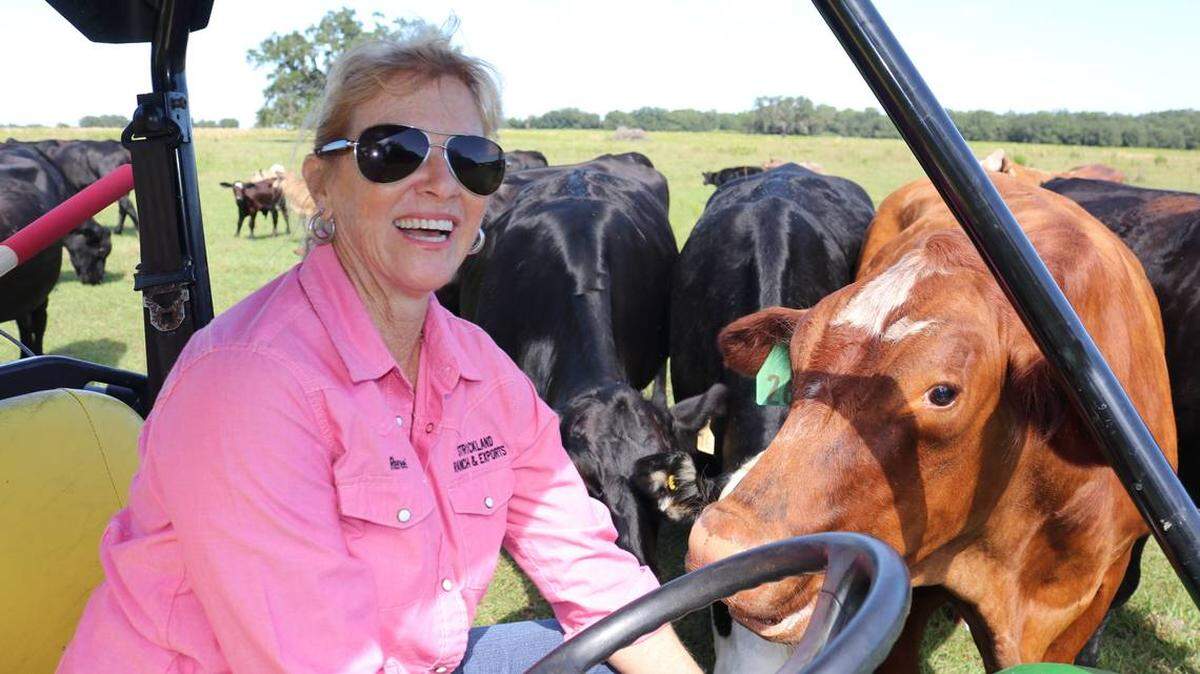
Renee Strickland is a fourth-generation cattle producer from Myakka City and a farmer ambassador with Farm Journal Foundation.
This story was originally published December 12, 2024 at 5:00 PM.