
Resilience to disinformation starts at home | Opinion
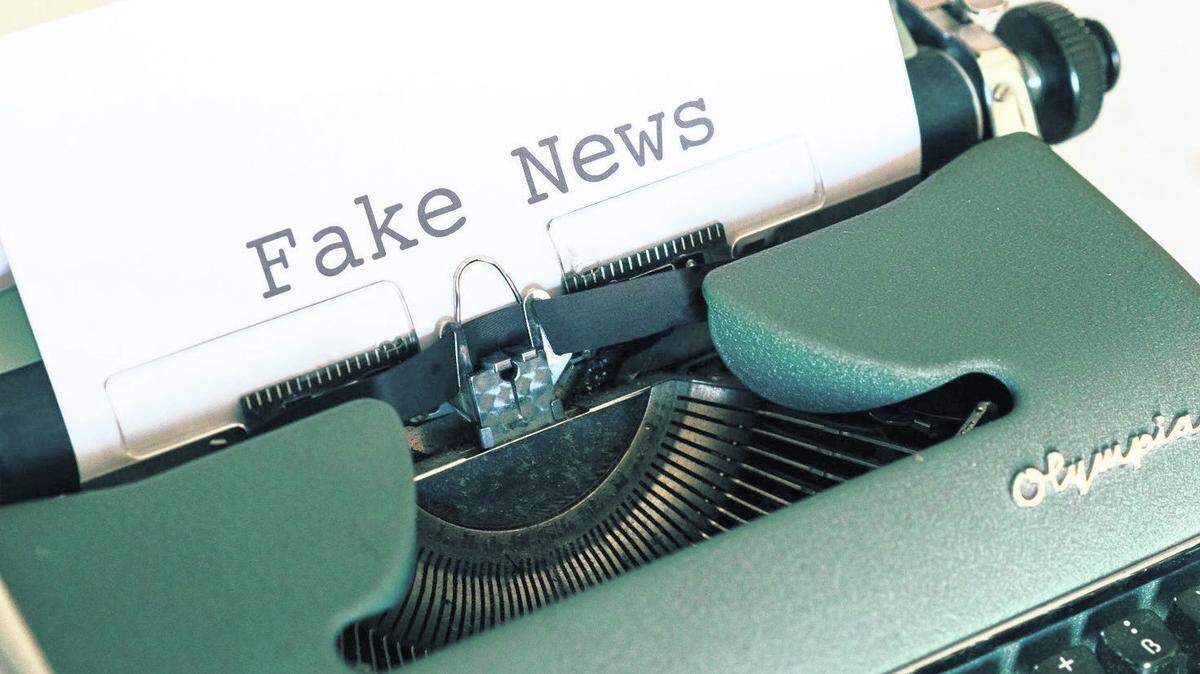
As we leave behind a pivotal election cycle—one noted for intentional falsehoods and the growing reach of generative Artificial Intelligence —and step into a daunting new political era, our vulnerability to disinformation may be at a peak.
But the threat of disinformation isn’t broad or abstract. It’s intimate—and so is a key part of the solution. Though there isn’t one fix to this issue, among the easiest and arguably most important things we can do is bring the conversation to our dinner tables, barber shops or book clubs—the spaces where we engage with those closest to us.
I’ve spent the last year crisscrossing between Miami, Phoenix and Dallas as a part of PEN America’s Disinformation and Community Engagement program, helping people have such conversations. The goal of PEN is to raise awareness for the protection of free expression in the U.S. and worldwide through the advancement of literature and human rights discussions.
PEN America’s advocacy includes work on educational censorship,[6] press freedom and the safety of writers, campus free speech, online harassment, artistic freedom, and support to regions of the world with challenges to freedom of expression.
Through community workshops hosted by local organizers, we’re piloting an initiative to train, organize and empower community members in these cities to have conversations they may once have avoided as too difficult and fraught.
Participants are also shown how to encourage those closest to them to broaden their news diets to become more resilient to the spread of false information. It’s working. “Trusted messengers” are engaging in these very conversations with people they know, based on what they learned in our workshops.
While trust in political and media institutions is on a steady decline, data suggests that Americans’ trust in friends and family has remained resilient—and we believe the approach we have taken shows promise, even as some divisions between us feel sharper than ever.
Among the people who have joined our training are first-time voters, educators, radio show hosts, emergency room nurses, librarians, students, community organizers, and faith leaders with beliefs spanning the political spectrum. I’ve seen a hunger among all these participants for accurate information and conversation that engages, reaching across dividing lines.
This work is not easy—and these discussions can be uncomfortable. In some cases, friendships are built atop foundations fragile enough to be shattered by the mention of the 2020 election, immigration, COVID-19 vaccines, or any other topic with a trending disinformation narrative.
However, community members have left our workshops, telling us they feel a new energy from the opportunity for shared community, affirmation, and yes, practice. This solution is more than an intellectual approach to disinformation resilience. It’s ground-up and personal.
It’s unlikely that minds will be changed or news diets completely diversified after one conversation. But the more committed we remain to working in our own communities and bringing our loved ones along, the more we can open them up to new ways of thinking. This is what disinformation resilience is about.
Research shows that people are more likely to be convinced of something by someone they know and trust—family and friends. As an organizer myself, I know this to be true.
Before joining PEN America for this initiative, I witnessed the power of community voices working on issue-based and electoral campaigns.
In recent years, many have embraced a method called “relational organizing,” which contrasts the standard cold-call and door-knocking approach to empower people as messengers in their communities.
At PEN America, we’re merging grassroots organizing with counter-disinformation efforts—and are seeing it take hold.
This approach returns to the basics — fostering healthy communities built on truth and understanding. It’s about dogged organizing, empowering local voices, and a strong commitment to our neighbors.
In the long-term fight against disinformation and division, this distinct program may show that trust in one another can still be democracy’s saving grace.
Henry Hicks IV is a writer and organizer who leads PEN America’s pilot trusted messenger initiative as a part of its Disinformation and Community Engagement program.
This story was originally published December 3, 2024 at 3:29 PM.