
What U.S.-Latin America immigration policy could look like with Trump and Rubio | Opinion
As we move past the recent election, it’s time to turn the page on the ineffective Latin American policies of the Biden administration and reinstate a focus on cooperation with our allies and a firm stance toward adversarial regimes.
The Biden administration’s approach to Latin America was largely undermined by a combination of naivety and inexperience within his Latin America team. Biden’s lack of attention to the region led to failed policies: Venezuela’s worsening crisis, Haiti’s continued collapse and Cuba’s ongoing influence over the region’s most destabilizing actors. The lack of attention has created a power vacuum that China has been quick to fill.
Fortunately, the incoming secretary of state, Marco Rubio, brings deep familiarity with Latin America. He is well-positioned to reset U.S.-Latin America relations. And while many may expect a hardline Cuba policy, the most immediate priority is immigration.
The administration must address the real root causes of illegal immigration. Contrary to recent narratives, these causes are not issues of identity politics or climate change but rather security and economic opportunity.
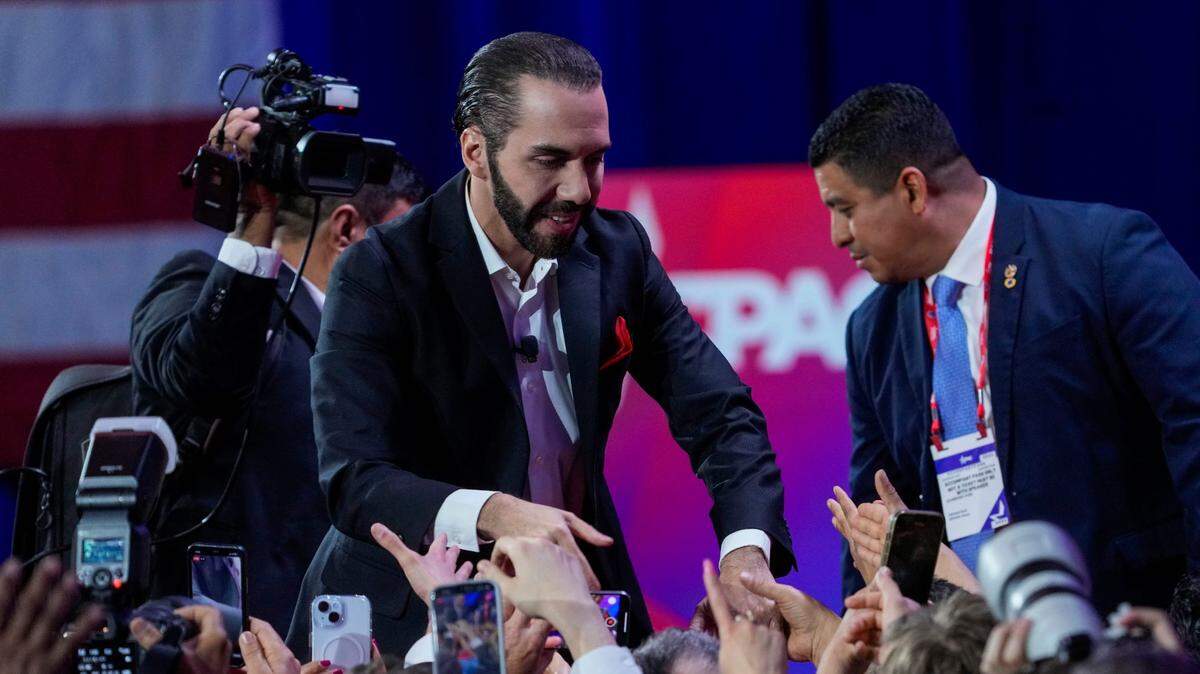
One model for addressing root causes is already visible in El Salvador. President Bukele’s crackdown on crime has made El Salvador the safest country in the region, fueling economic growth and even reversing migration flows. This is the blueprint for reducing immigration pressures: creating environments where people feel safe and can provide for their families. Rubio understands this model well, having visited El Salvador and witnessed its success under Bukele’s leadership.
Another urgent issue is the Darien Gap in Panama where more than 500,000 migrants have crossed in the past two years. The new administration must work with recently inaugurated Panamanian President Mulino to close this gap and reduce the influx of migrants from South America. Mulino has committed to addressing this issue, and it’s critical that we support him in making good on that promise.
Strengthening alliances with friendly governments in the region will also be a top priority. While Trump 47 is not one to hold grudges, he will not overlook the fact that Brazilian President Lula endorsed his opponent, that Chilean President Gabriel Boric labeled him a “world criminal” or that Colombian President Gustavo Petro criticized him on American soil.
Mexico will be another key player, and it will face a renewed expectation to manage its borders effectively, reinstate the remain in Mexico policy for asylum seekers, and address the potential influx of Chinese goods flooding into the U.S. market with tariffs, including the fentanyl proxy war that claims hundreds of thousands of lives per year.
Argentina is undergoing an economic transformation, and President Milei has expressed strong support for working with Trump 47. Rubio has already met Milei, and other like-minded leaders.
Early next year, OAS will also elect a new secretary general, perhaps a woman, making it crucial to select a leader from a friendly nation.
The most challenging relationship will be with Venezuela. Biden’s NSC made countless concessions to Maduro, receiving nothing in return. The days of giving concessions to Maduro are over. The Trump 47 administration will negotiate from a position of strength. Our first order of business has to be the deportation of thousands of criminals back to Caracas.
Lastly, another critical priority will be addressing Haiti, where the situation has deteriorated dramatically under the oversight of Secretary Blinken. Rubio, who has an intimate understanding of Haiti’s history and challenges, will be able to spearhead efforts to build a real coalition to restore peace and security for the Haitian people, and organize elections.
Migration and regional stability boil down to two factors: security and opportunity. When people feel safe and have a chance to build better lives, they choose to stay and prosper in their own countries. This is the vision that the Trump 47 administration will champion for Latin America, and El Salvador is the blueprint.
Damian Merlo is a Latin America expert and principal of Latin America Advisory Group, of which El Salvador is a client.
CORRECTION: The Herald did not disclose in this commentary that Merlo’s company had El Salvador as a client, as we did so in a 2022 op-ed from Merlo. The Herald failed to follow our guidelines in this case.
This story was originally published November 13, 2024 at 5:19 PM.