
CDC numbers offer good news on HIV infections overall but reveal a crisis for Latinos | Opinion
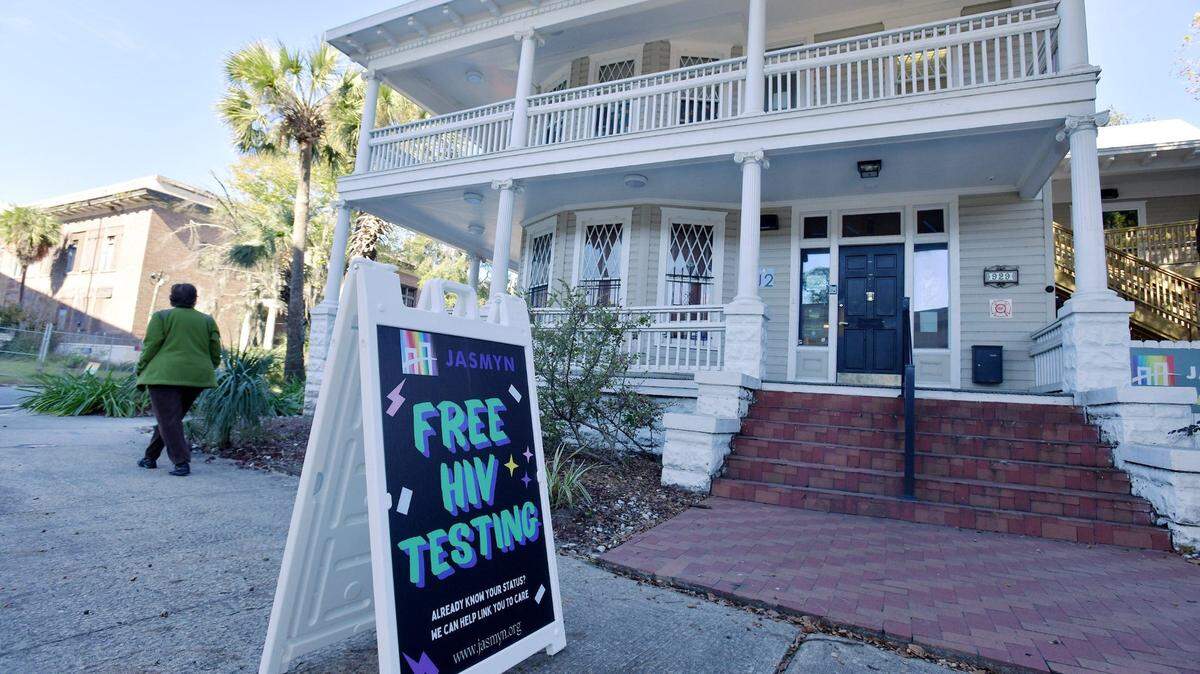
When the Centers for Disease Control and Prevention published data in May of this year that showed overall progress in reducing new HIV infections, everyone breathed a sigh of relief — and had the sense that the light at the end of the tunnel in a 40-year epidemic was getting brighter. Of course, the paradox of progress is that it reveals how much further we must go. Case in point: The same CDC data also revealed a largely invisible crisis facing Latinos.
While we can celebrate an overall reduction of 19% in estimated new HIV infections over roughly a 10-year period (2010-2022), during that same period, estimated new HIV infections among Latinos increased overall by 12% — and by 24% for Latino men who have sex with men. More striking is that for young Latino men who have sex with men, aged 25 to 34, new HIV infections increased by 95%. Transgender Latina women didn’t fare much better with the number of annual new HIV diagnoses increasing by 94% between 2014 and 2022.
The good news is this crisis can be reversed. Here’s how:
More (and wider) awareness: When popular culture portrays a group in performances that are multidimensional, it makes it personal for the audiences and the reality more possible. Just imagine: a Latino president of the United States who lives with HIV portrayed in a popular drama TV show. This would likely change reality for the better. Similarly, if the news media covered this crisis, and how to solve it, more, the positive impact would be huge.
Everyone has a role to play in driving up visibility. Healthcare and public health organizations should invest more in culturally and linguistically tailored communications campaigns in Latino communities. Federal and local agencies should prioritize Latino-specific HIV program development in their HIV response and funding.
More (and smarter) prevention: One of the amazing things about Ryan White (the young hero and the landmark HIV legislation he inspired) is that everything changed: public perceptions, prevention strategies and treatment access. This approach tore down inequities and saved millions of lives. Imagine how a Latino version of Ryan White with similar measurable goals could eliminate Latino HIV prevention and treatment inequities and save and improve lives. To make our HIV response smarter, we must expand HIV care models. We need to diversify our HIV workforce with new roles that align with the health and well-being needs of Latino people’s lives – and elevate the role of nursing in HIV care including by ending arbitrary state level restrictions that prevent many nurses from practicing at the highest levels of their education and licenses.
More representative care: Everyone has had that feeling of walking into an office and immediately feeling out of place. Imagine that place is your only source of healthcare. To end the Latino HIV crisis, health programs must be developed, tailored and evolve to meet the health needs and preferences of our diverse Latino communities. Where HIV transmissions are the highest in the nation, there should be Latino-specific and contextually appropriate response plans.
More laws that lift: Laws that lift people up are always good for America — and for making the American dream a reality for folks on the margins, like the Civil Rights Act, the GI Bill, the ADA. Laws that lift Latinos — the largest minoritized ethnic and racial group in the U.S. and growing — up will help us deal with this crisis more effectively. The other thing that’s bad for our collective health is zero-sum thinking: the idea that one group loses or wins at the expense of another. In fact, research and program data illustrate how eliminating health inequities for groups furthest from health equity improves health outcomes for everybody.
We are on the cusp of a nation without HIV/AIDS. Will we rise to the opportunity of a lifetime?
Vincent Guilamo-Ramos is executive director of the Institute for Policy Solutions and endowed professor at the Johns Hopkins School of Nursing. He is a nurse practitioner and nurse scientist with clinical and research specialization in HIV prevention and treatment for Latino adolescents and young adults.
This story was originally published November 13, 2024 at 1:56 PM.