
Nov. 5 is just the beginning of a multi-step election process | Opinion
Months of relentless political campaigning have caused a looming date — Nov. 5, 2024 — to be seared into our nation’s collective consciousness. Now, with Election Day near at last, it’s a good time to remind ourselves that what occurs on Nov. 5 — and during the 36 days immediately thereafter — will constitute only the first steps in a multi-step process.
For that we can thank the Electoral College. When all of the counting, recounting and contesting of the results has been completed, electors will meet in the various state capitals on Dec. 17 to vote and send their certified results to Congress.
Then, on Jan. 6, 2025, Congress will meet in a joint session where the electoral votes will be tallied. Alas, the process between now and then will coincide with a time when partisan gamesmanship by both political parties has left the nation extremely polarized and its voters targeted by incendiary misinformation and outright lies, including some from foreign hackers trying to foment violence.
Worse, given the opinion polls’ forecasts of a razor-thin margin in this year’s presidential election — and the possibility that once again the winner of the nationwide popular vote may lose the presidency in the Electoral College — many voters’ existing distrust of our elections process may well be magnified.
There are multiple reasons. For instance, prompted by Donald Trump, MAGA Republicans have continued to complain about what they still see as the “rigging” of the 2020 election.
Given the level of distrust, what will happen if the former president is again proclaimed the loser? As Reuters reported last week, “Donald Trump says that if he does not win the Nov. 5 election, he will cry foul and not accept the results.”
Then on Sunday, adding to the concerns that Trump’s remarks have raised, the normally astute website Politico published a credible article with this provocative title: “The Very Real Scenario Where Trump Loses and Takes Power Anyway.”
Meanwhile, Democrats also have added to Americans’ distrust of the elections by portraying voter IDs and other reasonable steps that states have taken to ensure honest elections as “voter suppression.” However, as the record turnouts of early voters in Georgia and other states have shown, if voter suppression were the GOP’s intent, it didn’t work.
Of course it’s also fair to ask what Kamala Harris and/or her followers might do if, despite those record turnouts, she loses. Although she hasn’t publicly encouraged her followers to protest if she loses, you have to wonder whether any of her more avid and gullible supporters might try to block the inauguration of Donald Trump, a man the Democrats repeatedly have demonized as a wannabe fascist dictator.
Fortunately, amid these worrisome post-election scenarios there’s some good news. Two years ago Congress passed — and President Biden signed — “The Electoral Count Reform and Presidential Transition Improvement Act of 2022.”
This law brings statutory clarity to issues such as how the states’ electoral votes are certified and whether or not the vice president — in this case, Kamala Harris herself as the person presiding over Congress’s electoral vote tally — may reject any votes she doesn’t agree with. Clearly, she may not.
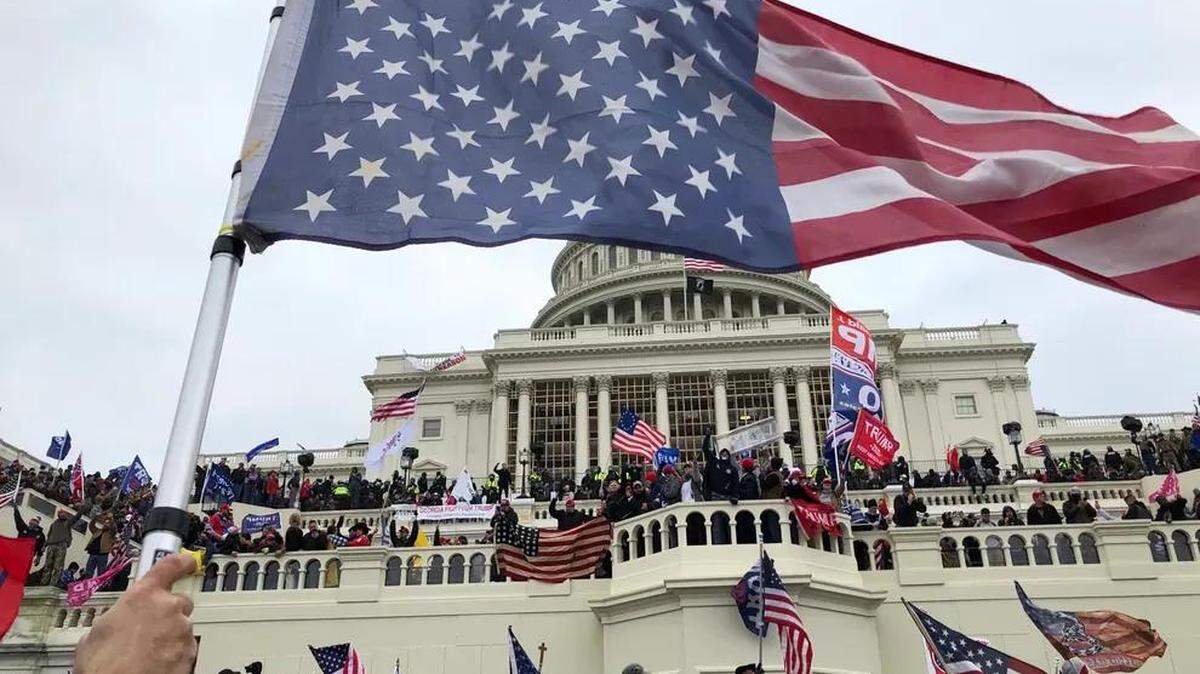
So there’s reason to hope that Jan. 6, 2025, will not see a repeat of Jan. 6, 2021. The process has new guardrails, Trump isn’t watching from the White House and, presumably, law enforcement will be better prepared for the possibility of peaceful protests turning violent.
Even so, how this ordinarily routine step plays out this year, plus the nature of what occurs thereafter, may well determine whether the presidential inauguration scheduled for Jan. 20, 2025, will be the beginning of the end for 2024’s toxic politics of revenge and retribution or, instead, will mark a sad demise of Americans’ great post-election tradition: the peaceful transition of power.
Robert F. Sanchez, of Tallahassee, is a former member of the Miami Herald Editorial Board. He writes for the Herald’s conservative opinion newsletter, Right to the Point. It’s weekly, and it’s free. To subscribe, go to miamiherald.com/righttothepoint.