
Resolve the port strike before it harms our South Florida economy | Opinion
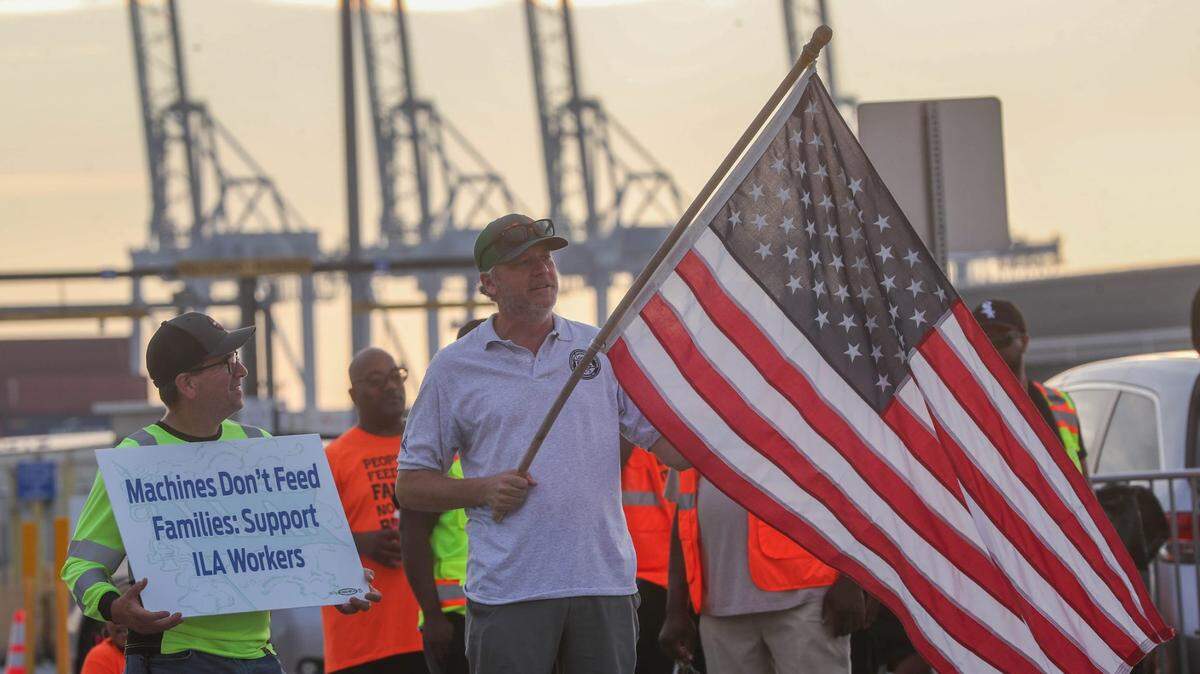
This week’s strike by the International Longshoremen’s Association, halting operations at 36 ports from Texas to Maine, threatens to send shock waves through South Florida’s economy, particularly its small businesses and consumers.
As we approach the holiday season, the timing couldn’t be worse. The chambers of commerce of Greater Miami and Greater Fort Lauderdale call on all parties to resolve this strike swiftly to prevent irreparable harm to our local economy, particularly the small businesses that are the lifeblood of our community.
These ports handle more than 68% of all containerized exports and 56% of imports for the nation, with a daily trade value exceeding $2.1 billion. The National Retail Federation recently noted that economists believe a similar disruption in 2002 cost the economy $1 billion per day, and it took six months for the economy to recover.
At the heart of the issue are complex negotiations between the dockworkers and port operators regarding wages, working conditions, and the growing threat of automation. While these are legitimate concerns, the ripple effects of a prolonged strike will extend far beyond the docks, disrupting supply chains, increasing prices, and jeopardizing the livelihoods of countless small business owners. South Florida, with its reliance on the Port of Miami and Port Everglades, will certainly be impacted.
For every day that dockworkers are on strike, it will take three to five days to recover, the National Retail Federation estimates.
So the longer the strike goes on, the longer it will take for operations to catch up. A one-week strike could cost the U.S. economy nearly $3.8 billion and increase the cost of consumer goods, according to the Conference Board, a global think tank.
Small businesses are particularly vulnerable. For these businesses, a few weeks of port shutdowns could mean empty shelves and lost sales during the most critical shopping period of the year. It’s not just about losing profits; for many, it could mean the difference between staying open and closing their doors for good.
Scarcity drives up prices, but local customers are unlikely to tolerate significant price increases, especially when big-box retailers may be able to absorb the extra costs and keep their shelves stocked. This imbalance in resilience between small and large retailers will create a significant competitive disadvantage for the very businesses that give South Florida its unique character.
Moreover, the impact of the strike won’t be limited to retail. Restaurants, auto mechanics and even healthcare providers rely on goods imported through South Florida’s ports. Any disruption in the supply chain will affect access to food, parts and medical supplies, creating delays and cost increases that could stretch well into 2025.
It is in everyone’s best interest to resolve this dispute quickly. We urge the involved parties to return to the negotiating table and find a fair compromise. Our local economy, the well-being of our small businesses, and the satisfaction of our consumers depend on it.
Alfred Sanchez is president and CEO of the Greater Miami Chamber of Commerce. Dan Lindblade is president and CEO of the Greater Fort Lauderdale Chamber of Commerce.
This story was originally published October 2, 2024 at 4:46 PM.