
As hurricane season starts, expect climate-change zealots to cheapen the word ‘denier’ | Opinion
The Atlantic hurricane season runs from June 1 through Nov. 30, but Florida’s capital city got a sneak peek of the storm season three weeks early. On May 10, three powerful tornadoes swept through Tallahassee, leaving behind a tangle of downed power lines and huge piles of debris.
For state officials, this tornado outbreak was a tangible reminder of the situation that many areas in Florida may face this year in light of NOAA’s official forecast for the hurricane season.
Bottom line: Conditions are ideal for more hurricanes, stronger hurricanes, and more rapidly intensifying disturbances, some of which could morph from tropical storm status to category five monsters in a matter of hours.
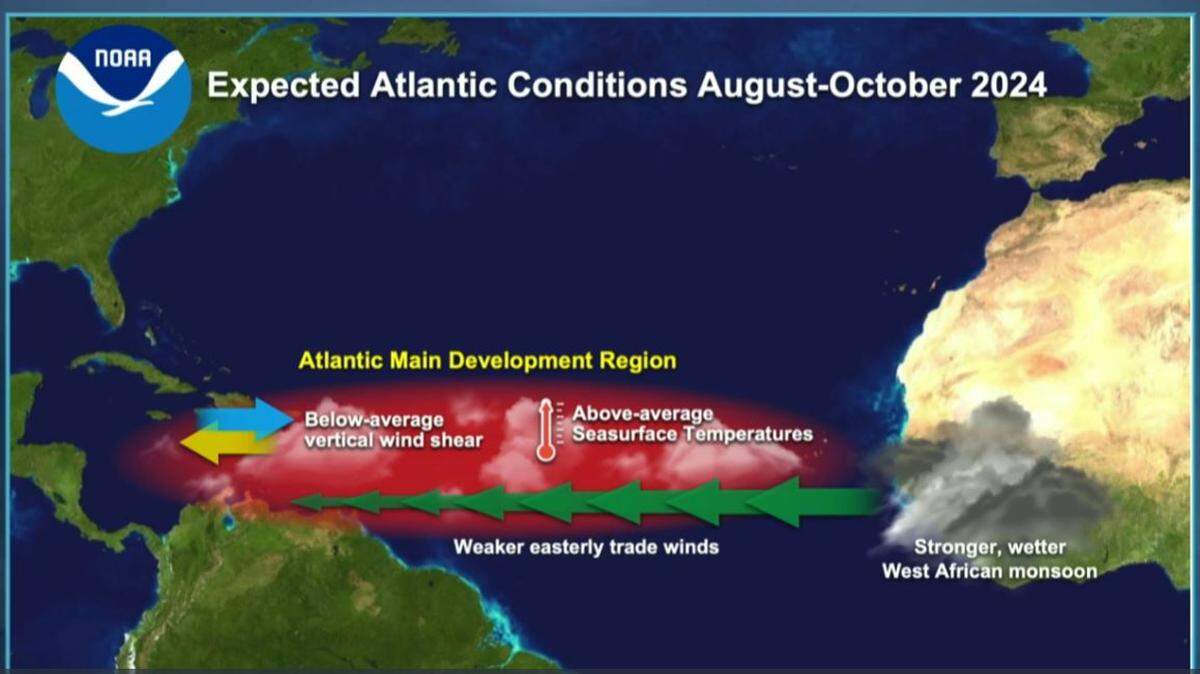
This troubling seasonal forecast is based on the confluence of several factors that affect storm formation. They include the emergence of a La Nina in the Pacific, a weakening of wind shear aloft, record high surface temperatures in the Atlantic and Gulf of Mexico, and a wetter-than-usual monsoon season in West Africa.
No doubt this means that residents of Florida and other vulnerable states will be paying close attention when the expected parade of storms begins. It also means that they’ll be exposed to months of propaganda about climate change.
Indeed, Floridians and other Americans need not wait for the hurricane forecasts to get constant commentary in which every weather anomaly, from drought to floods and from polar vortexes to heat waves, is blamed on climate change.
Moreover, we’ll be told, the only thing that can save the Earth as we know it is to heed the climate change zealots’ advice and uncritically accept remedies ranging from banning fossil fuels altogether to herding all of us into electric vehicles and/or mass transit.
Criticizing or expressing even mild skepticism about any portion of this so-called “Green New Deal” agenda risks getting yourself stuck with an onerous label: “climate change denier.”
That’s an especially hurtful put-down because it associates climate change skeptics with those who, despite all of the well-documented evidence, claim that the Holocaust was a hoax or, less serious or dangerous but equally moronic, that the moon landing was staged on a backlot in Hollywood.
However, expressing a degree of skepticism about details of a scenario being projected into the future is quite different from disputing the historical record of the Holocaust, which was extensively documented on firm and in survivors’ poignant personal accounts.
Is climate change occurring? Many reputable scientists say it is. Are humans to blame? Again, science says the Earth’s elevated levels of carbon dioxide — much of it traceable to humans’ use of fossil fuels — contributes to global warming.
On the other hand, is there a scientific consensus about the pace of climate change? No. Indeed, some climatologists claim that it’s occurring faster than was previously expected while others are more cautiously reserving their judgment until additional evidence can be gathered and scrutinized.
Unfortunately, there are climate change zealots in the Biden White House. Their agenda seems to center on figuring out how to impose their radical remedies on Americans, even as there are counter trends toward more fossil fuel consumption in rapidly developing economies in parts of Asia and Africa.
If the Biden Administration were to implement these zealots’ policies during a second term, Americans may be forced to abruptly abandon their lifestyles and unwillingly accept the changes imposed by this climate change cult.
That is why climate change skeptics have an important role to play. By forcing climatologists and other scientists to undergird their policy recommendations with indisputable scientific evidence, they can help forge a wider consensus on what needs to be done. For this service, they do not deserve to be dubbed “deniers.”
Robert F. Sanchez, of Tallahassee, is a former member of the Miami Herald Editorial Board. He writes for the Herald’s conservative opinion newsletter, Right to the Point. It’s weekly, and it’s free. To subscribe, go to miamiherald.com/righttothepoint.