
Florida parents should get final say in our kids’ social media habits | Opinion
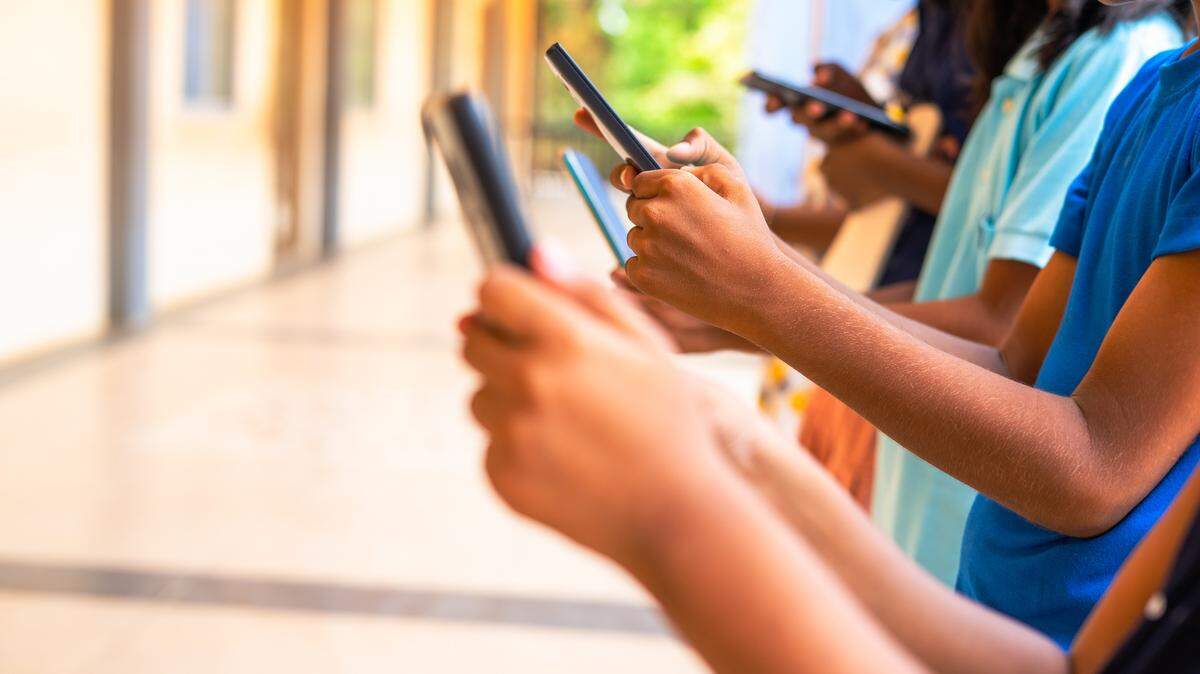
Today, children across Florida and our country are faced with a growing challenge around social media. While social media can help alleviate feelings of isolation and loneliness by creating a source of connection and entertainment outside of school and home, potential access to age- inappropriate content, misplaced advertisements and online bullying can have the opposite effect.
These serious concerns require more oversight from parents or guardians over children —particularly teenagers — and their social media usage. As a parent myself of two young children, and a college professor, I’ve been closely tracking the social media legislation led by House Speaker Paul Renner.
While I am proud Florida is leading in the effort to protect the next generation of Floridians, I have serious concerns that our lawmakers’ approach is stripping away rights from those who know how best to protect children and teens online: us, the parents.
Speaker Renner, Rep. Fiona McFarland (R-Sarasota), Rep. Tyler Sirois (R-Merritt Island) and Sen. Erin Grall (R-Fort Pierce) drafted House Bill 1: Social Media Use for Minors. If passed, HB 1 would ban anyone under the age of 16 from establishing a social media account on platforms, and delete all existing accounts.
Social media ban
While some claim this will “protect kids,” a blanket social media ban for teens, in fact, takes power out of the hands of parents and instead replaces it with that of the government, making the parenting choices for Florida children and teens.
Should Florida parents have to co-parent with the government? Absolutely not. Each family has their own set of beliefs and knows what is best for their child.
The Florida House should give more power to parents rather than allowing governmental interference in personal decisions that belong between parents and caregivers and their children.
Last May, the U.S. Department of Health and Human Services released a report that found 95% of teenagers and 40% of children ages 8 to 12 use social media platforms. The increased usage of social media by America’s youth is a double-edged sword.
Improves learning
Although much has been highlighted in the media around the potential dangers posed by social media platforms, not as much has been shared about the many positive benefits social media has brought to younger generations. For certain teens, social media allows them to meet like-minded people and improve their learning and relationships with family members.
Last week, I tuned into the Florida House Judiciary Committee’s hearing on HB 1, where the room was packed with Floridians respectfully disagreeing on how best to regulate social media.
I took away the following message: The government needs to allow parents to be parents and choose what is best for their children.
A Pew Research Center report found that 81% of U.S. adults support social media companies requiring parental consent for minors to create a social media account — including strong bipartisan support. In today’s political climate, it says a lot when both sides of the aisle can support a policy.
Government intrusion
Parents have the best interests of their children in mind, which is why we need to empower parents to have more control over their kids’ online lives rather than more government intrusion into family decisions and dynamics. To ensure our children grow up safe in the online era, we must put parents first.
I was encouraged to see Gov. Ron DeSantis raise concerns with this bill and emphasize the need to pass protections that don’t ignore parents’ constitutional rights.
Florida legislators should give greater rights to parents rather than stripping them away. I hope they rethink this legislation so that our state can make long-lasting changes that protect children and teens’ well-being.
Frima Enghelberg lives in Miami and is a team leadership coach and college professor.