
The misguided movement to dismantle DEI in Florida higher education should be resisted | Opinion
I believe that the move by the Florida Department of Education to adopt the regulations for 2023’s Senate Bill 266 and its House Bill 999 counterpart pertaining to diversity, equity and inclusion (DEI) is deeply problematic and should be vigorously resisted. The causes for concern are many but I want to especially highlight two.
First, the proposed regulations would bar institutions from engaging in “any program, policy, or activity that attempts to equalize or increase outcomes, participation, or representation as compared to other individuals or groups.” This means that even if there are tremendous disparities in a certain area like admissions, hiring, promoting or contracting, there is nothing that a college or university can do about it in an intentional way. This leaves institutions without the capacity to address historical inequalities faced by marginalized groups.
To truly understand the impact of policies like this, we must acknowledge the deep-seated historical context of discrimination and its far-reaching consequences. The racial wealth gaps we see today are not just the result of individual choices or mere happenstance; they are the product of a complex web of factors. Federal Housing Administration policies, slavery, Jim Crow laws, employment discrimination and the denial of access to capital, among other systemic injustices, have contributed to the disparities we currently see.
History matters today because the advantages accumulated from generations of past discrimination continue to manifest as intergenerational transfers of wealth. These transfers subsidize college costs, enable car purchases, cover private school payments, credit card bills and medical expenses, provide business start-up capital, facilitate home ownership and fund other significant purchases. The vast disparity in wealth-building opportunities perpetuates economic inequality and limits upward mobility.
Secondly, the regulations take away the right to even advocate for what one believes is right. They do this by banning what they define as “political or social activism.” That is defined in the proposed regulations as “any activity organized with a purpose of effecting or preventing change to a government policy, action, or function, or any activity intended to achieve a desired result related to social issues, where the university endorses or promotes a position in communications, advertisements, programs, or campus activities.”
If measures like these continue to proceed without formidable opposition or a potent counter-narrative that gains significant public traction, then they could threaten the global competitiveness of the nation by closing doors of opportunity that would tap more into the human capacity of broader collective of America.
I write this from the lens of a concerned citizen who has taught at five universities and has been an administrator at the university, school district, non-profit and government-agency level as well as being the senior advisor for the Rising Coaches Diversity, Equity and Inclusion (DEI) Alliance, which is made up of a dozen social justice and minority coaching organizations.
We must recognize that higher education serves as the catalyst for change, influencing various aspects of society such as the workplace, politics and social dynamics. Choosing courage over cowardice is what is needed at this historic juncture to resist the movement to dismantle DEI efforts in Florida that jeopardizes the progress we have made towards building a more equitable and inclusive society.
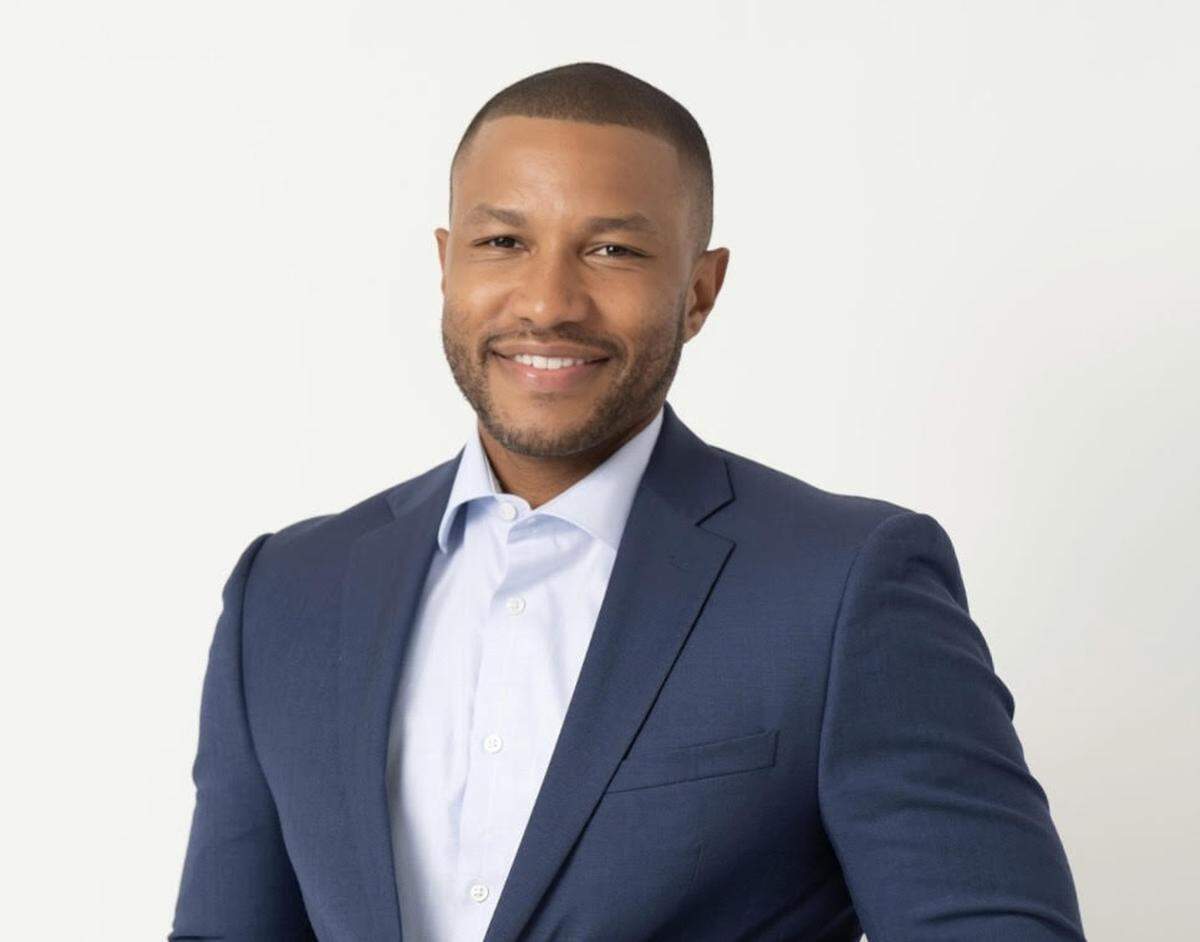
Marcus Bright is the author of two books and has spoken across the country on topics related to public policy, education, and social justice. He lives in South Florida and works in Miami-Dade County.
-