Florida is about to seriously damage its universities. Speak up before it’s too late | Opinion
It’s come to this: a new Florida regulation could prevent professors or students at the state’s universities from discussing women’s health, race and racism, environmentally sustainable practices, or even politics. But Floridians have the chance to speak up to protect intellectual freedom on campuses before it’s too late.
On Jan. 24, the Florida Board of Governors (BOG) is primed to pass regulations implementing a new law, SB 266. Its draconian proposals would sweep away academic freedom at Florida’s universities. The impact on higher education will be dire. It’s critical that Floridians understand the stakes and speak out now.
SB 266 works on multiple fronts to suppress speech on campus and to undermine university governance that protects academic freedom. It restricts general education courses that discuss disfavored ideas regarding race, gender, identity and American history; bans diversity, equity and inclusion offices; threatens university accreditation agencies and even takes away universities’ right to control their own mission statements.
These restrictions build on the 2022 “Stop WOKE Act,” whose higher education provisions have been temporarily blocked as unconstitutional by a federal judge.
Once SB 266 became law, the BOG was charged with implementing regulations to put the bill into force. But the regulations the BOG have proposed go even further than the original bill. If approved, they would be the death knell for academic freedom in Florida.
SB 266 prohibits universities from funding any program or activity that promotes or engages in “political or social activism.” This vague phrase would be disastrous enough on campus, but the proposed regulation is even worse: it defines it, in part, as “any activity intended to achieve a desired result related to social issues.” What are “social issues?” According to the BOG, they are any “topics that polarize or divide society among political, ideological, moral, or religious beliefs.”
The breadth and vagueness of this definition is shocking, and would prohibit an immense array of action and speech. To make matters worse, university leaders may overapply the law to avoid the drastic measure of losing critical university funding. As written, the BOG regulations could be interpreted by campus leaders to ban on-campus programs, activities or discussions regarding such things as an environmental sciences dean celebrating a new environmentally sustainable building; faculty or perhaps even students discussing abortion, contraceptives, or family planning; a criminal justice professor applauding efforts to lower incarceration rates; or hospitality program faculty discussing the need to approach event planning with diverse individuals in mind.
Similarly, the proposed regulation defines SB 266’s ban on DEI as “any program, campus activity, or policy that classifies individuals on the basis of race, color, sex, national origin, gender identity, or sexual orientation and promotes differential or preferential treatment of individuals on the basis of such classification.” That language could prohibit a formal debate event on racial issues, an event featuring proponents and opponents of abortion care, or any number of topics touching on diversity, equity.
Depending on university leaders’ interpretations of these sweeping regulations, even the most mundane of university events could be banned just because individuals could possibly have differences of opinion on the topic. The new regulations could impact job placement assistance, opportunities or programs for student athletes, or sharing information about student fraternities and sororities. The chilling effect of such a restriction would be vast. Academic freedom would effectively cease to exist, replaced by a pervasive climate of confusion and fear.
The fabric of our democracy is enriched by young people organizing, learning, sharing ideas, and raising their voices in environments where intellectual freedom is protected and celebrated. The proposed regulation would severely damage such freedom at Florida universities. The BOG should pull back from the abyss before it’s too late.
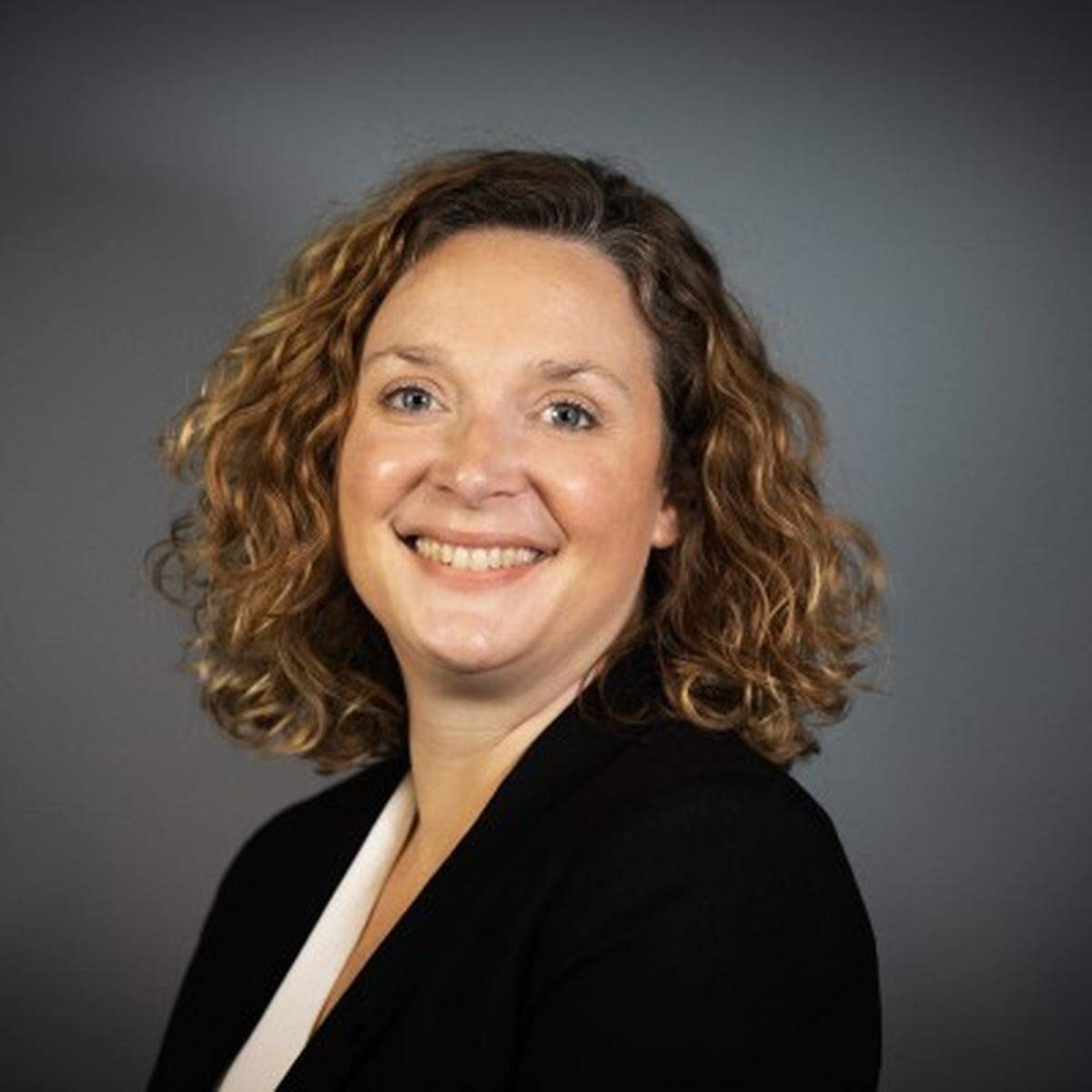
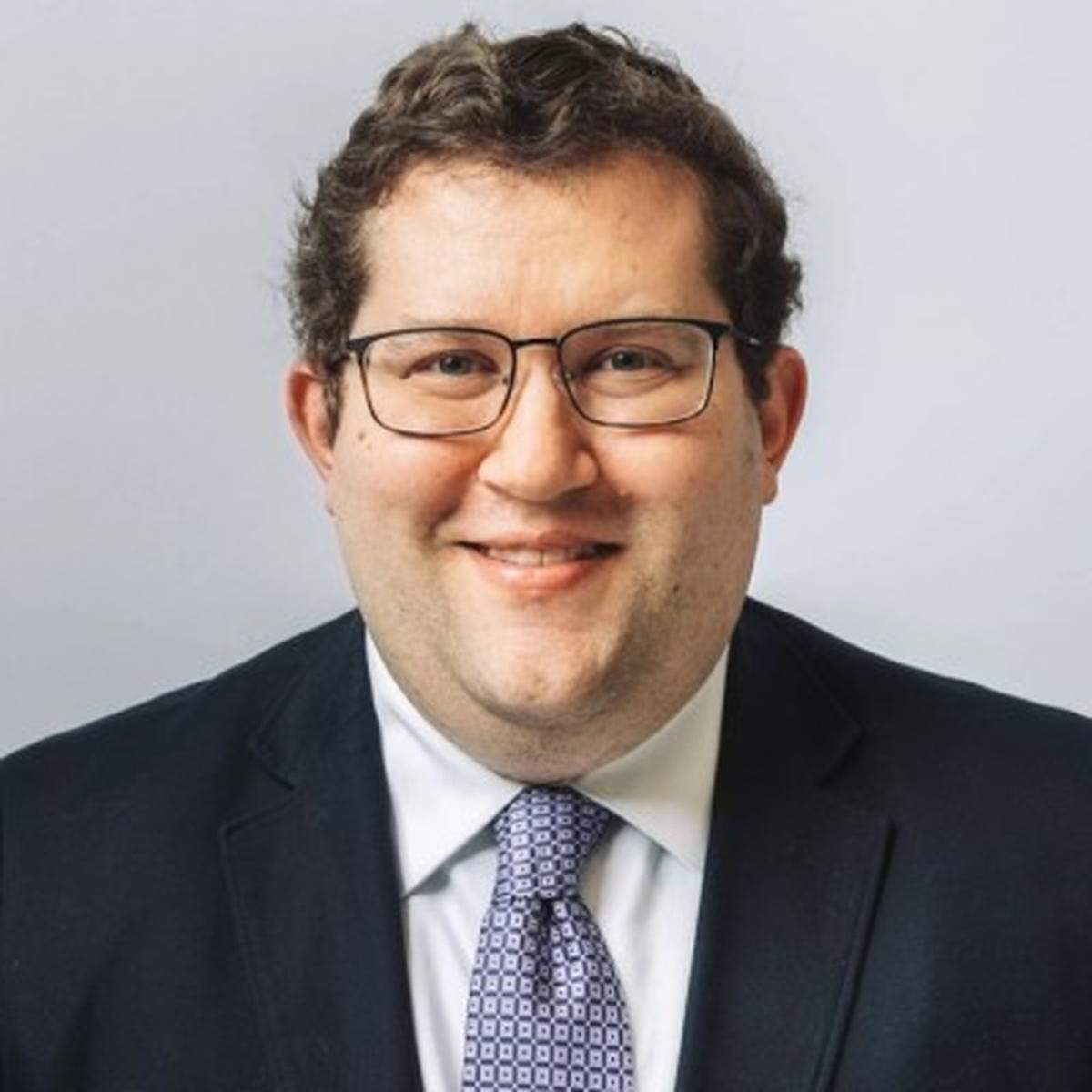
Katie Blankenship is the inaugural director of PEN America’s Florida office. Jeremy C. Young is the Freedom to Learn program director at PEN America.