In visits to Ukraine and Israel, I saw fear but also hope | Opinion
Fortunately, many of us, most of the time, have a choice between fear and hope. How rapidly the pendulum swings between hope and fear became clearer to me after visiting two war zones at the onset of a conflict — Ukraine 18 months ago, and Israel this past October.
War zones are fraught with fear. When the risk of losing life is imminent, fear dominates. While experiencing war firsthand on a quest to help, I met too many innocent civilians who were thrown, against their will, into a reality of violence, destruction and loss. War was inflicted on their communities in an attempt to ravage the very foundation of their lives.
The cycle of fear begins with violence (verbal or physical or both) meant to ignite chaos, division and hate. And, like an infectious disease, fear is contagious. People absorb fear, internalize it and transmit it to others. Fear takes many forms, such as hate and anger — negative emotions that can quickly lead to destructive manifestations, like revenge, that then further fuel the fear.
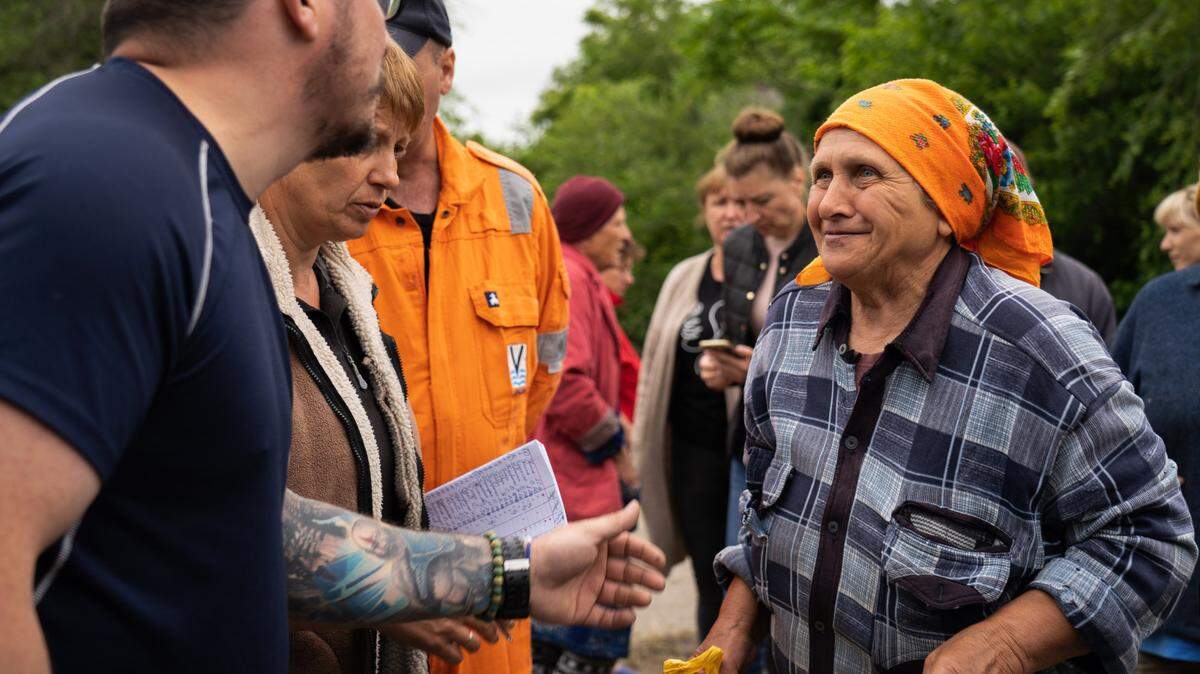
But there’s hope. Although I witnessed in both Ukraine and Israel large doses of fear, signs of hope were present, too. I was encouraged to meet big-hearted people who refused to give in to fear. Their “weapon” of hope against the evils of fear was selfless giving.
It was remarkable to experience how good people almost instantly devoted themselves to giving, which disarmed their own fears, and helped to contain the fear of others around them. In the midst of grief and loss, I’ve seen ordinary people — teachers, bus drivers, doctors, cooks, gardeners, retirees — applying their time, their best energy, and their sometimes scarce resources to help others however they could.
Their organized or random acts of kindness that originated from a mindset of abundance, created comfort and psychological safety, instilling confidence among those who got hurt and/or fell into pessimism and fear. Fear spreads quickly but hope is contagious too. The sense of safety and solidarity transformed the emotional narrative of anger, fear and despair to cautious optimism and hope. The tables have turned.
Spending time with terror victims made me think about the many innocent human beings across the border. Russians and Palestinians, too, are the victims of a cycle of fear. Like Ukrainians and Israelis, the lives of innocent Russians and Palestinians were shaken to the core — mourning loved ones, fearful for their own safety and the lives of those around them, terrified about their future. Fear spares no one, on either side.
Hope starts with selfless giving. We must find the courage to be compassionate. We cannot forget to open our hearts and reach across borders and help the innocent ones in need. By providing both sides with the opportunity to help each other, we can defeat fear and create a virtuous cycle of hope.
Start with sharing tales of giving and hope rather than stories of suffering and loss. If each side gets a glimpse of the fundamental humanity of the other side, they might see an image of themselves in the human beings across the border, realizing that both sides are victims of the same vicious cycle of fear. And to break it once and for all, they’d need to bravely reach across the border, do good for the sake of doing good, applying the same support and empathy that they’re providing to their own people. When this starts spreading, the pendulum will start swinging back from fear to hope.
Ron Gutman is a Miami-based health tech entrepreneur and philanthropist. He leads Intrivo, a global health technology company and On/Go for\Good, a charitable foundation.