
Hunger is a breeding ground for instability. But Haiti’s U.N. food agency is underfunded | Opinion
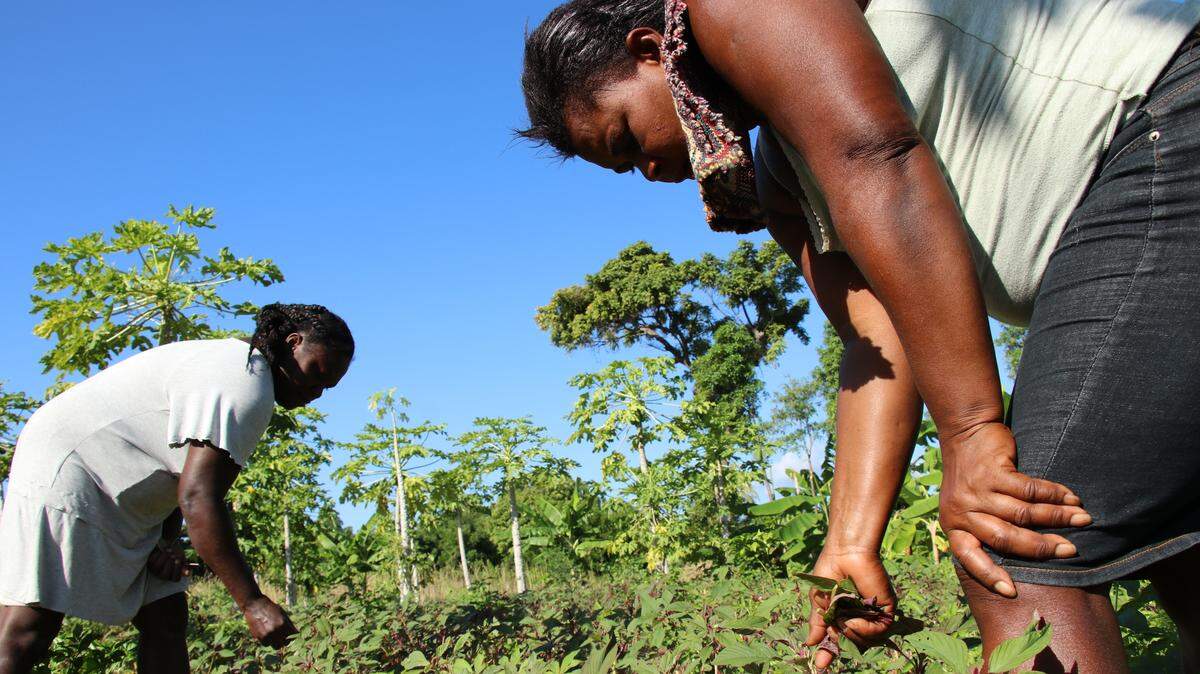
Jacqueline Charles’ Nov. 28 story reports on a new document released by U.N. Human Rights Office and the UN Integrated Office in Haiti (BINUH), which laments a “shocking rise” in armed group violence in rural areas previously considered safe. The report focuses on the Artibonite region, north of the capital, Port-au-Prince, known as the breadbasket of Haiti.
Despite many security and access challenges, the World Food Programme (WFP) is active in the region, providing hot meals to schoolchildren, supporting the most vulnerable households with cash transfers and working with local farmers to boost their production. Because of this close collaboration with all levels of the community, WFP has been aware of and is deeply concerned about the rising violence in the region for the past several months.
In May, I traveled with a team of journalists from ABC News to the Artibonite to see for myself. We found farmers who were forced to let their fruits and vegetables rot in the fields because gangs were blocking access to markets. We spoke with a group of madan Sara — female market vendors — who had been abducted, beaten, raped. Only when they paid large ransoms, which bankrupt their businesses, were they finally released.
This, in the context of a country where 4.4 million people are facing acute food insecurity.
The U.N. report calls for urgent deployment of a Multinational Security Support mission, which was authorized by the U.N. Security Council in October.
As the head of the largest U.N. agency responsible for food security in Haiti, I concur: It is indeed imperative to re-establish security in the country as soon as possible. But unless the multinational security support mission is matched with an equally robust humanitarian effort, it will be extremely difficult to restore the stability the Haitian people deserve.
I specifically call on donors to finance WFP’s emergency programs, which are only 7% funded over the next six months, leaving a funding gap of $90 million. Regrettably, WFP already has had to curtail the coverage of our programs for lack of resources. Unless we receive substantial funding by the end of December, more cuts to our programs will happen in early 2024, at the exact time when the multinational security mission is scheduled to deploy.
Hunger is a breeding ground for conflict and instability. Haiti will never be at peace as long as half its citizens don’t know where their next meal is coming from. The international community must act now.
Jean-Martin Bauer is country director of the World Food Programme Haiti.
This story was originally published December 1, 2023 at 12:00 AM.