More than 1,000 trees, vital to our environment, have been removed from Miami Freedom Park | Opinion
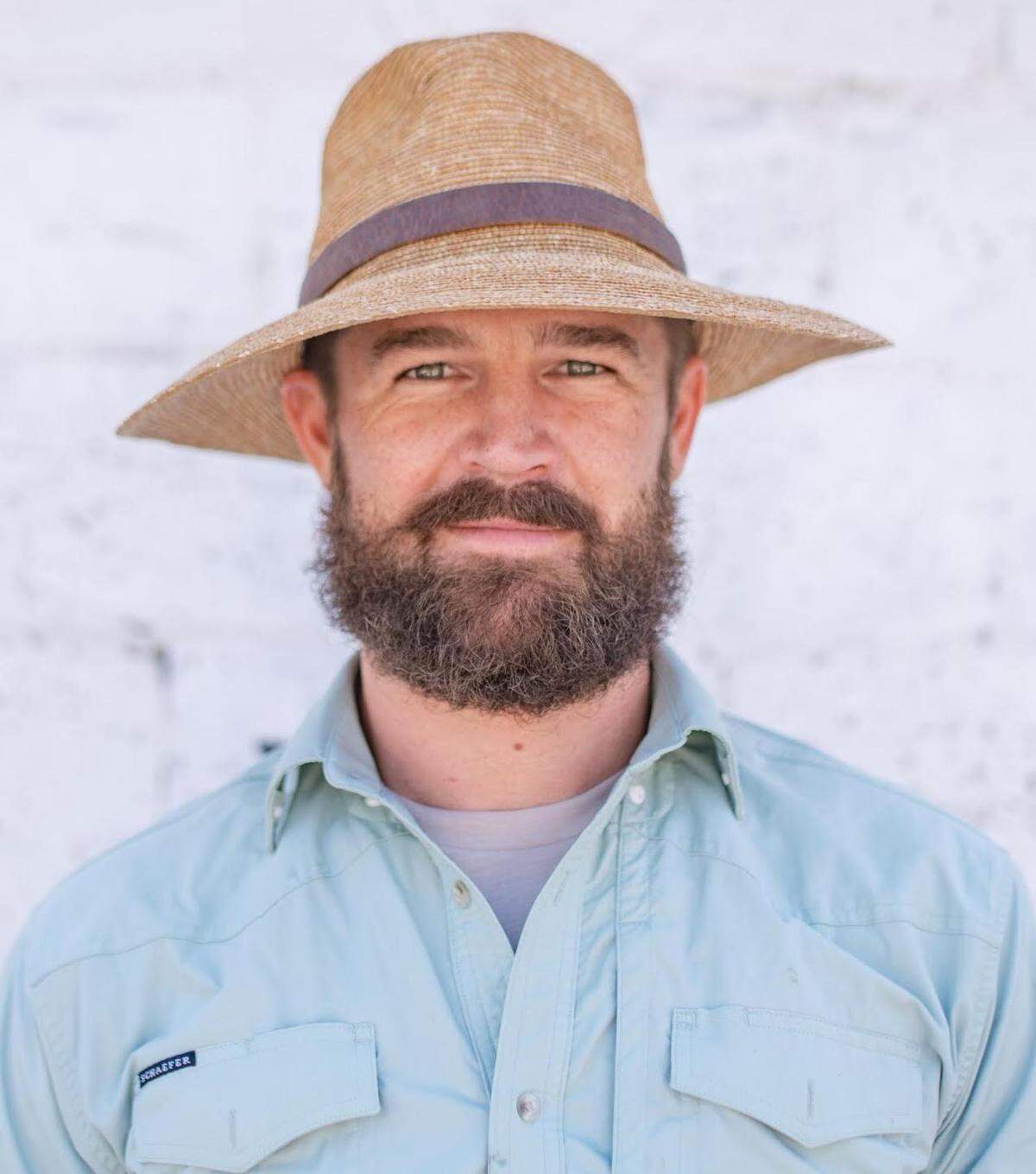
I have worked directly with Miami-Dade County, the city of Miami and other municipalities to guide and implement solutions in the management, protection and restoration of the urban canopy.
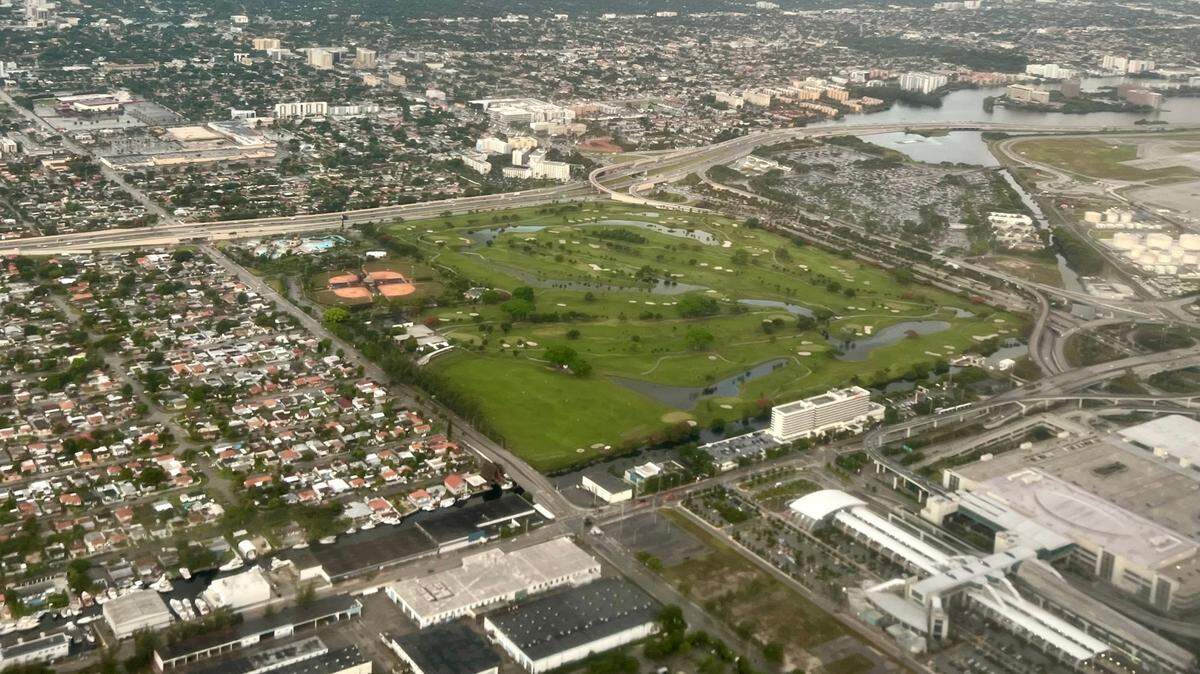
Miami Freedom Park ownership and the city of Miami struck a deal that paved the way for the removal of more than 1,000 trees — with no public comment and no replacement requirements.
Sound about par for the Miami course?
Miami’s political will has fallen into lockstep with the real estate development of the region, most apparent when scrutinizing the fine print in these deals in which city or municipal resources are often handed over to developers with a complete disregard for cultural heritage, public good or environmental impact.
The incinerator that formerly occupied Melreese golf course left a considerable concoction of heavy-metal contaminants that represent one of the more costly and challenging components of the project. The development team, headed by Jorge Mas, has used the remediation costs as a bargaining chip on a no-bid contract for a 99-year lease on public land. The 1,000+ trees recently removed from the site were a mere line item, a roadblock bypassed by a few opinions of Miami’s controversy-prone legal team, exempting itself of the standard mitigation requirements outlined in its Code on Environmental Preservation.
Unfortunately, the legal opinion of the city does not meet Miami-Dade’s DERM minimum standards for tree preservation and protection, a gross circumvention of the law.
Trees are the most important Infrastructure on the planet. From the life-bearing oxygenation of our atmosphere to the habitable environs created, trees are vital to our very existence. They have been revered as solutions to some of the pressing issues we face — global climate change, sea level rise, urban heat island effect, biodiversity loss and much more.
From the perspective of an arborist who has been practicing in Miami for more than 10 years, navigating the confluence of green/grey infrastructure and the inherent conflicts that arise, this case demonstrates a blatant subversion of protection and preservation regulations in favor of fast-tracked development.
The city and the InterMiami development team are directly responsible for eliminating the public benefit provided by these 1,000 removed trees. We owe it to our children to leave behind a positive environmental legacy, not one marred by political horse-trading and compromised legal opinions.
Ian Wogan has initiated and been involved in a wide range of arboriculture-based projects including mangrove management, native habitat restoration, hurricane preparation and post-storm recovery efforts, tree mitigation, adaptive tree management strategies in the urban environment, specimen tree restoration and management planning and land-use/development consultation.