President Biden isn’t listening to Haitians. He should before it’s too late | Opinion
Haitian Americans in South Florida and throughout the country have been telling President Biden how he can best stop our home country’s horrible downward spiral. He has not listened — yet — but he should before it is too late.
Friends and family in Haiti face conditions usually seen in war zones. Armed gangs control 80% of Port-au-Prince. Going to work or school is a potentially deadly activity. Children face hunger, while inflation runs over 25%. There is not a single elected official in office.
Haiti’s corrupt and repressive government has persistently dismantled the country’s democratic structures for more than 10 years. The government has refused to hold elections, enlisted gangs to attack opposition neighborhoods and diverted vast sums to its supporters’ bank accounts.
For a decade, this dangerous government, known to be in cahoots with the gangs, has received support from the United States, which has insulated the government from the efforts of a broad spectrum of political parties, business groups, churches and other civic organizations that insist on a return to democracy. On Sept. 22, the National Haitian-American Elected Officials Network (NHAEON) and FANM in Action, in a letter, told the president that if “the U.S. is genuinely interested in stabilizing the political situation to avoid a catastrophic humanitarian crisis in Haiti, it will start by ceasing to prop up the corrupt government.”
Six weeks later, the administration has not responded or reduced support for the repressive regime. In fact, the administration gave NHAEON what feels like a slap when it championed the U.N. Security Council’s Oct. 2 vote authorizing a Kenyan-led intervention in Haiti. Kenya was chosen when Haiti’s Caribbean neighbors declined to lead the mission precisely because it would prop up the hated government.
NHAEON’s more than 70 elected officials, and many more former elected officials in 18 states, represent Haitian Americans at the neighborhood, city and state levels. We hear every day from constituents who are terrified about conditions in Haiti and outraged that their tax dollars support the repression. NHAEON members listened, and 76% of the voting members voted in favor of the letter.
Most NHAEON members are Democrats. Many of us, for decades, have spent weekends and evenings registering voters in our communities and organizing them to support Democratic candidates. Consequently, we were reluctant to publicly criticize a Democratic administration, especially ahead of a consequential presidential election.
But leaders concluded that we needed to warn Biden, for the sake of democracy in Haiti and the United States. Our Haitian-American constituents traditionally are a reliable and important Democratic voting bloc in Florida, and an emerging bloc in highly contested Georgia. But when we encourage them to vote in next year’s election, they will think about the phone calls they have with terrified friends and family in Haiti. They will ask how they can continue to vote for a party that is encouraging so much unnecessary harm in Haiti — a party that has taken Haitian-American votes for granted.
We fear that the administration finally will hear Haitians Nov. 5, 2024, through the silence of loyal Democratic voters who stayed home on Election Day, depriving the president and his party of otherwise attainable victories. That will be too late for the Democrats, of course, and may also be too late for Haiti, as the repressive government will have had another year to entrench itself.
But November 2023 is not too late for either. As NHAEON and FANM wrote to Biden, Haitians “across the spectrum have gathered, often putting long-running political disagreements aside, to agree on practical, promising plans for a transitional government.”
Removing the U.S.’ unconditional support from the current government will allow this pro-democracy movement to force its government to make meaningful concessions that will return Haiti to a democratic path. And it will give Haitian Americans in the United States a reason to vote enthusiastically for pro-democracy candidates here.
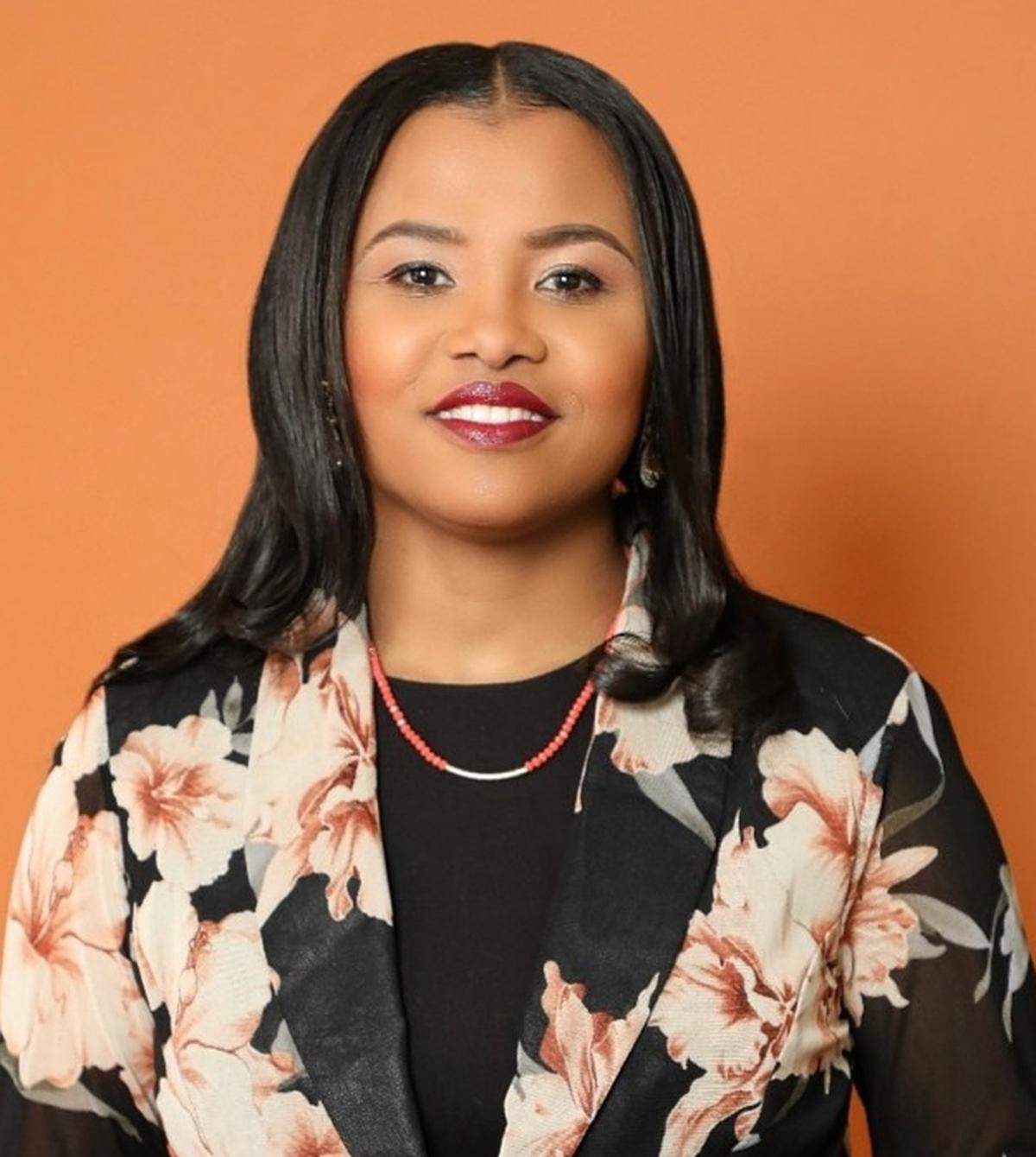
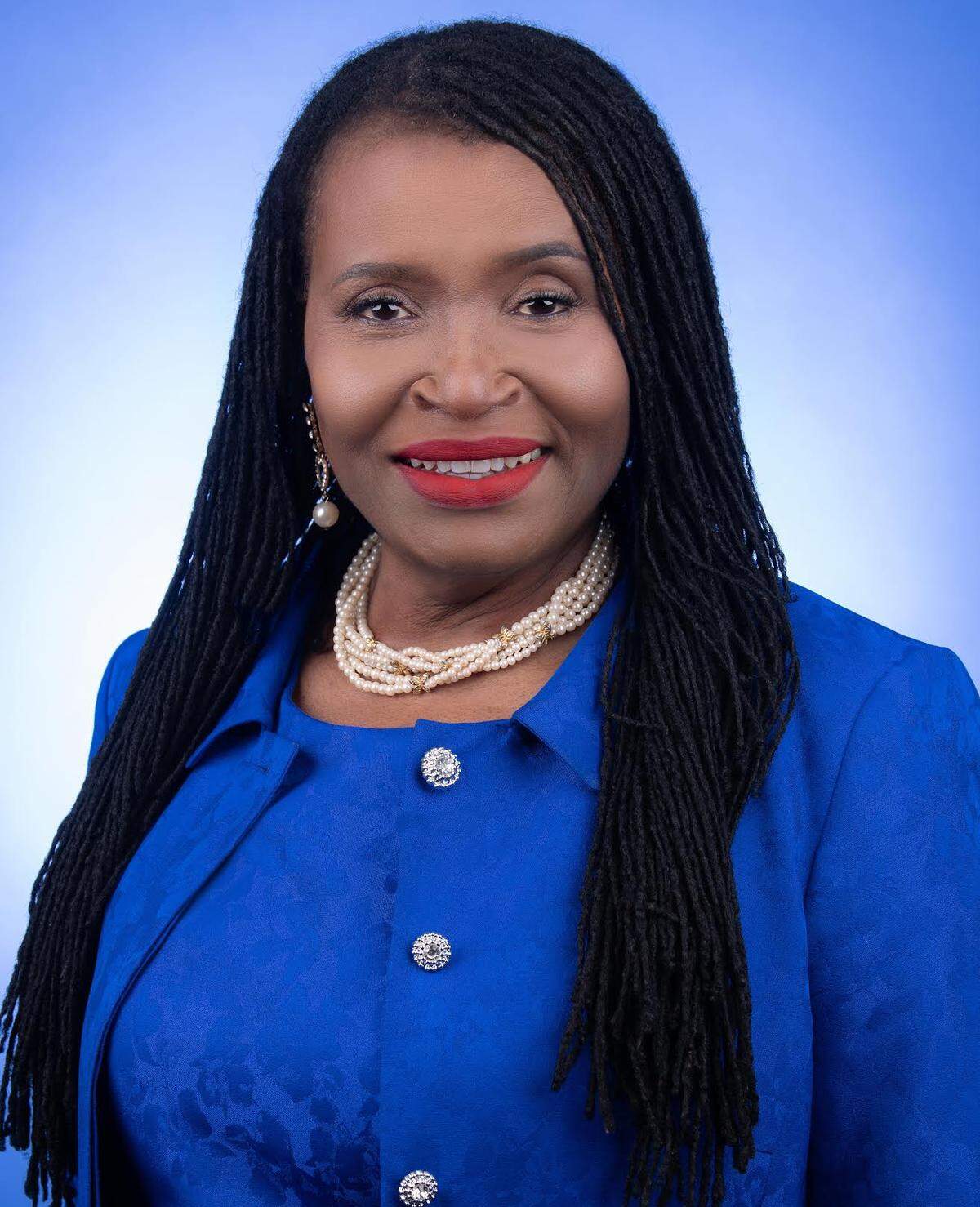
Charnette Frederic is chairwoman of the National Haitian-American Elected Officials Network and councilwoman-at-large in Irvington, New Jersey. Marleine Bastien represents District 2 on the Miami-Dade County Commission and is a NHAEON’s member-at-large.