We’re getting better at fighting back against the growing crisis of Alzheimer’s | Opinion
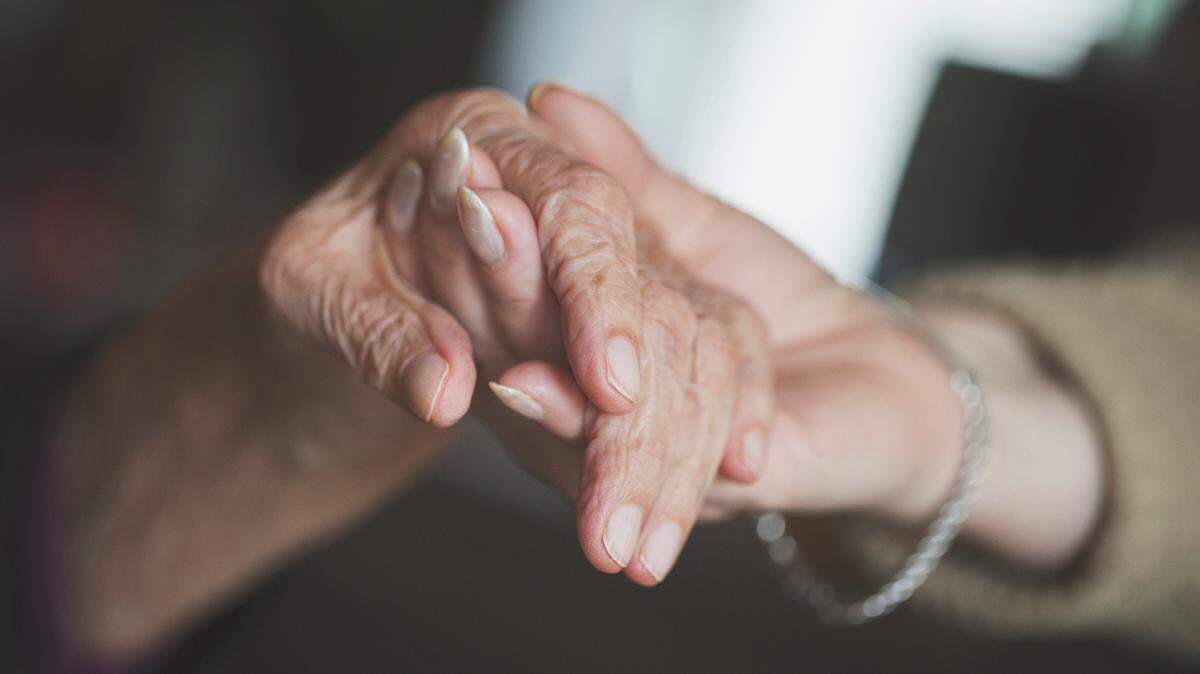
Earlier this year, Miami-Dade County was ranked as having the highest rate of Alzheimer’s disease in the United States among residents ages 65 and over — one out of every six adults. This disease impacts entire families. November is National Alzheimer’s Awareness Month, and it’s the right time to talk preventive action, quality treatment and caregiver support.
I have led Miami Jewish Health’s MIND Institute for almost 25 years. This issue is intensely personal. Every day I work with patients and their caregivers to help them optimize daily life in the face of Alzheimer’s disease. I see every facet of this disease and know our community can do more so people affected by it feel prepared, empowered and supported.
Most people don’t think about Alzheimer’s disease until they or a family member receives a diagnosis. Sitting back is not an option, not with incidence rates growing in Florida — up 14% between 2017 and 2021. For those worried about their own future, the good news is 40% of Alzheimer’s risk factors are manageable.
Living a brain-healthy lifestyle is key. Being physically active, eating nutritiously, not smoking, not drinking excessively and getting proper sleep all fight your risk of developing Alzheimer’s disease. There are other important but lesser-known risks that need to be addressed, such as hearing loss and social isolation. When early Alzheimer’s disease is suspected, there now are specialized neurocognitive tests, blood tests and brain scans that aid in accurate detection.
Affected patients and their families don’t have to accept an inevitable decline, either. Mild to moderate neurocognitive disease can be addressed with lifestyle coaching and cognitive treatment. For instance, Miami Jewish Health’s Meaningful MINDs program creates a customized plan focused on nine distinct factors to improve quality of life: attention, motivation, organization, communication, socialization, memory, visuospatial abilities, motor skills and emotional regulation. Additionally, anxiety, depression or other mental health issues must not be ignored. Psychological care and having the right mindset are vital.
Finally, we must recognize the many challenges that family caregivers face. Too often I hear from caregivers, “I never thought I would be a parent to my parent this young,” or “Looking after my mom is taking a toll on my job and family.” Caregivers need our emotional support, patience and empathy, as well as help with navigating a complex medical system.
Consider: The total lifetime cost of care for a patient with dementia is estimated at $412,936, with 70% of those costs borne by the family caregivers — either in unpaid caregiving or out-of-pocket expenses. This costly burden requires comprehensive solutions from support groups to public health resources to expanded employer benefits.
New developments in early detection and disease-modifying treatments are changing the landscape of Alzheimer’s disease for the better. It’s time we recognize the urgency of educating the community about these options and adopt more engaged and hopeful attitudes.
Ultimately, what we give to others living with this disease we get back in terms of richer and longer lives for ourselves and our loved ones.
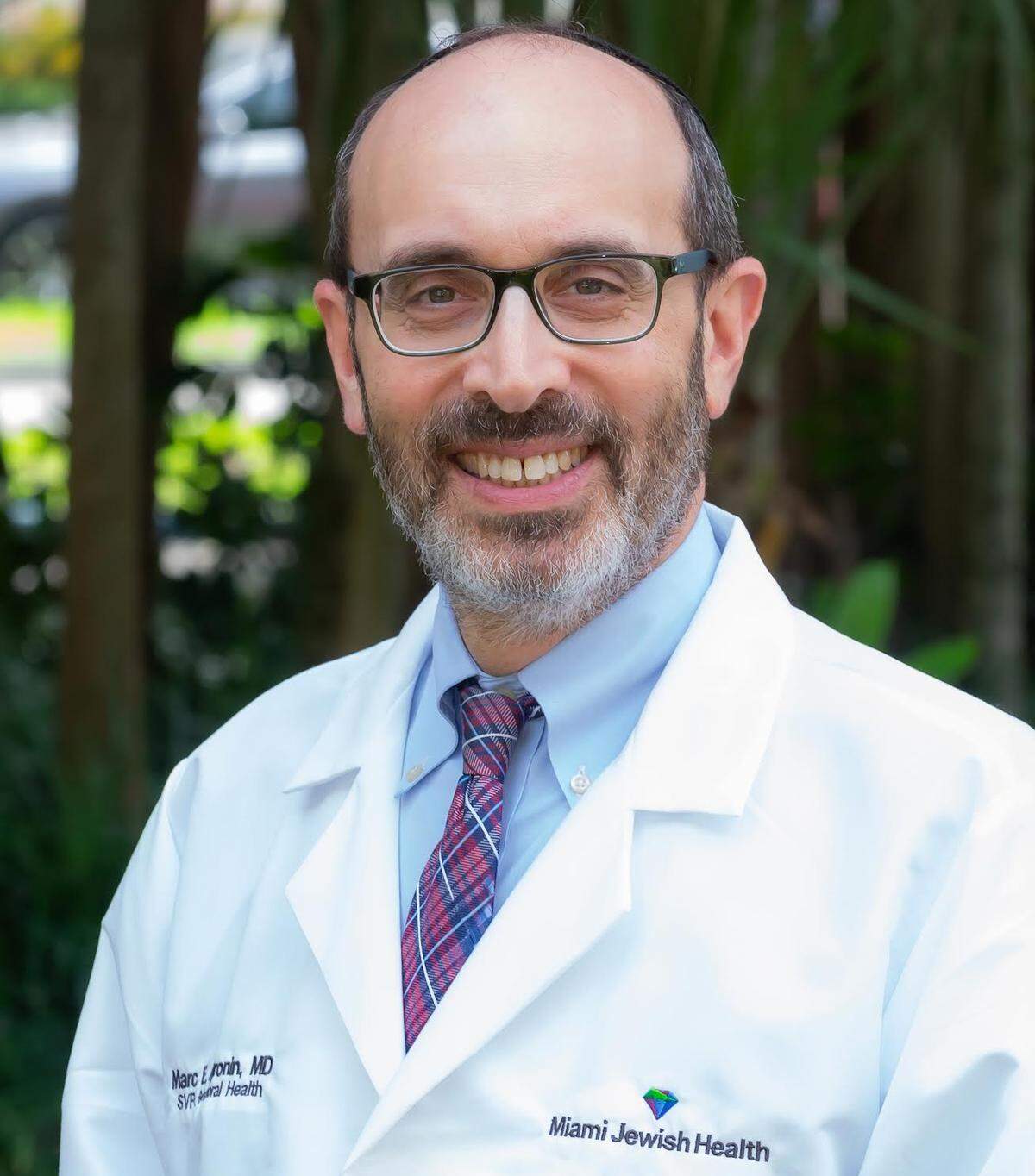
Dr. Marc Agronin is Chief Medical Officer for Miami Jewish Health’s Frank C. and Lynn Scaduto MIND Institute, and author of 10 books, including “How We Age: A Doctor’s Journey into the Heart of Growing Old” and “The End of Old Age: Living a Longer, More Purposeful Life.”