Proposed tax could stifle the boom in electric vehicles in Florida | Opinion
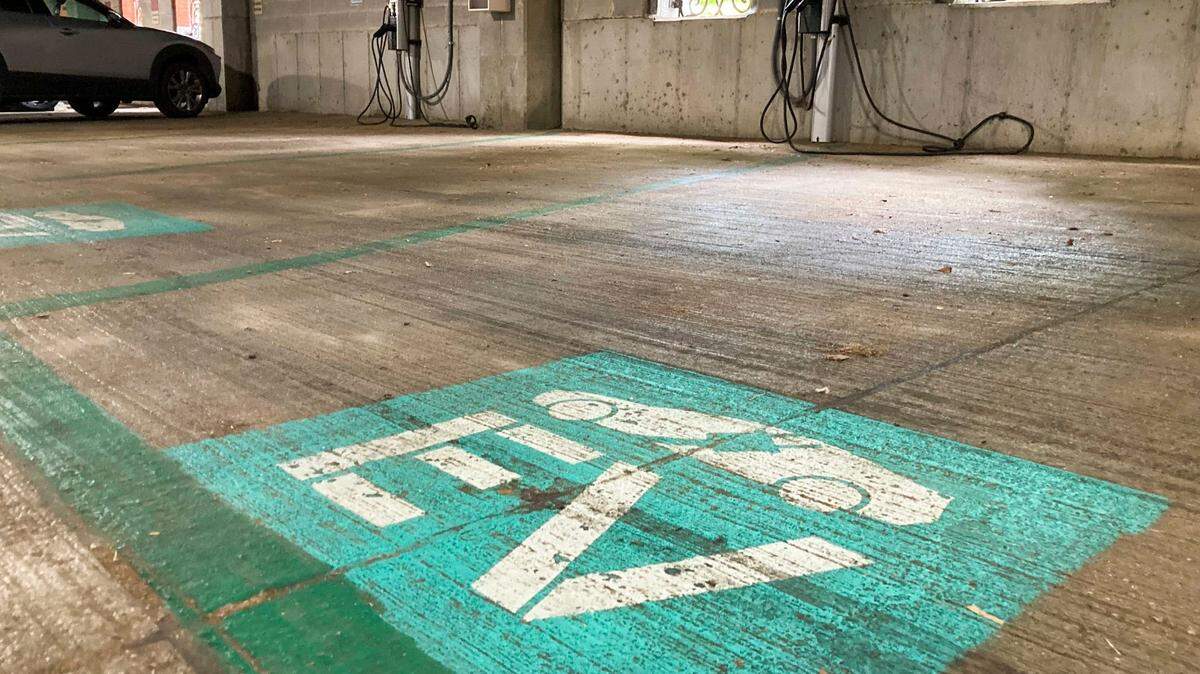
Electric vehicles are driving Florida’s economy forward, generating jobs for the state and substantial savings for individual drivers. From 2021 to 2022, Florida saw a 28% increase in jobs related to electric vehicles (EVs), which significantly reduce maintenance and fuel costs and offer potential savings estimated at $84.5 billion for Floridians by 2050.
Despite the far-reaching benefits of this consumer-driven expansion of EV ownership in Florida, a new tax is being proposed that threatens to undermine these advantages for Floridians. This proposal has wisely been defeated in the past but is now being brought up again and would end up imposing one of the highest EV taxes in the nation — even higher than California.
The bill’s sponsors assert that the new tax will ensure that EV owners pay their share for highway improvements currently paid through the gas tax. But the reality is that transportation funding is a complex and rapidly shifting policy area. Rather than approving a knee-jerk reaction policy that will negatively impact Floridians, state lawmakers should seek to develop a comprehensive and more balanced solution to funding the state’s transportation infrastructure.
There is also little evidence to support the need for such a tax currently. According to research from the state’s Office of Economic and Demographic Research, “Gas-powered vehicles currently on the road have a reasonable expectation to continue use for at least 10 to 15 years.” That means gas-powered cars will dominate our roadways for quite some time, and it will take years for EVs to meaningfully impact gas tax revenues.
An arbitrary fee that would ultimately charge EV owners $250 annually is counterproductive and counterintuitive. This fee is almost twice as much as what an average driver pays in taxes when refueling at the pump.
A recent University of South Florida study revealed that a fee comparable to what gas-powered car drivers pay would be between $125 and $150, far less than the amount proposed in the legislation. We need to base taxes on well-founded research and data instead of arbitrary figures to ensure that any measure is fair and doesn’t unintentionally hinder innovative options like EVs.
Lawmakers will have to address these questions in the future, but why have a tax higher than many other states when people already are struggling?
In the current economic climate with unpredictable gas prices, growing inflation and rising interest rates, the last thing anyone needs right now is a tax increase. That doesn’t mean we should completely rule out any kind of fee on EVs in the future, but any such fee should be reasonable and fair for everyone.
During Florida’s last legislative session, conservative leaders in the state House of Representatives were wise enough to not even consider the EV tax proposal. Hopefully, that smart decision will carry over to next year’s legislative session — protecting Floridians from this unnecessary and unfair tax.
EVs represent an exciting opportunity for Floridians but moving forward with a new tax now would stifle these innovative advancements at a time when they are just beginning to gain traction. Florida leaders should pump the brakes on an EV tax.
George Riley is Florida director of Conservatives for Clean Energy.
The Invading Sea