Let’s teach self-control to help prevent crime. Miami-Dade is among counties trying it | Opinion
Think back to the last time you were eating a bag of plantain chips. Did you eat just one or did you end up eating the whole bag? What about the last time you opened up a half gallon of ice cream – did you scoop some into a bowl or take a spoon to the whole carton?
These are decisions that we make on a routine basis. The options we choose have much to do with self-control and our ability and willingness to exercise it.
At its core, self-control is the ability to manage and moderate one’s impulses and to consider the longer-term implications of one’s actions. It is established largely through parental socialization, early in childhood, and can change and improve with age and with training and modification.
Self-control has been found to be strongly related to crime, victimization, health, wealth and other life outcomes. Importantly, self-control also can be a way to prevent crime.
Yet, when people and policymakers think about crime prevention, they tend to start with what the criminal justice system can do about it. We know that the police are part of a comprehensive response to crime prevention. But they are not the only one nor always the most effective one when it comes to improving public safety.
Efforts like cleaning and greening vacant lots, streetlight improvements and, in some cases, community violence intervention/interruption have also had some success. But, for my money, there may be no better way to prevent crime — and improve many other outcomes in life — than to build up the self-control of individuals.
In several studies I led, we found very strong evidence that early family/parent training programs focusing on teaching children self-control and better decision-making skills were effective in preventing antisocial and delinquent behavior. In another study I led reviewing self-control improvement programs, we found that such programs work to improve self-control and reduce delinquency. Bottom line: These programs can improve self-control and reduce antisocial behavior.
There are various examples of programs that work to help parents teach children effective emotional regulation, self-control and problem-solving skills. One promising, cost-effective program is Stop Now And Plan. SNAP works with parents and children to help kids learn to pause and think before they act, so they make better choices “in the moment” that help keep them in school and out of trouble. Research supporting SNAP — using randomized controlled trials and among different demographic groups — documented improvements in self-control and reductions in externalizing (antisocial) behavior.
These kinds of programs are getting attention from county and city leaders and government officials throughout the United States and abroad. In Miami-Dade County, Mayor Daniella Levine Cava’s Peace and Prosperity Plan secured a round of funding for SNAP. And the Florida Network of Youth and Family Services, which oversees a range of programming “in order to prevent juvenile delinquency and encourage good choices and healthy family relationships,” says SNAP operates in over a dozen counties, including Miami-Dade.
Cost-benefit analyses of SNAP and similar self-control programs strongly support the concept. Since saving a youth from a life of crime can save several million dollars in criminal justice and other costs, Mark Cohen — a Vanderbilt University professor who has studied these issues with me — and I concluded that it is much wiser to invest in people early in life rather than pay the price later.
The decision to invest in self-control programs, however, should not be motivated solely by money. It should be motivated by investing in people, as early as possible.
Some years ago, I wrote that we can be smarter on crime by being smarter on people. Focusing on self-control is one piece of an overall public safety strategy that compliments — but does not substitute for — policing. But the fact that self-control affects so many other things in life makes investing in it so simple. We must spend smartly now to gain the benefits later.
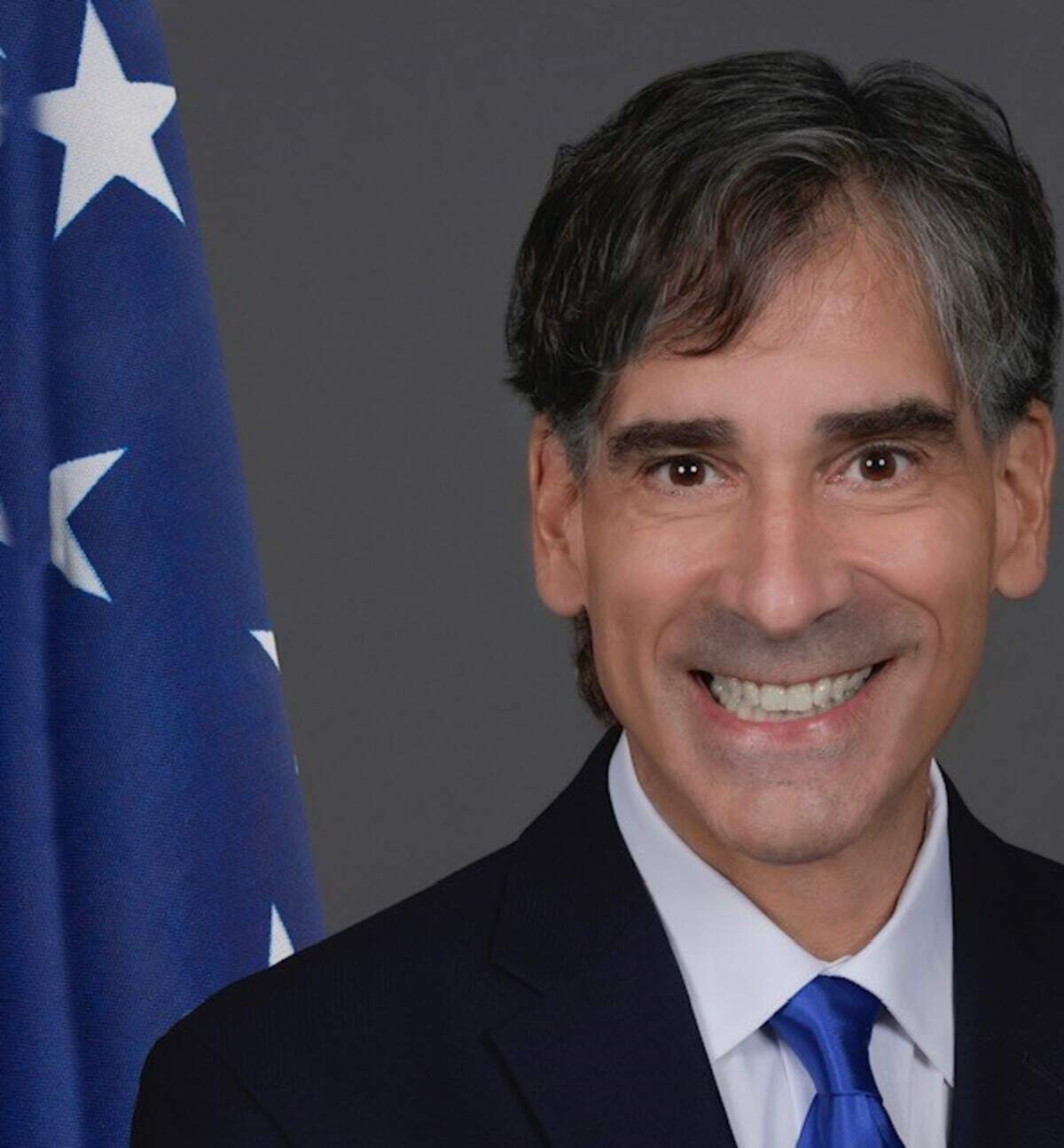
Alex R. Piquero is a professor in the Department of Sociology and Criminology, and Arts and Sciences Distinguished Scholar at the University of Miami. He previously served as director of the Bureau of Justice Statistics.