
Blocking JetBlue’s expansion will harm the US and Florida in Latin America | Opinion
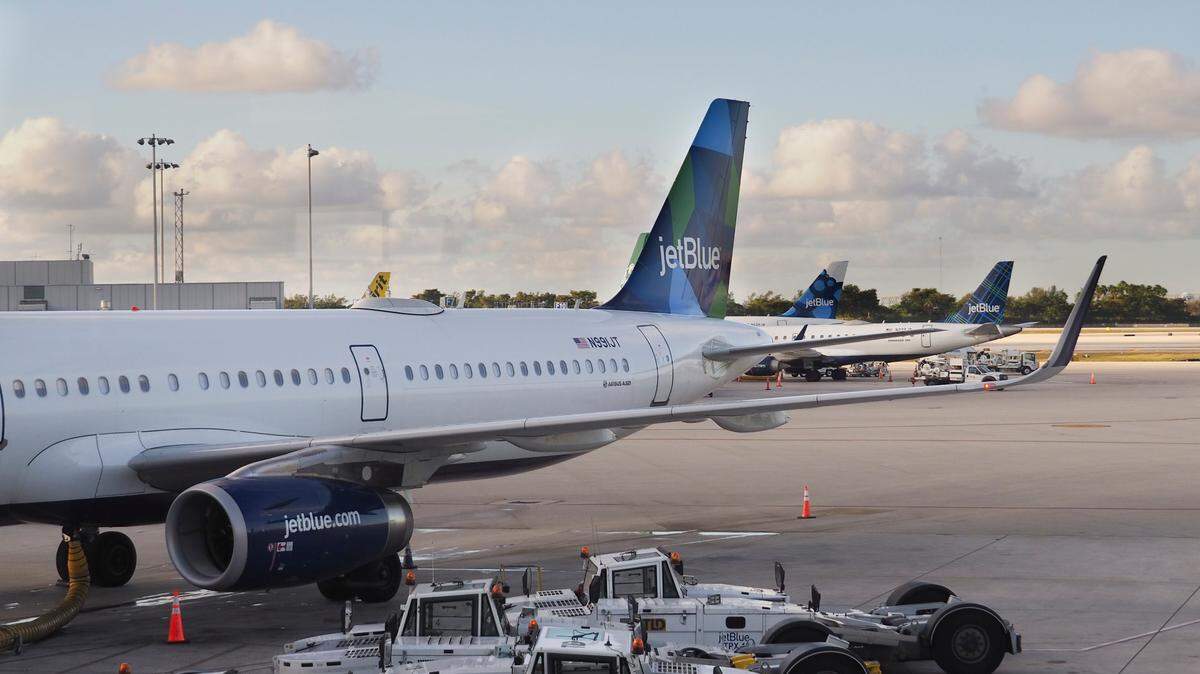
I was rather taken aback when the Biden administration intentionally made it more difficult for American air carries to compete in Latin America. We already face incredibly stiff competition from both regional carriers and those from Europe, Asia and the Middle East. Yet, the decision to block JetBlue’s acquisition of Spirit Airlines could represent a major setback to efforts to expand our presence in our own backyard. Here in Miami, the impact will be felt particularly acutely.
When I served as American ambassador to Jamaica and at embassies across the hemisphere, I saw first-hand how challenging it can be for our companies to fairly compete. Many of the other airlines enjoyed direct or substantial indirect support from their governments. They are not subject to the same rigorous rules and compliance conditions as our carriers here in the United States. There are also the substantial headwinds of our increasingly unpopular national brand in places like Bogota and Buenos Aires.
The U.S. Department of Justice will make an argument next month in court that Americans need ultra-low-cost carriers to help push down fares. Yet, at what cost? First, more bare bones options will not help our companies compete in the region. U.S. airlines’ comparative advantage is never going to be found on the basis of price. In fact, the two leading U.S. airlines in the Latin America market are American and United, not even the lower cost Spirit or JetBlue. Bigger operators have more planes and more crew members, as well as more resources to challenge the dominance of the powerhouses like LAN and Avianca.
JetBlue has shown a significant, sustained commitment to Latin America and the Caribbean. It represents their largest foreign market and they have said if the deal goes through, they plan to add even more flights to destinations around the region. Since they have already agreed to keep Spirit Airlines in Miramar, along with their existing routes, that also means a major boost to Florida’s economy. Unlike foreign carriers that carry their profits back to the home country, American airlines’ revenue show up here, in the form of more local suppliers, investments in infrastructure and, importantly, jobs.
It is notable that the deal also has the backing of three major labor unions, including those representing transport workers, pilots and flight crews. Their support comes because an expanded JetBlue will have fewer contract jobs and more permanent ones, along with higher pay and benefits. That’s something President Biden has said he wants for those building our automobiles. Why should those working in the air deserve any less?
This is not just about domestic appeal. It’s good news for our public diplomacy across the Americas, since our airlines crews are some of the country’s most valuable ambassadors. I know from personal experience as a diplomat that good service and good experiences traveling to the United States pay massive dividends in goodwill. The more flights we have south, the greater our influence will be in our own hemisphere. It is sorely needed at a time when we are having challenging discussions about immigration, security and democracy.
There is a very strong case for a stronger presence for our airlines in the Americas. I urge President Biden and his team to take a closer look at how blocking JetBlue’s growth could impact our country’s economic and diplomatic standing in the region. On the home front, doubling their size means a lot more decent travel options and jobs. Abroad it will send a clear message to foreign carriers that we have another strong competitor in the market. It will give us more leverage in negotiations with their governments. It will bring more tourists to our shores. Lastly, seen from my old ambassadorial role, having more American planes flying across the Southern Hemisphere will both symbolically and strategically strengthen our standing throughout Latin America.
Luis G. Moreno (ret.) is a former U.S. ambassador to Jamaica.
This story was originally published October 23, 2023 at 12:41 PM.