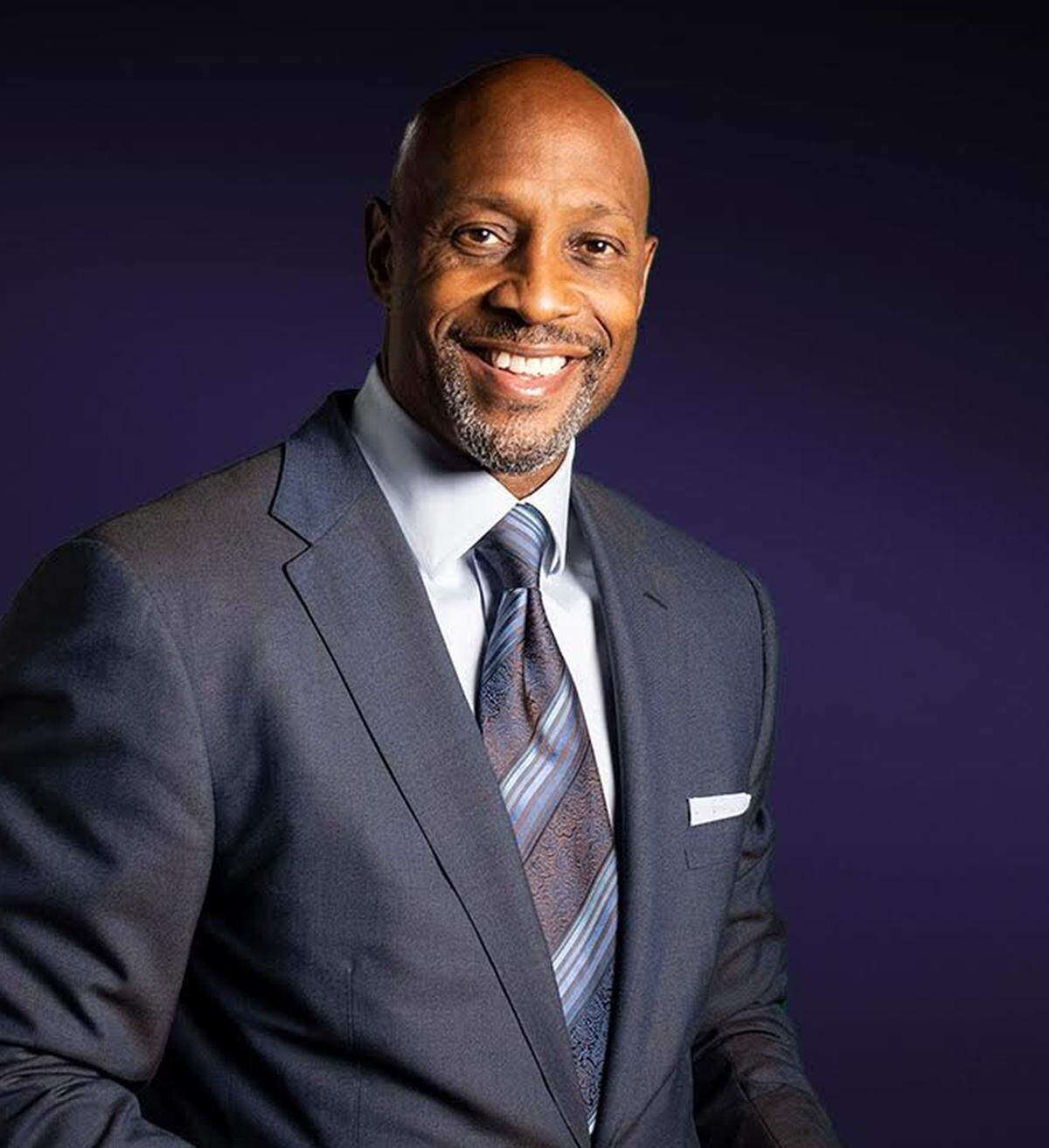
‘My kidney disease is genetic — yours might be, too. Don’t wait to find out | Opinion
Much of who we are is shaped by our genes, passed down to us from our biological relatives. Sometimes, that can be great; I started playing basketball because of what my friends kept telling me in the hallways at school — that I’m exceptionally tall — and the game became my whole life. That’s my genes working for me.
Other times, it felt like my genes were working against me. In the early 2000s, after a mandatory team exam, I learned that I had a rare form of kidney disease, and it took me out of the game. Years later, I learned that disease, known as focal segmental glomerulosclerosis (FSGS), was genetically driven, just like my height. My FSGS was caused by variations in a gene called APOL1, a gene all of us have that is present in many tissues, including in our kidneys. Over thousands of years, the APOL1 gene has evolved in people who have ancestors in sub-Saharan Africa, where this genetic variation originally served as protection from resistant forms of an infectious parasite that causes African sleeping sickness. As a result, some people, like me, with African ancestry, now carry these variants that may lead them to develop this genetically driven form of kidney disease.
This disease is now known as APOL1-mediated kidney disease, or AMKD, and my FSGS is one form that it can take. An estimated 13% of people in the United States who identify as Black or African American carry the two risk variants of the APOL1 gene and, therefore, are at much higher risk of developing kidney disease. I’m one of them and, statistically speaking, so do many who have African ancestry and/or identify as Black, African American, Afro-Caribbean, Latina or Latino. I encourage you to speak with your doctor about your family history of kidney disease. If you have already been diagnosed with kidney disease, ask your doctor if getting tested for these variants (a process known as “genotyping”) is the right next step.
When I first learned of my FSGS diagnosis in 2000, I was terrified, mostly because I knew nothing about this disease. I was also frustrated with myself for ignoring the symptoms. I had been run down, exhausted and had significant swelling in my legs and feet, but I chalked it up to my rigorous training and travel schedule. It was only because of the mandatory exam with our team doctor that I had it checked out, and I am grateful that I did.
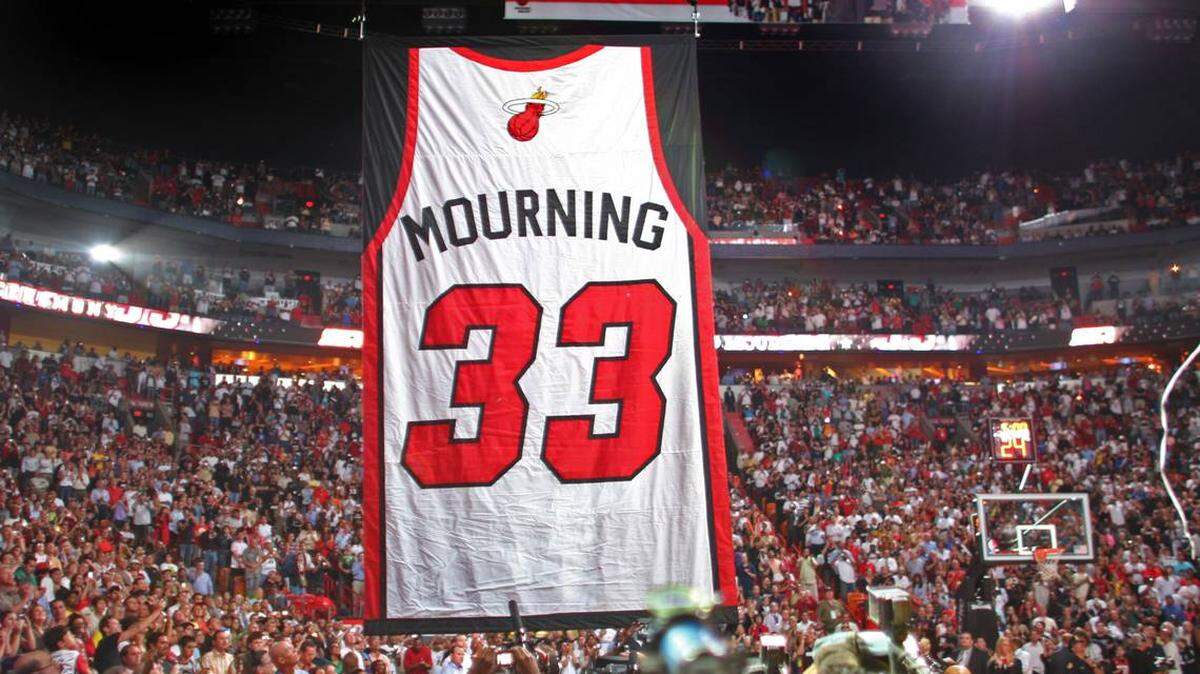
My case required a kidney transplant. Fortunately, my cousin Jason was a match and donated his kidney to me. I underwent a successful transplant in 2003 and, after recuperating, went on to help the Miami Heat win the NBA Championship in 2006. This December, I will celebrate 20 years post-transplant, and I am forever grateful to Jason and to my medical team.
Thirty-seven million Americans experience chronic kidney disease, and many others are at risk and don’t know it. Many of those are people of African ancestry, who are four to five times more likely to develop kidney failure than white Americans. Because of the rapidly progressive nature of the disease, AMKD often leads to kidney failure, requiring life-long dialysis, a kidney transplant or even death. When detected early, there’s a higher chance of being able to slow that progression, with the right care, and achieve a better outcome. This is a silent epidemic in our community, and addressing it can feel overwhelming, but we must act urgently. Increasing knowledge and taking control will benefit our community.
Inspired by my own experience with AMKD, and in partnership with Vertex Pharmaceuticals, I helped to launch a platform called www.PowerForwardTogether.com, where you can learn more about my journey and how to be proactive about your own kidney health. The first step is starting a conversation with a physician.
If you have African ancestry and/or a family history of kidney disease, speak to a doctor to understand your risk level and whether you should get genotyped for the APOL1 risk variants. The genotyping process is typically conducted through a blood test, saliva collection or cheek swab, and more resources are becoming available as the healthcare industry embraces the power of genetic testing, and the knowledge and empowerment it brings patients.
In fact, I contributed my genetic information to the landmark study in 2010 that revealed the genetic origins of AMKD; without it I would never have known the cause of my disease. Learning that has been empowering, and now I have an opportunity to share what I’ve learned — with others in the Black and Latino/Latina communities; with fellow athletes; and of course, with people living in Miami, my longtime adopted hometown and, indisputably, my favorite city in the world.
Being proactive about your health, and understanding what’s in your genes, can change everything.
Alonzo Mourning is a basketball Hall of Famer and kidney health advocate. He is a paid spokesperson for Vertex Pharmaceuticals.