Miami-Dade confronts challenge to ensure Black residents share in economic growth | Opinion
There is something special about Miami-Dade County. The promise this county delivers attracts millions of people from across the globe to our shores to build their version of the American Dream. Every resident deserves access to this world-renowned quality of life.
The Miami-Dade Economic Advocacy Trust (MDEAT) has an obligation to advocate for policies that ensure residents in the county’s Targeted Urban Areas (TUAs) have access to that promise.
MDEAT takes a non-traditional look at a traditional problem. The agency has taken a monumental step and is poised to release its 2023 Disparity Study, which examines the socio-economic conditions of Black residents every 10 years. It explores crucial areas, including housing, employment, education, and the overall quality of life for our Black community members.
This comprehensive 10-year study is a vital companion to the ongoing efforts of the county’s Small Business Development (SBD) Division, which focuses primarily on procurement practices. While the SBD’s efforts target specific aspects of economic development, MDEAT’s study takes a holistic approach. Employing qualitative and quantitative methodologies, we meticulously analyzed various neighborhoods within the county, mainly where large Black populations reside. TUAs encompass a spectrum, ranging from struggling communities to thriving middle-class neighborhoods.
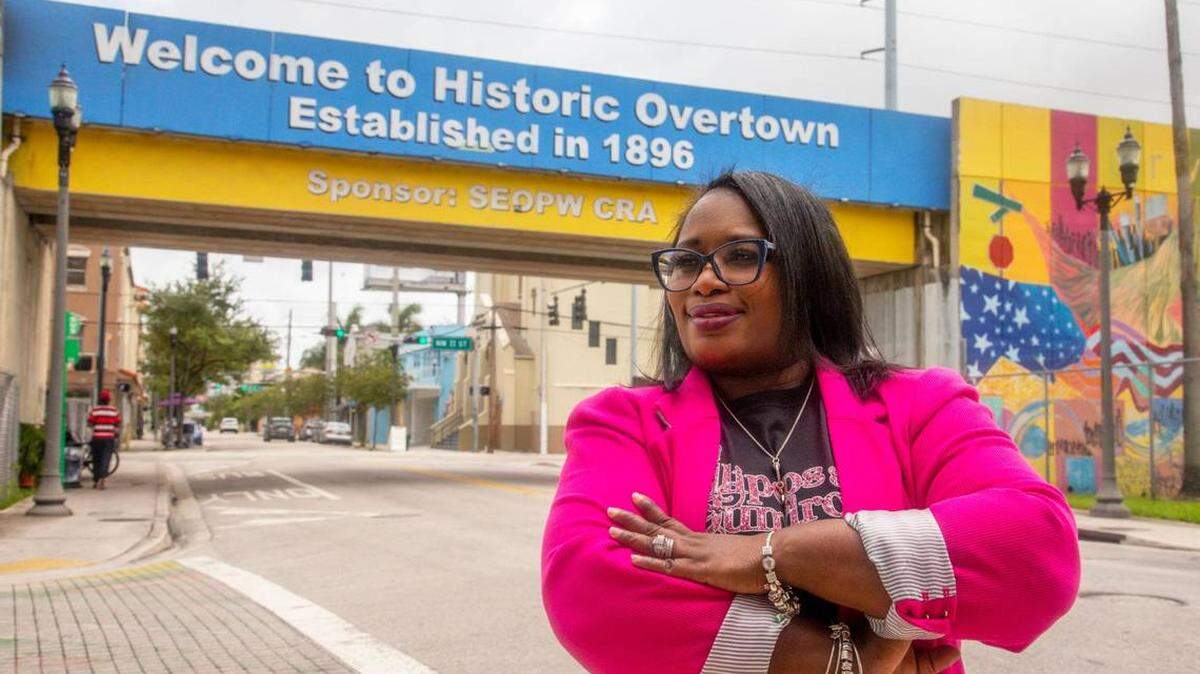
One alarming and destabilizing trend the study uncovered is rapid gentrification in historically Black neighborhoods. The consequences are dire, with rising crime rates, declining school enrollment and reduced access to essential services — all indicators of a struggling neighborhood. Furthermore, the flight of jobs and the erosion of residents’ safety have become evident, particularly in areas like Coconut Grove, Overtown and Liberty City.
Our commitment to an inclusive approach led us to conduct listening tours, engage focus groups and consult community leaders. We involved Miami-Dade County commissioners in shaping policies that will influence the future of our county and its cities for years to come. Our listening tours included hundreds of residents and intimate sessions with small groups of five to 10 people. This ensured that we did more than just crunch numbers; we genuinely listened to the voices of community members right up to our final listening session at Gwen Cherry Park Gymnasium, with attendees from Homestead to Miami Gardens.
The 2023 Disparity Study marks the beginning of Phases 3 and 4 of MDEAT’s evolution as an organization. We are now equipped with a wealth of data, a powerful tool to inform our strategic direction. MDEAT operates under three county-mandated program directives: economic development, housing and youth services. With the guidance of these directives and dedicated action committees, we will pave a path forward to stimulate Black Miami-Dade County economically.
Our journey has just begun, and we are steadfast in our commitment to engaging the entire community, from the most marginalized to the most empowered. In Miami’s vibrant melting pot, we can achieve true inclusion. We can serve as a beacon for the entire nation. Miami breathes the essence of the African Diaspora, and MDEAT is deeply committed to crafting a brighter future for all residents.
We thank Miami-Dade County Mayor Daniella Levine Cava, the Miami-Dade County Board of County Commissioners, the Miami-Dade Economic Advocacy Trust board of trustees, and our community for their unwavering support of this crucial work and study.
We will create the equitable, prosperous and inclusive Miami-Dade County we deserve.
Bill Diggs is the executive director of the Miami-Dade Economic Advocacy Trust.