Disband the HEAT. It has a harmful impact on Miami’s homeless population | Opinion
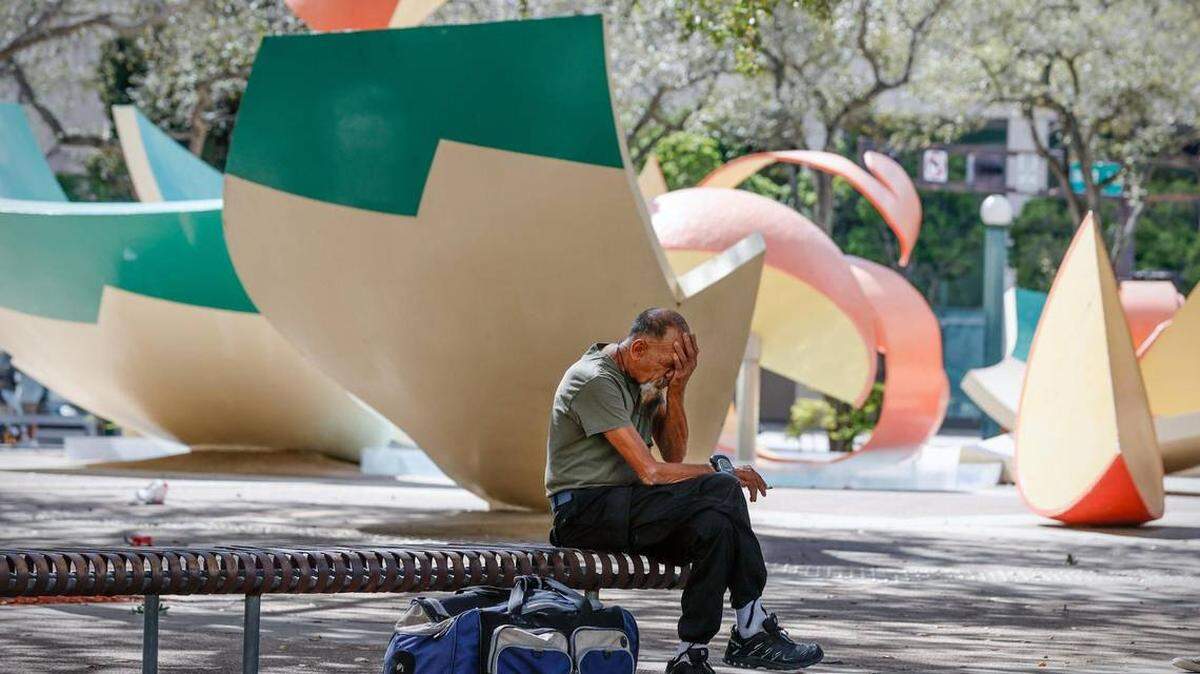
The HEAT is causing harm to Miami’s homeless.
We’re not referring to Miami’s professional basketball team or the summer’s high temperatures affecting Miami’s unsheltered homeless.
Our focus is on the Miami Police Department’s “Homeless Empowerment Assistance Team,” also known as the police HEAT unit. Armed with deadly force, this unit leads a team of city street cleaners who conduct daily sweeps of homeless encampments in Miami. These sweeps routinely displace the homeless, confiscate their belongings and scatter them without regard for a person’s dignity or humanity.
Recent groundbreaking research published in the Journal of the American Medical Association (JAMA) confirms the negative consequences of these sweeps. According to the study, these actions lead to increased hospitalizations, drug overdoses and early deaths among the homeless population.
We come to this issue as a physician and as a lawyer and homeless advocate, bringing two decades of combined experience. The JAMA study supports what we’ve witnessed: Homeless encampment sweeps, led locally by the Miami Police HEAT unit, have dire health implications for those forced to sleep on the city’s streets.
These sweeps constitute a form of violence against the homeless.
Our firsthand experiences have revealed distressing incidents where people were physically removed from their tents with force. City workers discarded a woman’s deceased mother’s ashes. Wheelchairs, walkers and canes were hauled away. In a world already challenging for the disabled and unhoused, losing these essential possessions is unjustifiable.
Miami is facing a lawsuit from four unhoused individuals, alleging the city violated their constitutional rights by unlawfully seizing and destroying their belongings.
Beyond civil-rights violations, the health of the unsheltered is also compromised by these sweeps.
We have directly seen medical emergencies triggered by these actions, such as a woman losing her blood-pressure medication, endangering her kidneys; an elderly man falling after his walker was taken; and a man losing medication, facing sepsis and potential amputation of an infected leg.
The JAMA study further solidifies these observations. It models the effects of involuntary displacements on unsheltered populations in 23 U.S. cities, projecting increased stress and self-medication among those who inject drugs. These factors lead to more overdoses, hospitalizations and deaths.
The harm isn’t limited to drug-related cases. Encampment sweeps sever ties between unhoused individuals and essential service providers, exacerbating their health challenges. Unhoused people’s life expectancy already is 12 years below the national average.
The study estimates a 151% increase in overdose deaths; an 11% drop in life expectancy; a 50% rise in hospitalizations; a 6% increase in injection-related infection deaths; and a 38% decrease in medication for opiate use disorder due to continued sweeps.
In Miami alone, nearly 70 people could die prematurely from encampment sweeps over a 10-year span.
The study’s scientific evidence calls for informed public policy to address the harms of homeless encampment sweeps.
To halt this harm, action is needed:
First, it’s vital to urge the Miami City Commission to disband the HEAT unit. At a monthly cost of $70,000, funding a police unit causing community harm is fiscally irresponsible. Policing should focus on criminal justice, not housing and healthcare.
Second, public education is essential to tackle the root causes of homelessness, tied to poverty and systemic failures in healthcare and housing. Racism also plays a role, with 60% of Miami’s homeless population being Black, compared to 18% in the county.
Blaming victims of poverty is counterproductive; instead, reforming the capitalist system that breeds poverty and homelessness is key.
Above all, dispelling the misconception that people choose homelessness due to “irresponsible actions” is critical. Homelessness arises from a lack of choices, not personal decisions.
Housing and policies are intertwined with health. The community must work to improve health and prevent the HEAT from harming homeless individuals.
David Peery, J.D., is founder and executive director of the Miami Coalition to Advance Racial Equity. He is a co-author of the JAMA study on police sweeps and homelessness. Sabrina Hennecke is an MCARE board member and emergency-room physician, currently enrolled in a residency program at Emory University Medical School in Atlanta, Georgia.